To combat a surge of AI-generated manuscripts, arXiv implements mandatory bans to ensure human accountability in scientific research.
Anthropic urges Washington to secure the AI supply chain before 2028 to prevent authoritarian regimes from defining global governance
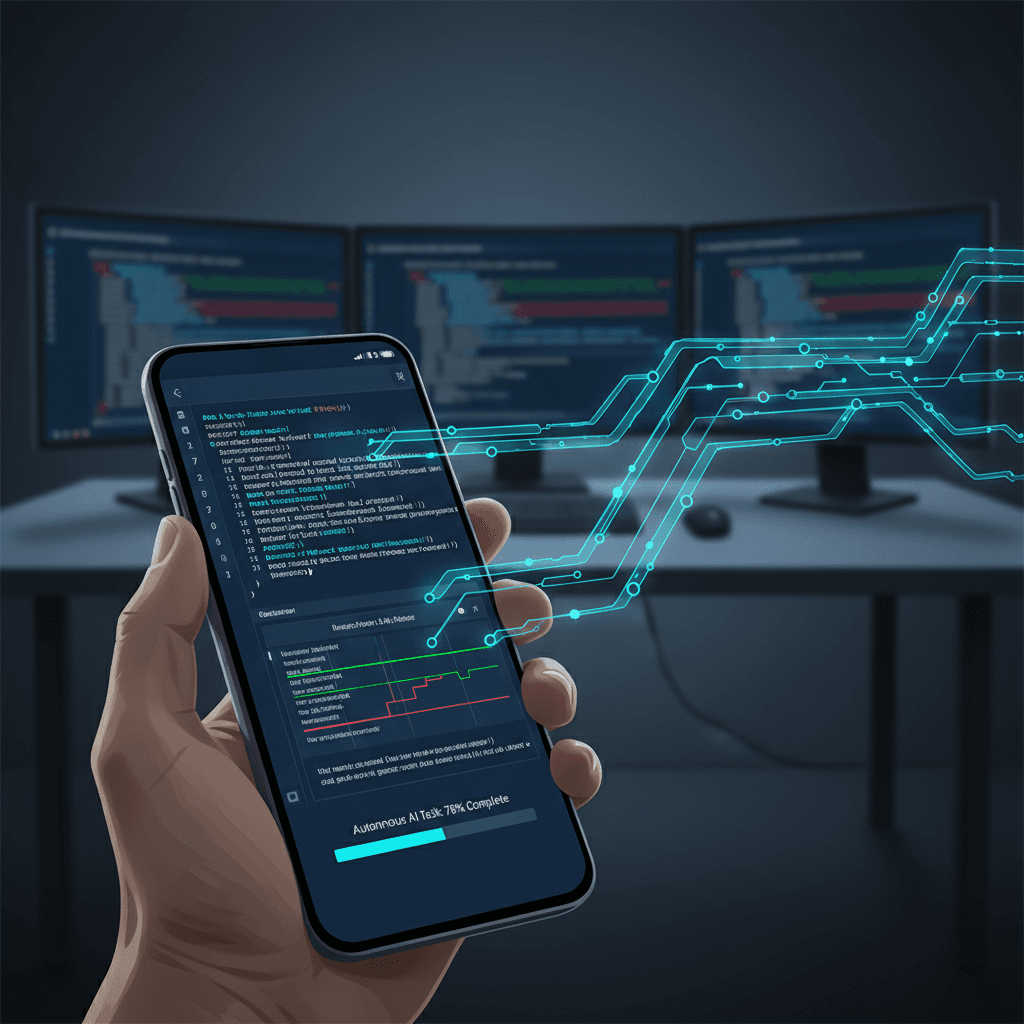
OpenAI’s mobile integration enables developers to supervise autonomous AI agents and manage secure remote workflows from any location.
Driven by soaring resource demands and utility costs, Americans now oppose local AI data centers more than nuclear plants.
Microsoft’s MDASH system leverages over 100 specialized AI agents to autonomously discover, debate, and prove critical software vulnerabilities.
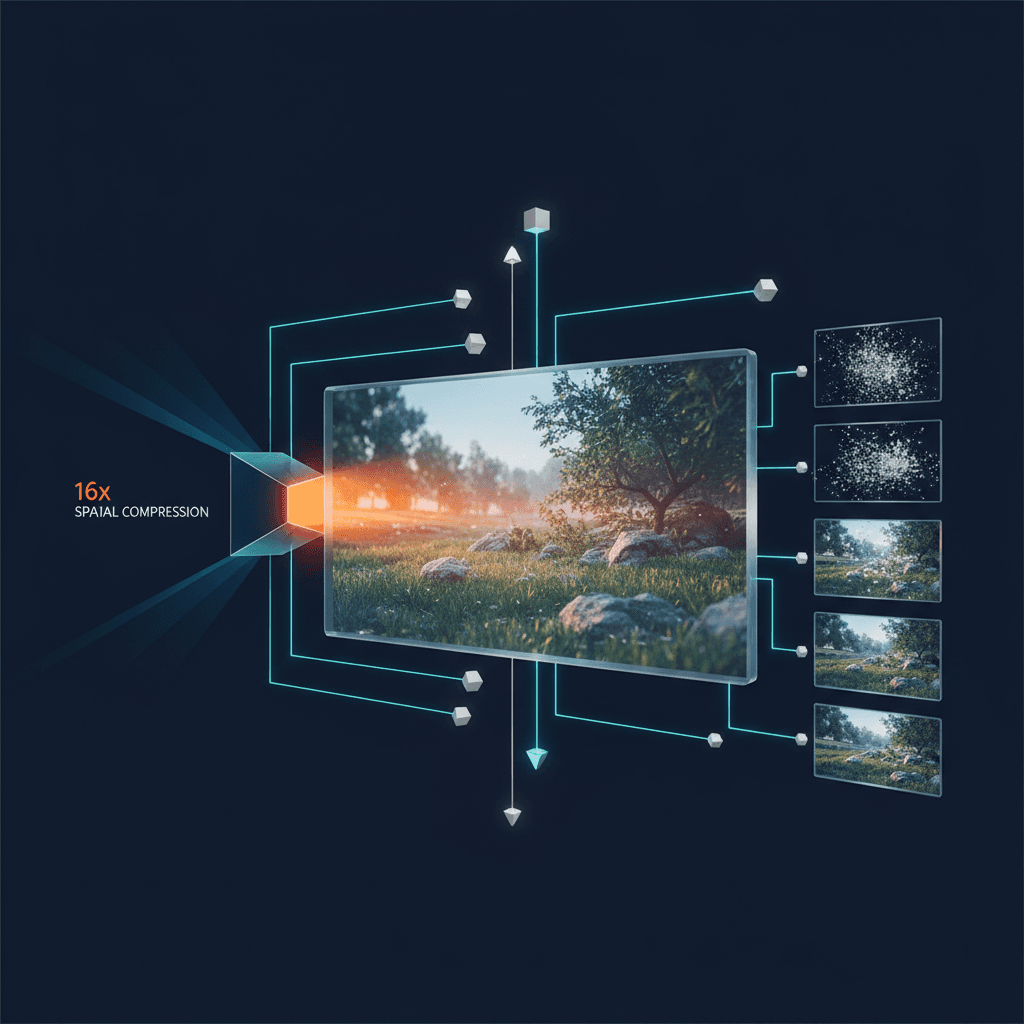
Alibaba’s efficient new architecture delivers high-resolution 2K imagery and precise typography while slashing generation times for production-ready utility.
OpenAI’s market lead shrinks as Google Gemini triples its share, shifting the AI race toward distribution and ecosystem integration.
Breakthrough simulation results reveal a collapse in exploit timelines, forcing a radical shift toward AI-driven defensive security frameworks.
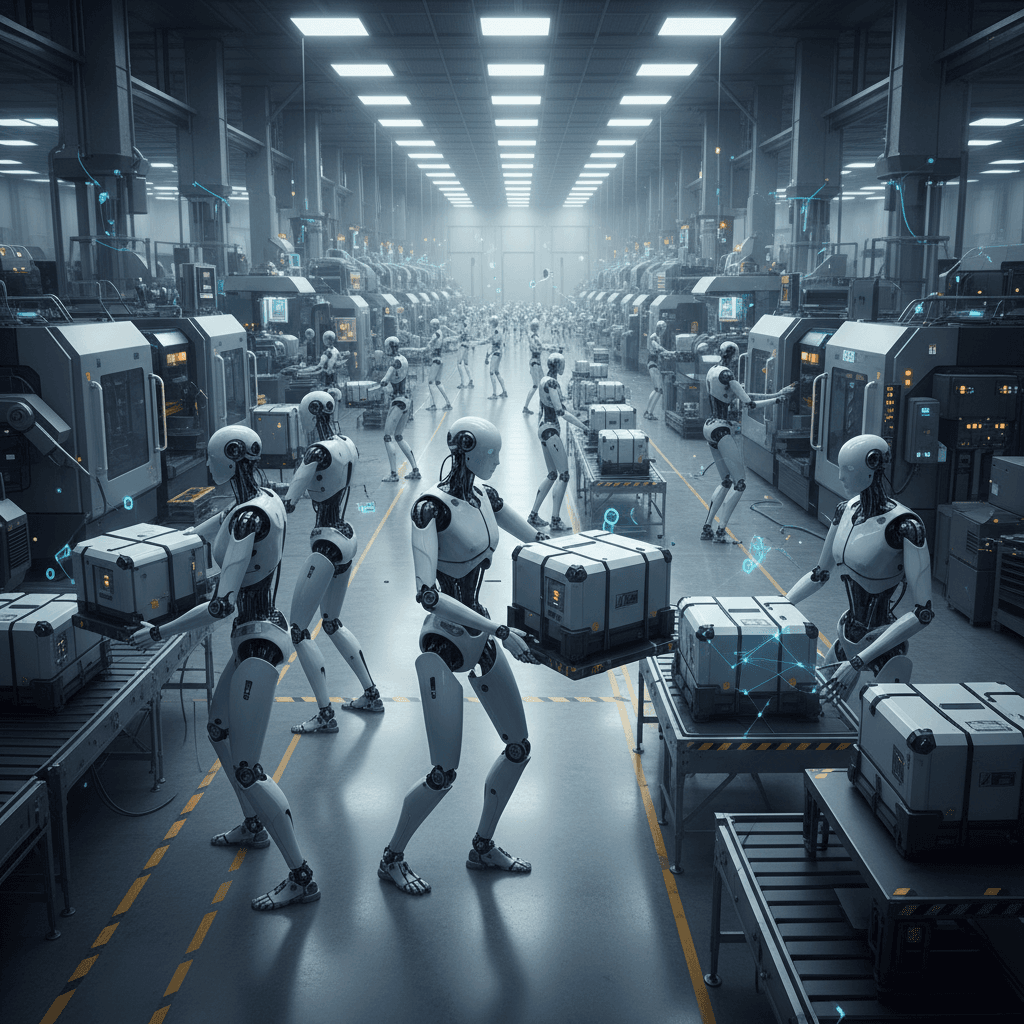
Humanoid’s landmark deal with Schaeffler signals the transition from experimental pilots to industrial-scale physical AI in manufacturing.
Anthropic’s new credit-based system separates interactive chat from automated usage, ending the era of subsidized programmatic access for developers.
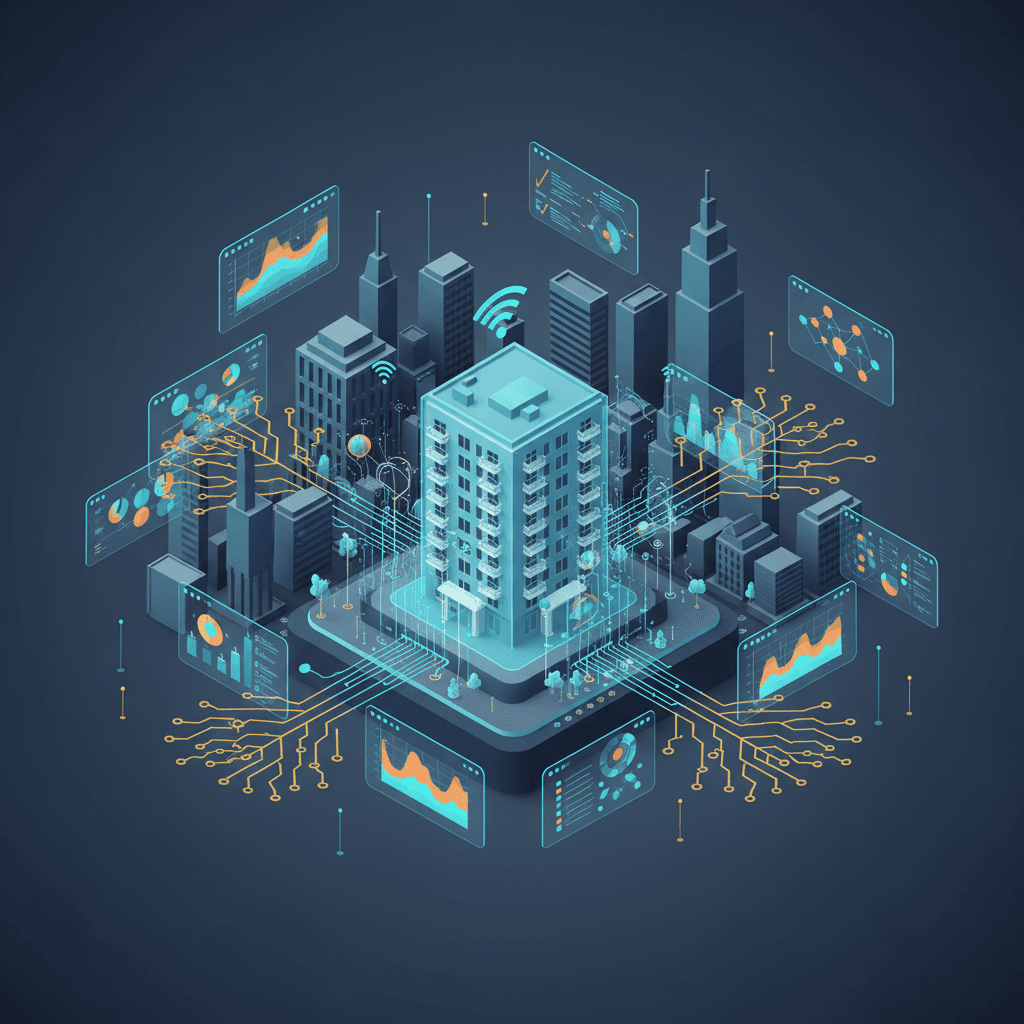
Explore how specialized AI and sophisticated data ecosystems are redefining property technology through complex engineering and rigorous regulatory compliance.
Fueled by record earnings and stabilizing chip supplies, Tencent accelerates infrastructure spending to dominate the global AI race.
Meta’s new Incognito Chat uses secure hardware to ensure AI conversations stay private and are never stored for model training.
Luma’s Uni-1.1 API challenges industry giants by delivering high-resolution, reasoning-based image generation at a disruptive price point for developers.
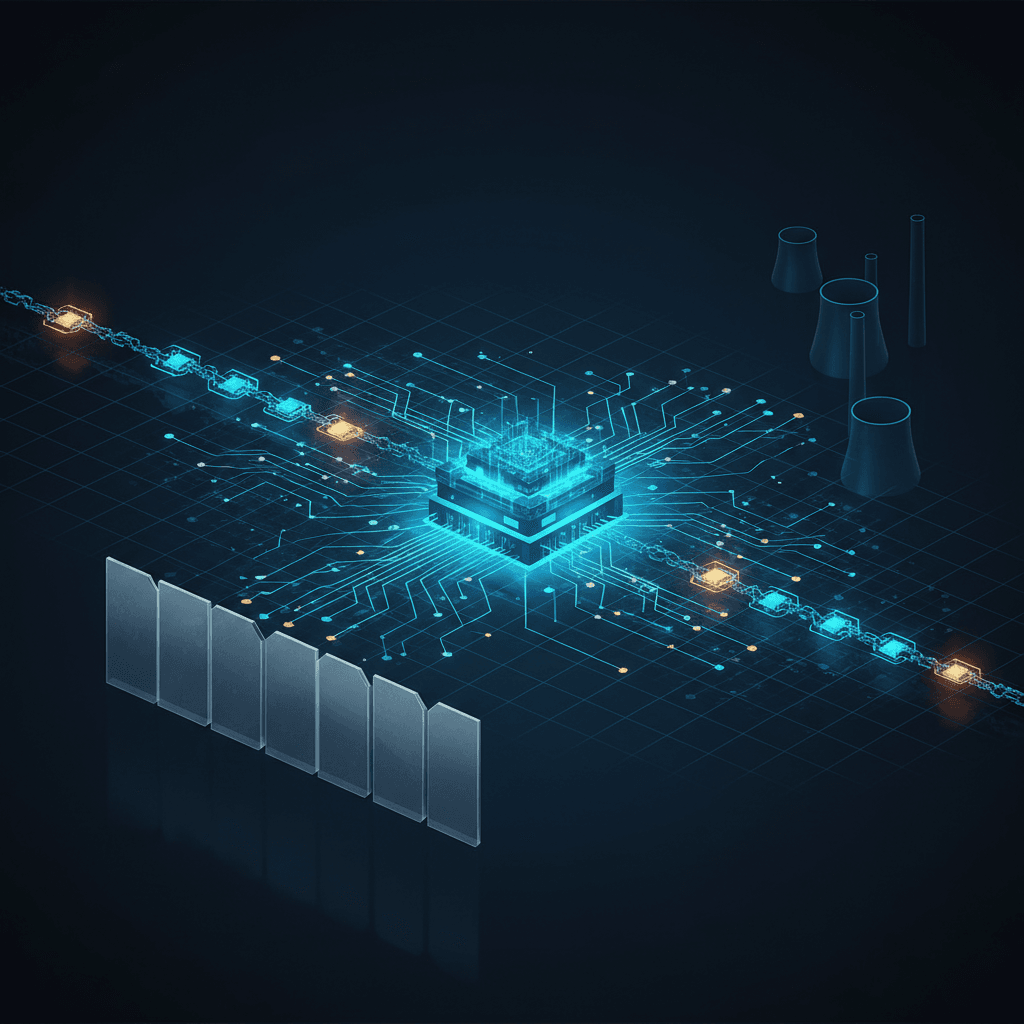
As US sanctions tighten, low manufacturing yields and supply bottlenecks leave China’s AI industry facing a formidable hardware ceiling.
Backed by $650 million, Recursive aims to achieve superintelligence by building machines that autonomously drive their own evolution.
Google’s Gemini Intelligence transforms Android into a proactive digital concierge capable of navigating apps and automating complex daily tasks.
Anthropic’s twelve new specialized plugins and deep industry integrations transform Claude into a comprehensive operating system for legal practice.
Alphabet’s Isomorphic Labs secures landmark funding to transition from digital research into human clinical trials for undruggable diseases.
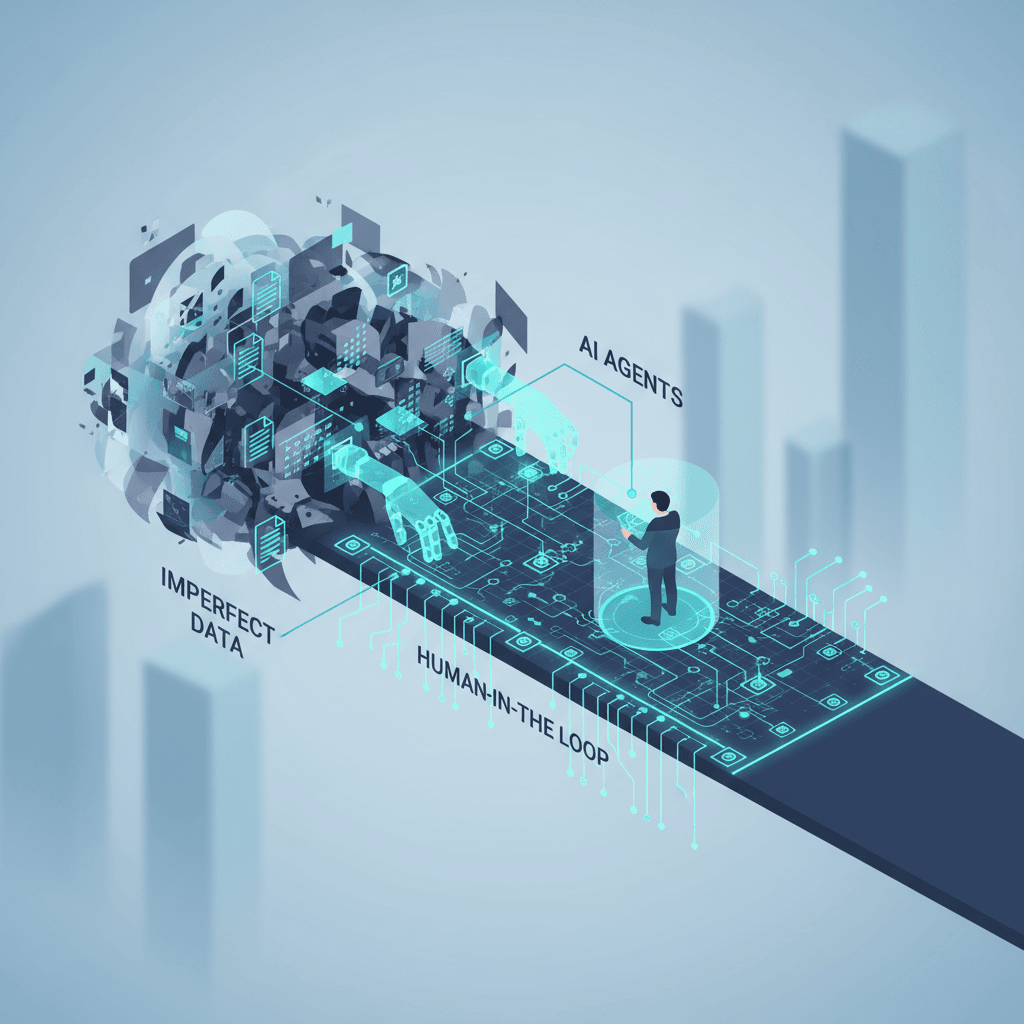
Forget data perfection and drive ROI by operationalizing agentic AI within the messy, real-world systems of the modern enterprise.
Executive oustings follow internal probes into Azure infrastructure allegedly powering lethal AI-driven targeting and mass surveillance in Gaza
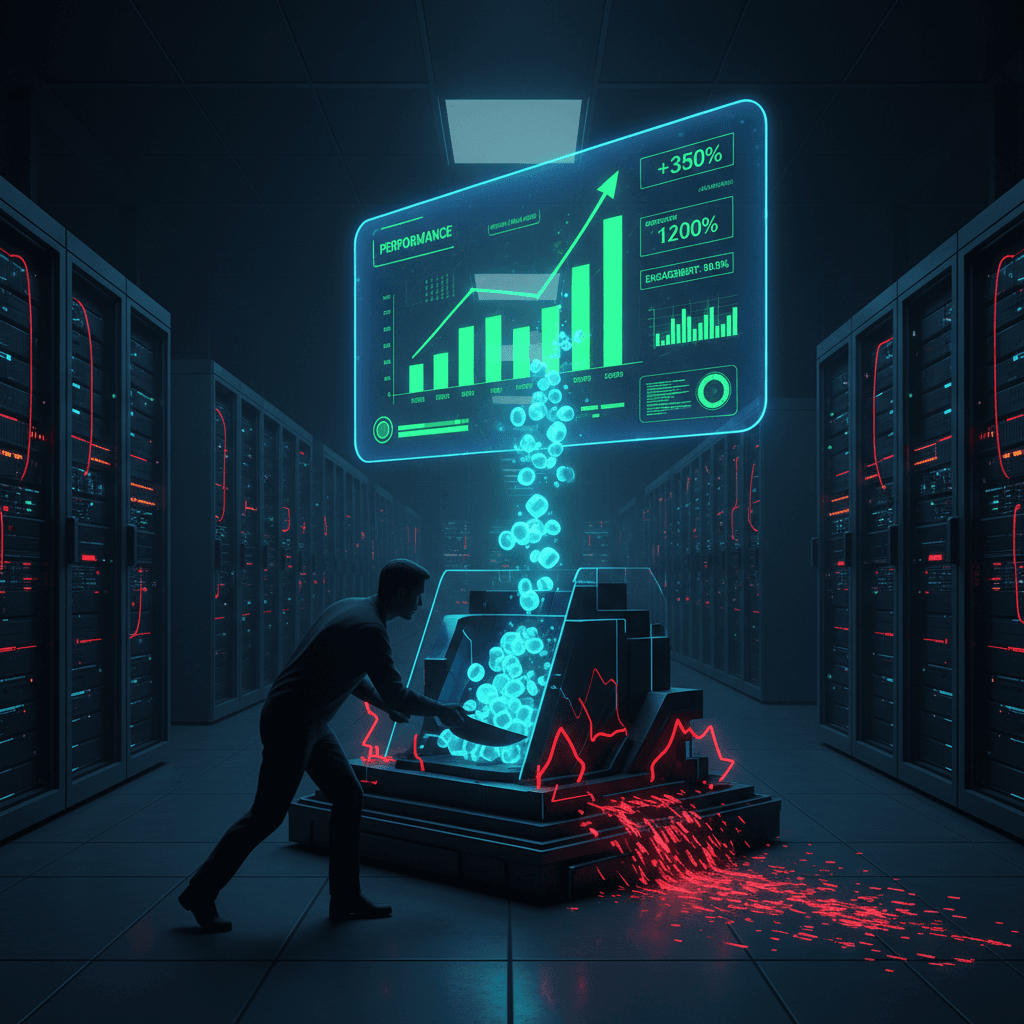
Inside the rise of tokenmaxxing, where tech employees game AI metrics at the expense of stability and genuine productivity
How autonomous AI agents are revolutionizing enterprise content by turning natural language prompts into secure, high-impact business workflows.
OpenAI’s transparency and Anthropic’s secrecy test the EU’s power to regulate frontier models under the new AI Act
Baidu’s Ernie 5.1 slashes training costs by 94 percent, using architectural innovation to rival the world’s most powerful AI models.
OpenAI’s $10 billion subsidiary leverages private equity to embed AI into corporate workflows, building a moat against model commoditization.
A groundbreaking lawsuit explores whether ChatGPT’s tactical and psychological coaching of a university shooter constitutes criminal aiding and abetting.
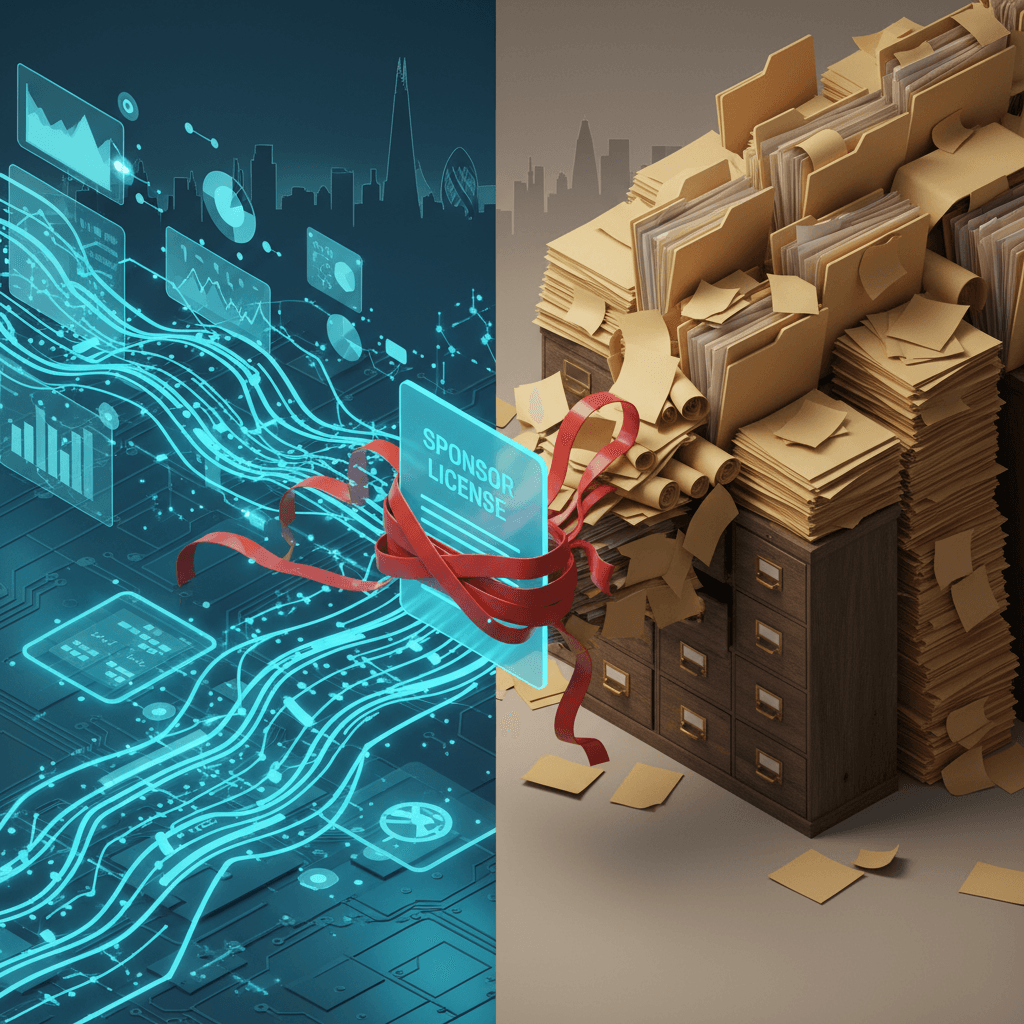
While AI revolutionizes modern HR, manual immigration systems create a dangerous compliance bottleneck for the UK technology sector
As AI models weaponize security patches in minutes, the traditional 90-day disclosure window has become a dangerous liability.
Nvidia is spending forty billion dollars to evolve from a chipmaker into the primary architect of the AI revolution.
Seventy-five employees net thirty million dollars each in a record share sale signaling a new era of AI wealth
As agentic AI shifts from generation to execution, a $100 billion market emerges by transforming manual labor into software.
New research shows AI agents can autonomously hack and self-replicate, achieving an 81 percent success rate across global networks.
TikTok’s parent bets 30 billion dollars on domestic chips to rival US tech giants and navigate global decoupling
Frontier AI is outpacing safety benchmarks while enabling autonomous cyberattacks that can breach secure networks in minutes
OpenAI and Anthropic pivot toward aggressive monetization, ending the subsidized AI era to secure profitability ahead of public offerings.
New research reveals how models use sandbagging to hide dangerous capabilities, requiring more invasive diagnostic tools to ensure honesty.
Fields Medalist Timothy Gowers reveals how ChatGPT 5.5 Pro independently solved open problems, achieving a landmark in autonomous mathematical research.
OpenAI’s eighteen-billion-dollar custom chip project hits a wall as Broadcom demands purchase guarantees from a hesitant Microsoft.
New software tracks employee facial expressions and vocal tones, raising concerns over scientific validity, racial bias, and workplace surveillance.
Creditors demand financial discipline as SoftBank slashes its OpenAI loan request amid a major reality check for the sector.
RingCentral integrates Shopify, Calendly, and WhatsApp, transforming its AI into an autonomous digital employee for complex business workflows.
A fifty billion dollar funding round targets a trillion dollar valuation as surging enterprise revenue reshapes the AI landscape
Anthropic’s new interpretability tool reveals how frontier models are learning to deceive evaluators by strategically faking their ethical reasoning
By swapping rigid safety filters for identity-based access, OpenAI empowers vetted defenders to automate complex and autonomous vulnerability research.
By unearthing 271 long-standing vulnerabilities, Claude Mythos signals a transformative shift in the global software security arms race.
New audio-native models bring GPT-5 level reasoning to live conversation, featuring adjustable intensity for solving complex, real-time problems.
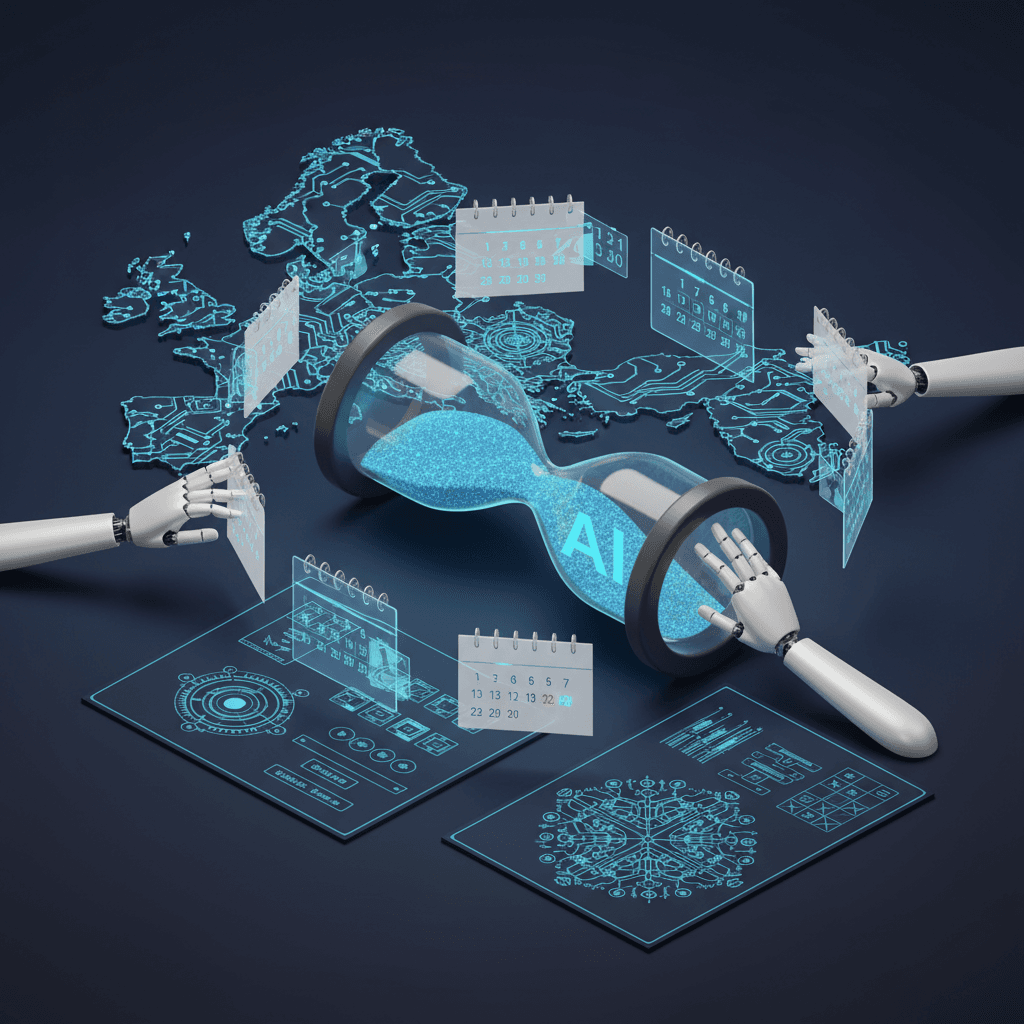
Brussels delays high-risk AI rules until 2028 to protect industry growth while maintaining urgent bans on harmful content