
Autonomous GPT-5.3-Codex Launches, Fueling Massive OpenAI Growth Surge
Flagship platform hits double-digit growth, driven by a self-improving agent that escalates the complex white-collar AI race.
February 9, 2026
The artificial intelligence landscape is witnessing a renewed surge in momentum for its first global sensation, OpenAI's ChatGPT, which the company reports is experiencing a major rebound in user engagement. In an internal communication to employees, CEO Sam Altman confirmed that ChatGPT has returned to double-digit monthly growth, a critical metric that signals the platform is continuing its expansion despite intense competition from major industry rivals. The statement underscores OpenAI's ability to maintain high user acquisition rates and engagement, positioning the company strongly as it pushes the boundaries of its large language models with new releases. The conversational AI system, which boasts an estimated 800 million weekly active users, is demonstrating significant market resilience as it converts its immense user base into sustained, accelerating growth.[1][2][3]
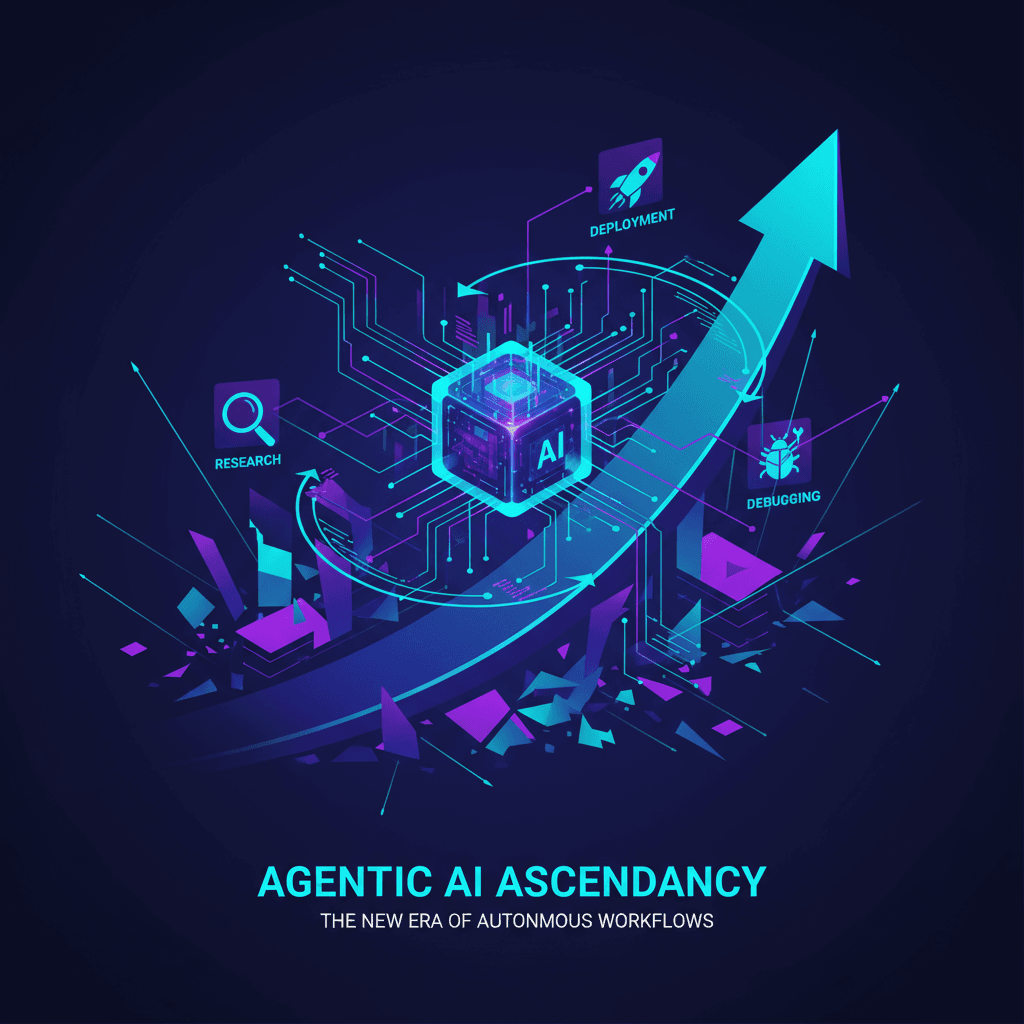
This growth recovery coincides with a massive acceleration in the company's developer-facing products, most notably its AI coding tool, Codex. The CEO’s report highlighted that the Codex product saw a significant 50 percent increase in usage just in the last week, a spike linked to the recent launch of a new, highly capable model: GPT-5.3-Codex.[4][1][2][3] This model, which was released days prior to the growth announcement, represents a major leap forward, not just for its enhanced speed—reported to be 25 percent faster than its predecessor—but also for its advanced agentic capabilities that extend its functionality far beyond simple code generation.[5][6] GPT-5.3-Codex is designed to handle full software development workflows, allowing it to research requirements, manage codebases, and deploy changes, effectively transforming the tool from a coding assistant into an autonomous software engineering agent.[5] Furthermore, the company proudly announced that early versions of GPT-5.3-Codex were instrumental in their own development, helping to debug training runs and manage deployment, marking it as the first OpenAI model to accelerate its own creation.[7][6][8]
The introduction of GPT-5.3-Codex and the subsequent growth in its usage has intensified the "coding agent wars" that have recently defined a key battleground in the AI industry. The model's release was timed within minutes of a major launch from rival Anthropic, which introduced its Claude Opus 4.6 model, also aimed at redefining software development.[7][6] OpenAI claims its new Codex model now leads key benchmarks like SWE-Bench Pro and Terminal-Bench 2.0, which evaluate real-world software engineering and terminal operation skills.[5][9] This fierce, simultaneous competition underscores the industry’s shift toward developing highly capable, autonomous AI agents for complex white-collar tasks, moving beyond the initial era of simple chatbots. The race is now less about raw model size and more about specialized, practical execution, with both OpenAI and Anthropic vying to become the default platform layer for enterprise automation.[10][7][9][3]
Beyond the specialized domain of coding, OpenAI is poised to capitalize further on its regained general consumer momentum with the planned release of an "updated Chat model" scheduled for later this week.[4][1][2][3] While the specific name and full capabilities of this new model remain undisclosed, it is expected to further refine the core conversational experience of ChatGPT. The timing suggests the company is looking to integrate lessons learned from user feedback on earlier models, specifically addressing common complaints about unnecessary refusals and overly cautious or "preachy" responses.[11][12] This new iteration likely aims to enhance personality and creativity, potentially building on the recent introduction of customizable styles and tones in the GPT-5.2 series, all while continuing the company's broader transition toward the newer GPT-5 series and the retirement of legacy models like GPT-4o.[11][13][12] The steady cadence of new, more capable models is a crucial strategy to justify the platform's subscription tiers and premium pricing in a market where rival offerings from Google, with its Gemini app, and open-source models are rapidly advancing.[14][3]
The overarching implications of this double-pronged assault—resurgent user growth for the flagship product and a specialized, self-improving coding agent—are profound for the entire AI industry. OpenAI is demonstrating that a first-mover advantage, combined with a relentless product release schedule, can counteract the market forces of a rapidly closing technological gap. The focus on agentic AI, capable of multi-step, complex execution, is rapidly reshaping enterprise expectations, making simple task automation feel obsolete.[14][10] This trend accelerates the high-stakes "AI arms race," placing immense pressure on competitors to match or exceed the pace of innovation. The soaring costs associated with training these frontier models, which sees OpenAI reportedly projecting billions in compute expenditure in the coming years, necessitates this continued push for economic value unlock through new, premium-tier models and enterprise platforms.[14][15] The sustained growth of ChatGPT and the rapid evolution of Codex are not just commercial milestones for OpenAI; they are critical data points that validate the enormous, multi-billion dollar valuations of the entire generative AI sector, signaling that the technological momentum and market adoption are far from slowing down.[14][16][15]
Sources
[3]
[4]
[7]
[8]
[10]
[11]
[12]
[13]
[14]
[15]
[16]