
Tata Group proposes AI City in Lucknow, targets 30,000 UP tech jobs.
AI City and doubled TCS workforce spearhead Tata's multi-sector investment roadmap for Uttar Pradesh's economic transformation.
December 17, 2025
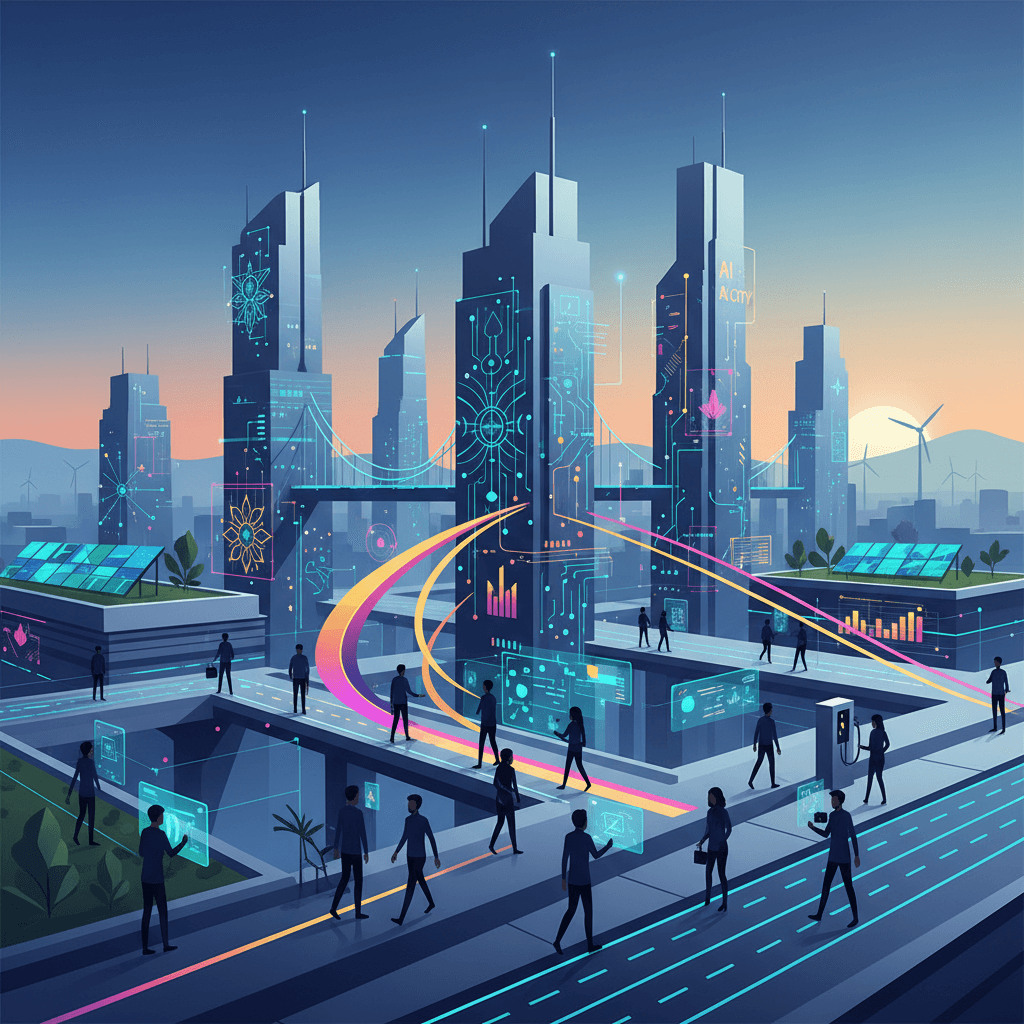
In a significant push for technological and industrial expansion in Uttar Pradesh, Tata Sons chairman N Chandrasekaran met with Chief Minister Yogi Adityanath to outline a series of major investment proposals, including a plan to nearly double the workforce of Tata Consultancy Services (TCS) and a visionary project to establish an "AI City" in Lucknow. The high-level discussions signaled a broad consensus on long-term collaboration across a multitude of sectors, positioning the Tata Group as a key partner in the state's ambition to become a trillion-dollar economy. These proposals encompass not only IT and digital innovation but also extend to electronics, defense manufacturing, electric mobility, renewable energy, and tourism, marking a comprehensive investment strategy that could reshape the economic landscape of India's most populous state.[1][2][3] The meeting underscored a deepening of the relationship between the industrial conglomerate and the state government, with both entities expressing a commitment to fostering industrial growth, job creation, and technological advancement.[4]
A central component of the proposed expansion is the plan for Tata Consultancy Services to significantly increase its footprint in Uttar Pradesh. The proposal involves scaling up the combined workforce at its Lucknow and Noida facilities from the current 16,000 employees to approximately 30,000.[5][1][2] This substantial increase in manpower is seen as a major boost to the state's digital talent pool and reinforces its growing reputation as an emerging IT hub.[2][6] While officials did not announce a specific timeframe for this workforce expansion, the discussions also touched upon the expansion of TCS units in Varanasi, indicating a broader strategy of decentralized tech growth within the state.[1][3] This move aligns with the state government's objective of creating high-value employment opportunities for its youth and strengthening its IT ecosystem beyond the traditional centers in the National Capital Region.[1][6] The expansion is part of a wider dialogue that also included the potential establishment of a Global Capability Centre (GCC) in the state, further solidifying UP's position in the global technology services map.[2][4]
Perhaps the most forward-looking proposal discussed was the development of a dedicated "AI City" in the state capital, Lucknow.[5] This ambitious project is envisioned to position Uttar Pradesh as a global hub for artificial intelligence, fostering innovation and strengthening the local startup ecosystem.[5][4][7] The AI City aims to generate thousands of new jobs linked to future and emerging technologies by creating a dedicated environment for AI-led research, development, and enterprise adoption.[2][3][4] Although details regarding the project's implementation, land requirements, or investment figures are still at a conceptual stage, the proposal aligns with the state's broader push towards integrating AI into various sectors.[1] The Uttar Pradesh government is already working on a draft AI policy and has initiated programs like 'AI Pragya' to train over a million people in AI and related technologies, demonstrating a foundational commitment to building a tech-savvy population and workforce.[8][9] This initiative is complemented by a Centre of Excellence being developed in Gorakhpur and a memorandum of understanding with IIT Kanpur to train youth in areas like AI, cybersecurity, and data science, creating an industry-ready talent pipeline to support projects like the proposed AI City.[1][2][4]
Beyond the realms of IT and artificial intelligence, the talks between the Tata Group and the state government covered a comprehensive, multi-sector investment roadmap.[10][5] The conglomerate expressed significant interest in expanding investments in electronics manufacturing, including mobile devices and components, leveraging the state's growing industrial base.[1] In the automotive sector, Tata Motors plans to scale up its electric vehicle (EV) manufacturing capabilities, including the development of new EV models and the deployment of electric buses, which supports both the state's clean mobility goals and employment generation.[11][12] The energy sector also featured prominently, with Tata Power accelerating solar projects in Prayagraj and Banda and setting up a new thermal power unit to enhance the state's power capacity.[11][13] Furthermore, discussions touched upon the defense sector, with proposals for increased investment in the Uttar Pradesh Defence Industrial Corridor, potentially including the manufacturing of drones and missiles.[10][3] The Tata Group's hospitality arm is also expanding its presence, with numerous hotels under construction and plans for more, including a signature hotel in Noida, to cater to the state's burgeoning tourism industry.[2][14]
The comprehensive investment plans tabled by the Tata Group represent a landmark moment for Uttar Pradesh's economic development trajectory. The proposal to nearly double the TCS workforce and the visionary concept of an AI City in Lucknow are set to catalyze the state's digital economy, creating a ripple effect of innovation and employment. The broad-ranging investments across strategic sectors like electric vehicles, renewable energy, defense, and electronics manufacturing demonstrate a deep-seated confidence in the state's industrial policy and business environment.[14] This multi-faceted collaboration, if realized, will not only provide a significant impetus to the state's goal of achieving a trillion-dollar economy but will also establish it as a formidable hub for advanced technology, sustainable manufacturing, and skilled employment in India.[14][7] The outcomes of these discussions signal a powerful synergy between one of India's largest conglomerates and its most populous state, promising a future of shared growth and technological prowess.