
Mistral Secures ₹100 Crore Contract, Building India's AI-Ready Defence Radar Brain
The ₹100 crore order strengthens India’s self-reliance, providing AI-ready brains for next-generation indigenous radar.
January 19, 2026
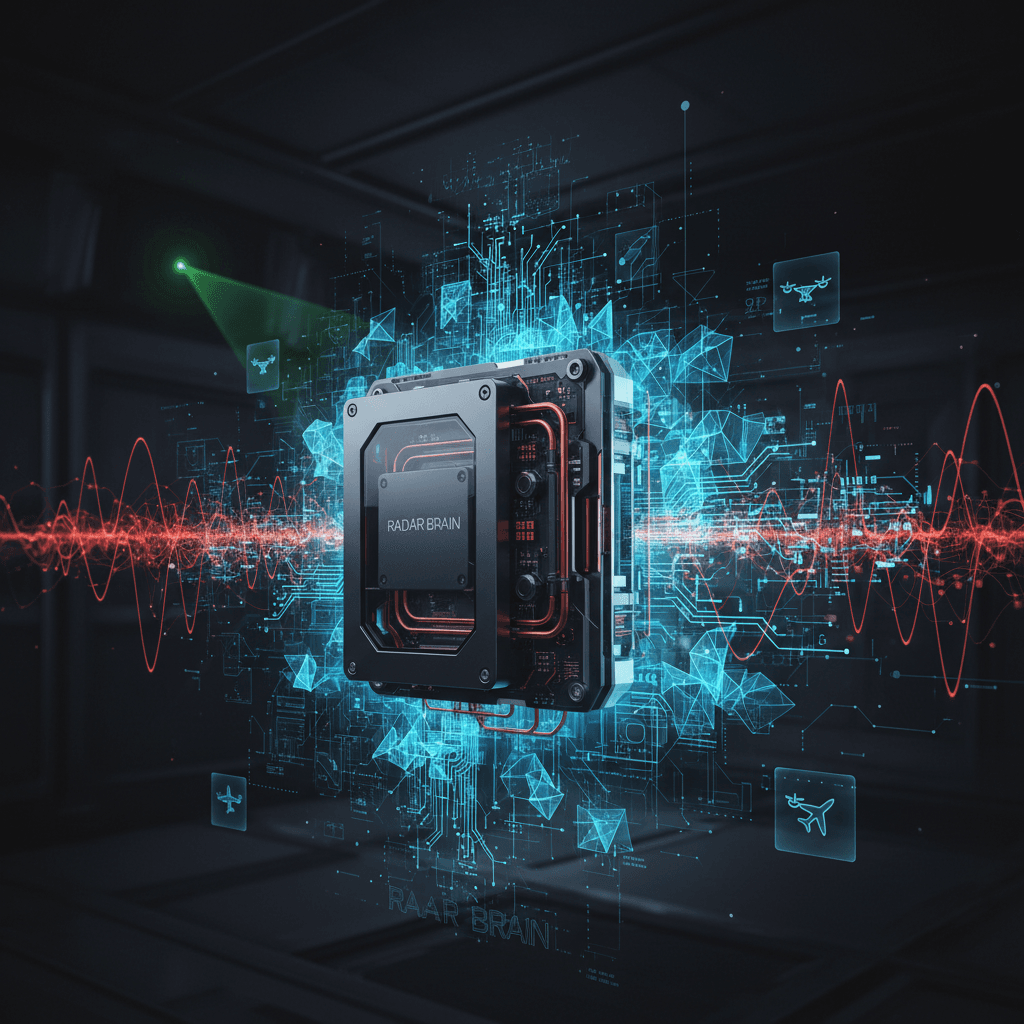
The recent announcement that Mistral Solutions, a high-performance embedded systems specialist and a subsidiary of AXISCADES Technologies Limited, has secured a significant domestic supply order valued at approximately ₹100 crore for defence radar subsystems marks a critical milestone in India’s accelerating defence indigenization journey. The contract, awarded by the state-owned Bharat Electronics Limited (BEL), is for the supply of advanced Signal and Data Processing Units (SDPUs) and associated spares for the Low-Level Transportable Radar (LLTR) Ashwini programme, an indigenous radar system developed by the Defence Research and Development Organisation (DRDO) and BEL. This strategic win not only bolsters AXISCADES' standing in the high-margin defence electronics sector but also underscores the pivotal role of sophisticated deep technology, particularly embedded computing and its intersection with Artificial Intelligence (AI), in modern military hardware. Deliveries under the contract are slated to be spread over a two-year period, providing substantial revenue visibility and reinforcing the company’s alignment with national strategic initiatives[1][2][3][4][5][6].
The Signal and Data Processing Units at the core of this contract represent the technological brain of the LLTR Ashwini radar system. In any modern radar platform, the SDPU is a mission-critical component responsible for the instantaneous processing of raw radar signals and converting them into actionable operational data for deployment, which involves complex calculations and real-time decision-making[1]. The LLTR Ashwini radar is specifically designed for low-altitude surveillance, a domain of increasing importance due to the proliferation of modern aerial threats, including unmanned aerial vehicles (UAVs), helicopters, and low-flying fighter aircraft[1][2][3]. Mistral Solutions’ SDPUs are engineered to meet extreme operational demands, a requirement underscored by their liquid-cooled design, which ensures reliable performance even when systems are exposed to high temperatures and continuous heavy workloads in field conditions[1][2][3]. This capability is a testament to the proprietary expertise in embedded computing that Mistral brings to next-generation radar platforms[2][3].
The implications of this subsystem order for the development and deployment of AI-driven defence applications are significant, despite the contract's explicit scope being electronic hardware. Signal and Data Processing Units are the foundational layer upon which advanced AI and machine learning algorithms are executed within a radar system. Modern radar signal processing moves beyond traditional filtering to sophisticated techniques like cognitive radar, which utilises AI to dynamically adjust its waveform, frequency, and beam pattern in response to the environment and threats[3]. The vast amounts of data processed by these SDPUs—from detecting faint signatures to distinguishing between legitimate targets and clutter—are where AI models are indispensable. These models are crucial for automatic target recognition (ATR), threat classification, and even anticipating hostile maneuvers, tasks that demand immense processing power[2][3]. AXISCADES has previously defined its focus areas to include Aerospace, Defence, Electronics, Semiconductor, and Artificial Intelligence (ESAI), indicating its strategy to converge its hardware and embedded system strengths with cutting-edge AI software to deliver next-generation military systems[7][3][5]. The SDPU contract positions Mistral as a vital provider of the AI-ready hardware foundation for India’s future radar-based intelligence, surveillance, and reconnaissance (ISR) capabilities.
This contract victory aligns perfectly with the overarching national mission of self-reliance, or 'Atmanirbhar Bharat,' in the defence sector. The LLTR Ashwini is an indigenous programme, and Mistral’s participation as a domestic supplier of a high-tech, mission-critical component directly contributes to reducing foreign dependency in a sensitive technology domain[2][3]. As the CEO of Mistral Solutions noted, the win reflects the company's commitment to supporting India's defence indigenisation efforts and contributing critical technologies to next-generation military systems[2][5]. Furthermore, the successful execution of this ₹100 crore order from a Public Sector Undertaking (PSU) like BEL for a DRDO-developed platform positions Mistral to capture a larger share of the expanding indigenous defence electronics pipeline[2][3]. The expertise gained from developing and supplying these liquid-cooled embedded computing solutions for extreme environments provides a strong competitive advantage for other complex defence programmes, including those in Electronic Warfare (EW), command, control, communications, computers, and intelligence (C4I2), and anti-drone systems, areas in which AXISCADES already possesses deep domain experience[2][7].
The broader business context places this win within a solid growth trajectory for AXISCADES. The company, which operates across India, Europe, and North America with a global workforce of over 3,000 professionals, has been strategically expanding its defence portfolio[7]. The SDPU order adds to the company's substantial existing defence order book, which includes involvement in other high-profile projects such as the modernisation programme for the Su-30MKI fighter jet and major contracts for various airborne, naval, and radar systems[8][9][10]. The secured contract for the LLTR Ashwini programme, with a clear two-year delivery timeline, enhances revenue visibility and underscores the growing demand for high-performance, domestically-sourced embedded computing solutions. As the defence and aerospace industries increasingly rely on 'deep tech' that fuses electronics, semiconductors, and AI, this ₹100 crore order is not just a financial transaction but a key indicator of the successful migration of critical technology design and manufacturing to Indian soil, cementing Mistral Solutions’ role as a technology leader in the complex, high-stakes defence and AI-enabled electronics landscape[3].
Sources
[1]
[2]
[3]
[4]
[5]
[6]
[7]
[8]
[9]
[10]