
Microsoft and PayPal debut Copilot Checkout, transforming AI into a shopping agent.
The partnership transforms Copilot into a fully transactional AI agent, drastically reducing the path from conversation to purchase.
January 9, 2026
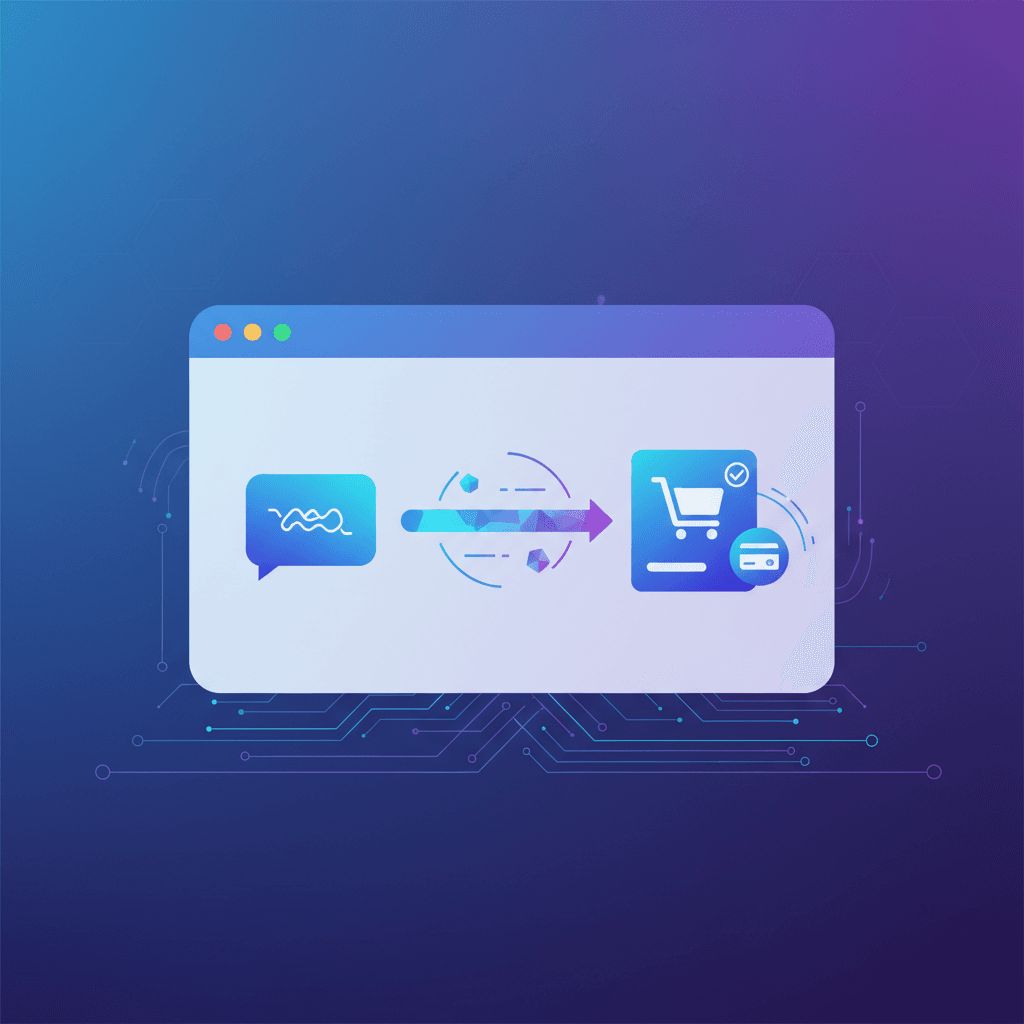
The digital commerce landscape is undergoing a profound transformation as Microsoft integrates PayPal's payment services directly into its Copilot AI assistant, signaling a major move toward the era of “agentic commerce.” This partnership, which underpins the new feature called Copilot Checkout, is designed to eliminate the historical friction between product discovery and final purchase, fundamentally reshaping how consumers interact with online retail. The collaboration positions Copilot not merely as a conversational tool but as a fully transactional AI agent, enabling users to complete purchases without ever being redirected to an external merchant website.
The mechanics of this seamless integration are powered by a suite of financial and commerce capabilities provided by PayPal. As a core partner for Copilot Checkout, alongside companies like Shopify and Stripe, PayPal is responsible for powering the critical steps of the transaction flow, including surfacing merchant inventory, facilitating branded and guest checkout options, and processing credit card payments. This functionality, which is initially rolling out in the United States on Copilot.com, relies on PayPal's recently launched agentic commerce services, notably a 'store sync' capability. This feature allows merchants' product catalogs to become instantly purchasable within the Copilot interface, ensuring that the AI can present curated, shoppable results in real-time. By leveraging the trusted payment infrastructure of a company with decades of commerce experience, Microsoft aims to provide a reliable, end-to-end shopping experience directly in the chat environment.
This development is a direct response to the maturation of agentic AI systems, a technological shift that is fracturing the traditional e-commerce model. In this new paradigm, an AI assistant is moving beyond simply offering recommendations or guiding a shopper; it is becoming an autonomous agent capable of executing the entire transaction based on a user’s conversational intent. Instead of a shopper needing to search, click a link, navigate a merchant’s site, and then complete a separate checkout form, a simple prompt—such as "find the best-value running shoes for a marathon under $150"—can lead directly to a purchase confirmation screen within Copilot. This 'conversation-to-conversion' flow is predicted to dramatically reduce the path to purchase. Early data from Microsoft’s Copilot shopping experiences supports this prediction, indicating that journeys that include Copilot have led to 53 percent more purchases within 30 minutes of interaction, with conversion rates being 194 percent higher when shopping intent is present.[1][2][3]
For the vast ecosystem of merchants, the launch of Copilot Checkout represents both an immense opportunity and a significant adjustment to their retail strategies. The promise is clear: access to high-intent shoppers directly at the point of decision, resulting in less friction and potentially greater conversion rates. For merchants using platforms like Shopify, the integration is made nearly turnkey, with automatic enrollment into Copilot Checkout following an opt-out window. This approach is designed to simplify the process for the tens of millions of merchants in PayPal’s ecosystem, helping them become "AI-ready" with minimal engineering overhead. Crucially, Microsoft has stipulated that the retailer remains the "merchant of record" in these in-Copilot transactions. This means the merchant retains control over fulfillment, customer data, and the ongoing customer relationship, addressing a primary concern for retailers hesitant to cede control to an intermediary technology platform. PayPal’s role in providing buyer and seller protections on eligible transactions further mitigates risk for both parties on this new, conversational surface.[4][5][2][3][6]
The broader AI industry is now locked in a high-stakes race to own the future of agentic commerce. Microsoft’s move with Copilot Checkout is a decisive effort to gain ground against rivals that have also launched similar shopping features. OpenAI previously introduced an Instant Checkout feature in ChatGPT, partnering with Shopify and Stripe, while Google also entered the field with a "Buy for Me" feature in its Gemini assistant. Microsoft, however, is positioning Copilot Checkout as a fully in-AI purchasing flow, which contrasts with some earlier AI assistants that cautioned users about potential inaccuracies in AI-generated product details like pricing and availability, often advising a final check on the merchant site. By integrating trusted commerce partners and merchant inventory synchronization from the outset, Microsoft is striving to deliver a reliable, end-to-end purchasing experience that alleviates the need to ever leave the conversation. This strategic focus capitalizes on Microsoft's existing enterprise relationships and the scale of its Copilot user base, aiming to win over merchants wary of handing over commerce functions to retail rivals or potentially error-prone AI intermediaries. The success of this partnership with PayPal will be a bellwether for how quickly conversational AI transitions from an information assistant to a primary transactional platform in the global retail market.[7][8][4][3]