
MCP Apps Launch Transforms AI Conversations into Dynamic Applications
The MCP Apps extension embeds dynamic UIs, finally transforming AI conversations from dialogue into interactive, functional workflows.
January 26, 2026
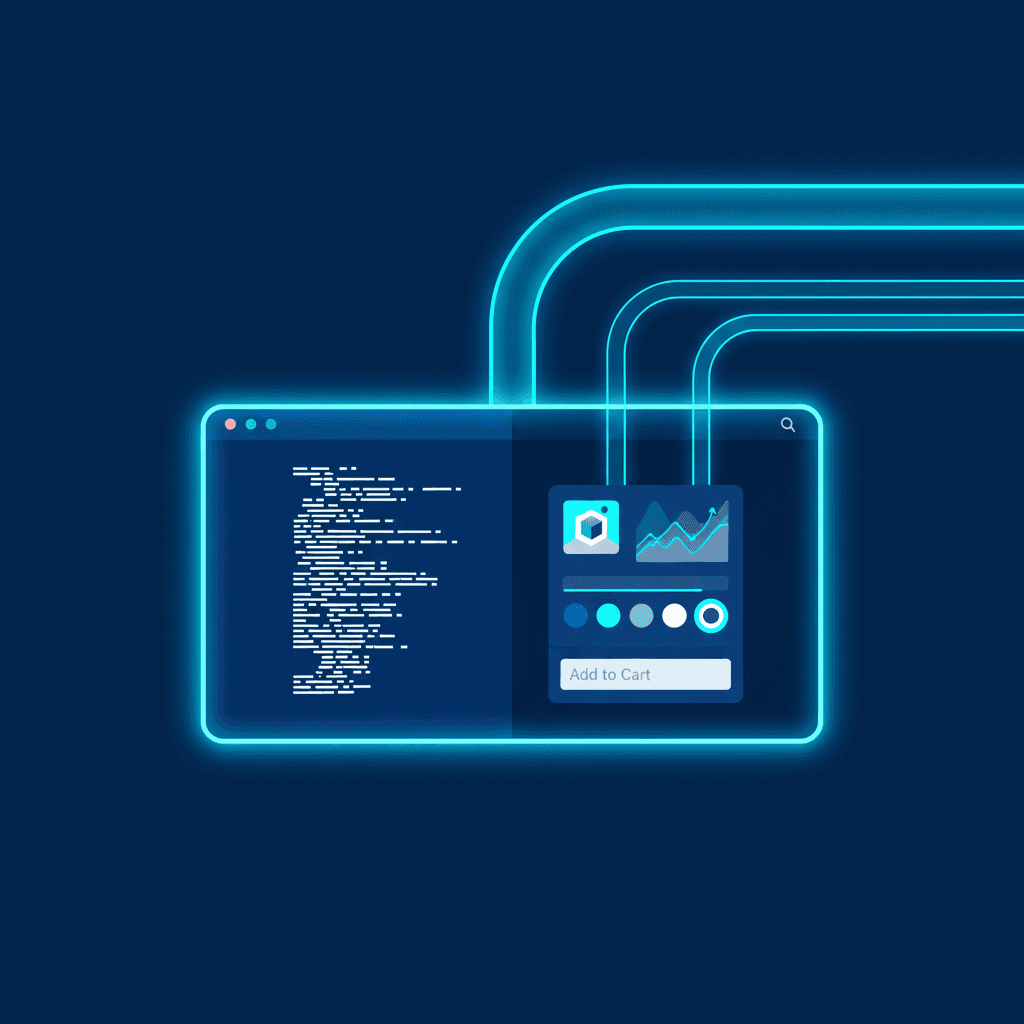
The world of conversational artificial intelligence is undergoing a fundamental shift, moving beyond the simple text-in, text-out paradigm to fully interactive experiences, thanks to the launch of "MCP Apps," the first official extension to the Model Context Protocol. This development allows AI agents to embed rich, dynamic user interfaces directly into the conversation flow, effectively turning an AI response from a static block of text into a functional, click-and-scroll application. The Model Context Protocol, or MCP, has been widely adopted as an open-source standard for connecting AI applications like Claude or ChatGPT to external systems, data sources, and tools, often likened to a "USB-C port" for the AI ecosystem.[1] The new MCP Apps extension, proposed as SEP-1865, standardizes the pattern for declaring user interface resources, linking them to existing tools, and enabling two-way communication between the embedded interfaces and the host AI application.[2]
The genesis of MCP Apps lies in the realization that while the base Model Context Protocol gave AI agents "superpowers" to access external information, the strictly text-only flow of traditional chatbots created a ceiling for the user experience.[3][4] Complex actions, especially in domains like e-commerce, data visualization, or intricate form-driven workflows, required users to manually translate the AI's textual output into a separate, actionable user interface. The MCP Apps extension directly addresses this "text wall" by allowing the AI server to deliver the visual context alongside the text response.[4] For example, a user asking an AI shopping assistant to "find a red sweater, size medium" no longer receives a description and a link, but an embedded interface containing an image gallery with color swatches, a live size selector, and an "Add to Cart" button—all within the conversation window.[3] This move is not merely an aesthetic upgrade; it fundamentally changes the human-AI interaction from a command-and-response dialog to a collaborative, interactive workflow.
The technical architecture underpinning MCP Apps is an elegant extension of the existing protocol, which was originally authored by core maintainers from major industry players like OpenAI and Anthropic.[2][5] MCP is already an industry standard, with its client-server architecture enabling AI hosts to discover and invoke tools exposed by MCP servers, often over simple, secure transports like Streamable HTTP.[2][6][7] The Apps extension builds upon the existing resource specification within MCP, introducing a standard for a `UIResource` that defines how an interactive component—often Inline HTML rendered in a sandboxed environment—should be delivered and presented.[2][4] This ensures that the integration remains lightweight and leverages the security and authentication mechanisms already built into the Model Context Protocol. Critically, the standard requires that servers provide a text-only fallback for all UI-enabled tools, ensuring that the experience remains backwards-compatible for clients that have not yet adopted the new extension.[2] This layered approach is key to its rapid, non-disruptive adoption across the growing MCP ecosystem, which has already seen thousands of community-built servers for various functions.[8]
The strategic implications of MCP Apps for the AI industry are profound, promising to catalyze a new wave of application development and monetization. Prior to this extension, the competitive edge for developers and businesses was largely focused on building the best APIs and tool descriptions for agents to consume.[9] With interactive interfaces now a core component, the competitive advantage is expected to shift toward shipping the best collection of tools *and* the best user experience to go with them. For major platforms that host AI models, such as ChatGPT, the MCP Apps extension provides a powerful backbone for their own developer toolkits, allowing them to reason about an external application's interface, state, and functionality the same way they reason about their own built-in tools.[6] This level of integration promises to accelerate the vision of the AI agent as a true "everything app," capable of coordinating actions across a vast network of services and providing a seamless, on-the-spot UI for everything from real-time data analysis to generating a 3D design file.[9][1] Furthermore, by making complex actions visually intuitive and interactive, the barrier to entry for end-users tackling intricate tasks is significantly lowered, driving the commercial viability of autonomous agents across industries like finance, healthcare, and enterprise workflow management.[5][8]
The adoption of the Model Context Protocol, and now its Apps extension, represents a significant step toward solving the "integration chaos" that previously plagued the AI ecosystem, where every AI application required bespoke, one-off integrations to connect to external services.[5][10] By providing a universal protocol, developers can focus on creating high-value tools and interactive components, knowing they will be instantly compatible with any major AI client that adheres to the MCP standard. The foundation laid by earlier community-driven projects, such as MCP-UI, proved the appetite for rich, agentic apps and established the core patterns now formalized in the official extension.[2] Supported by a broad community that includes leading technology and commerce companies, the move from text-only tool-calling to fully interactive, context-aware interfaces is set to redefine user expectations and usher in a more intuitive, powerful generation of AI applications. The future of AI interaction is no longer just a conversation; it is an integrated, dynamic experience.