
Advanced AI Trading Bots Democratize Global Forex Markets for Retail Investors
How advanced AI and automated trading robots are democratizing currency markets, combining machine precision with critical human oversight
June 1, 2026
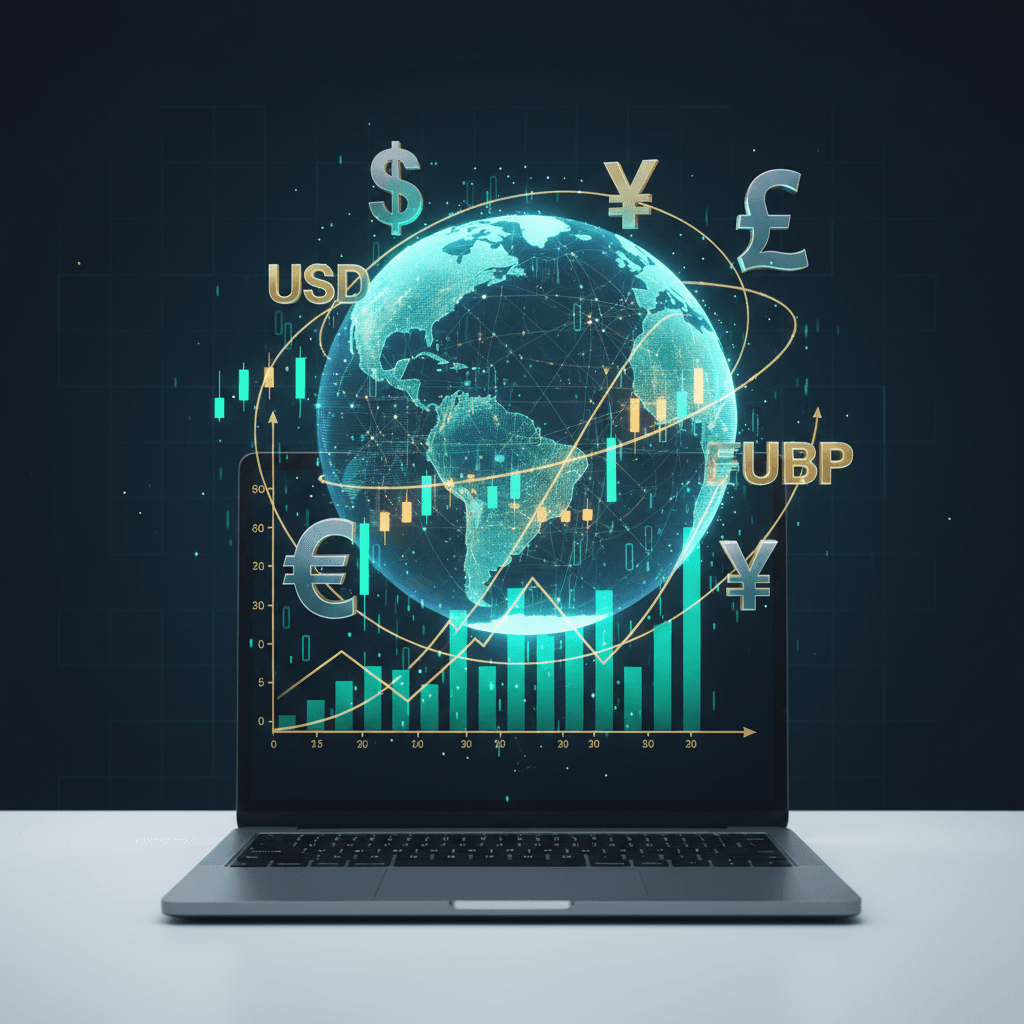
The global foreign exchange market is undergoing a profound structural transformation driven by rapid advancements in automation and artificial intelligence[1][2]. As the largest and most liquid financial market in the world, with daily trading volumes measured in the trillions of dollars, the forex landscape has traditionally demanded exhausting hours of manual chart analysis, swift physical reflexes, and immense emotional discipline[3][4]. Today, however, a massive shift toward automated trading systems is reshaping how both retail and institutional participants interact with global currencies[3]. Forex robots, or expert advisors, which execute trades based on programmed logic, have evolved from niche scripting tools into highly sophisticated, user-friendly platforms[5][6]. This rise in popularity is closely tracked by a growing sector of forex robot reviews, which serve as a critical guidepost for traders navigating the intersection of algorithmic efficiency and modern financial technology[5].
Historically, automated trading was the exclusive domain of major financial institutions and quantitative hedge funds with the capital to build proprietary high-frequency systems[3][7]. Retail traders who wanted to automate their strategies were often limited to basic scripts that executed trades based on static, rigid parameters[3][7]. However, recent developments in machine learning and cognitive computing have democratized this landscape, enabling the development of dynamic systems that can process massive volumes of market data in real time[1][7]. Industry reports highlight that the global trading bot market has experienced explosive growth, with projections suggesting it will expand significantly over the coming decade[6]. Modern forex robots are no longer confined to simple moving average crossovers on charting software[5]. Instead, they utilize advanced data analysis to recognize complex price patterns, adjust to changing volatility levels, and optimize currency pairings such as the euro, the British pound, and the Japanese yen[5][4]. Many of these systems connect seamlessly to popular retail platforms like MetaTrader and TradingView through application programming interfaces, allowing for rapid execution without human intervention[8][7].
An analysis of the top-performing forex robot reviews reveals that today's automated systems employ a diverse array of trading methodologies tailored to different risk appetites. Trend-following algorithms capitalize on sustained directional movements by tracking momentum indicators, while scalping robots exploit minor, rapid price inefficiencies with ultra-low latency execution[9]. Other systems utilize grid trading strategies, placing buy and sell orders at predetermined intervals to capture profits in range-bound markets[9]. What sets the best modern tools apart is their ability to integrate robust risk management protocols directly into their source code[3][9]. By automatically managing position sizing, setting dynamic stop-loss levels, and implementing maximum drawdown limits, these systems can act as a shield against the psychological pitfalls—such as greed, panic, and fatigue—that frequently compromise human performance[3][1]. Advanced reviews often detail how these tools run continuously in cloud environments, ensuring that trading opportunities are not missed when a human operator is asleep or offline[3][1].
Despite the growing appeal of automated trading, professional reviews consistently emphasize that forex robots are not infallible magic wands[1][4]. The automated trading market is notoriously saturated with exaggerated performance claims, over-optimized backtesting results, and outright scams[10]. A common pitfall for many automated strategies is overfitting, a phenomenon where an algorithm is tuned so perfectly to historical data that it fails catastrophically when confronted with live, unpredictable market conditions[11][10]. Additionally, automated systems can struggle during major macroeconomic anomalies, such as unexpected interest rate decisions, geopolitical shocks, or sudden central bank interventions[1][4]. Experienced analysts recommend that traders approach automation with realistic expectations, pointing out that sustainable, well-regulated bots typically target modest, consistent annual returns rather than astronomical overnight gains[12]. Thorough testing on demo accounts, reviewing performance logs, and relying on verified third-party performance trackers remain essential safeguards before risking real capital[12][10].
The rapid progression of forex automation carries significant implications for the broader artificial intelligence and financial technology industries[1][2]. As artificial intelligence models become increasingly agentic—capable of planning, reasoning, and executing complex workflows independently—we are seeing the emergence of fully managed, no-code quantitative trading platforms[8][11]. This evolution shifts the role of the retail trader from a programmer or manual analyst to an overseer or curator of automated strategies[8][13]. Furthermore, the integration of natural language processing allows modern bots to scan news feeds and social media for market-moving information, bridging the gap between technical and fundamental analysis. By lowering the technical barriers to entry, the AI industry is effectively leveling the playing field, granting individual traders access to analytical capabilities and execution speeds that were once the sole privilege of institutional trading desks[3][7]. This democratization is prompting regulatory bodies to look more closely at algorithmic trading, emphasizing the need for robust software standards and ethical AI practices.
Ultimately, the future of automated forex trading represents a symbiotic relationship between human oversight and machine precision[13]. While artificial intelligence can process data, manage risk, and execute strategies at speeds no human could ever match, it lacks the contextual understanding and adaptive intuition required to navigate unprecedented global events[1][4]. The best forex robot reviews underscore a fundamental truth about the modern financial landscape: automation is most successful not when it completely replaces human intellect, but when it serves as a highly disciplined tool to enhance execution and eliminate emotional bias[3][8]. As technology continues to mature, those who learn to effectively configure, monitor, and integrate these intelligent systems into a broader, risk-aware strategy will be the ones best positioned to thrive in the fast-paced world of global currency trading[6].