
Ukraine opens vast combat data repository to accelerate development of autonomous drone AI
By sharing battlefield data with tech firms, Ukraine is turning the front lines into a laboratory for autonomous warfare.
March 13, 2026
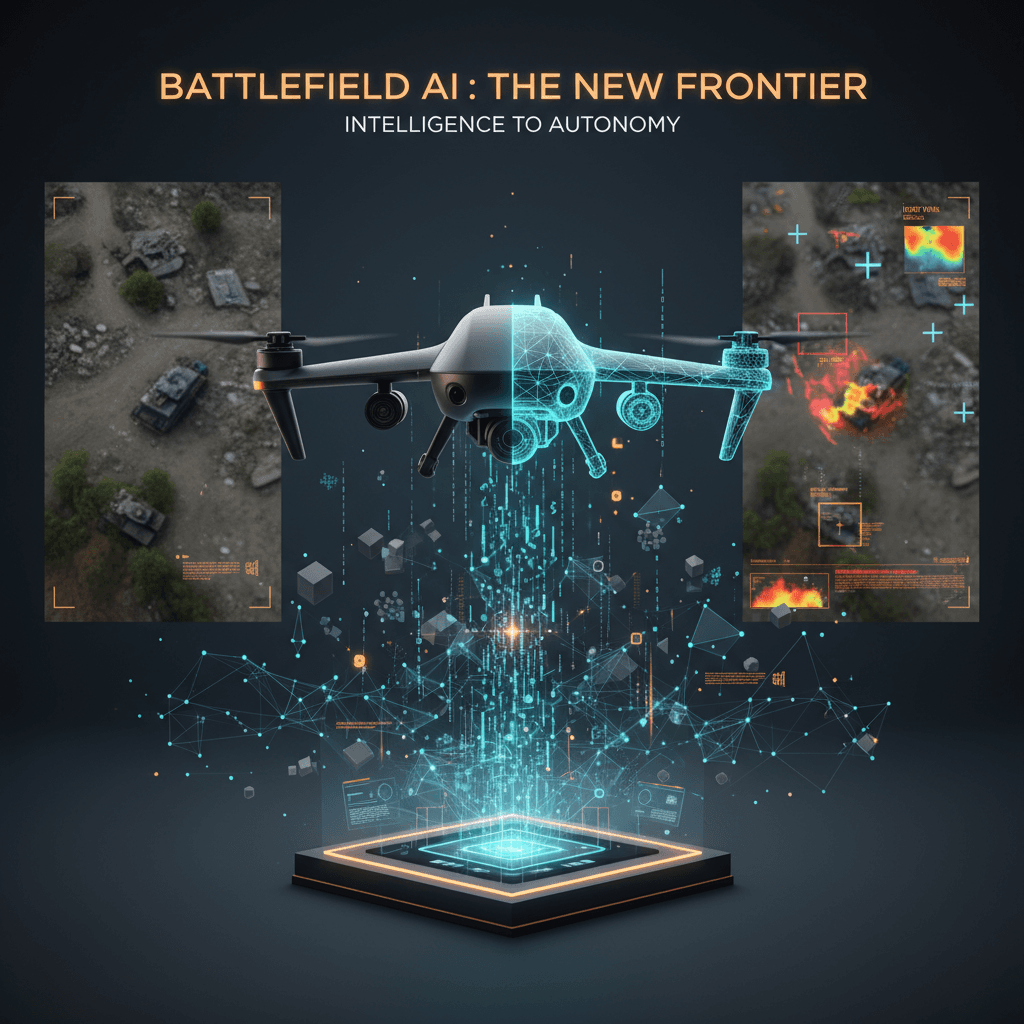
Ukraine has taken a historic step in the evolution of modern conflict by opening its vast repository of battlefield data to international allies and private technology firms. This initiative, sanctioned through a recent government resolution, aims to accelerate the training of artificial intelligence models for autonomous drones and other unmanned systems.[1][2][3][4][5][6] By providing access to millions of annotated images and thousands of hours of combat footage, the nation is effectively turning its front lines into the worlds most significant laboratory for defense-oriented machine learning. This move marks a pivot in global defense strategy, moving away from a reliance on human-operated systems toward fully autonomous platforms capable of navigating and striking without constant pilot intervention.[7][8]
The center of this initiative is a specialized AI platform managed by the Ministry of Defenses Center for Innovation and Development of Defense Technologies.[5][4][3][9][2][1] Known as a secure data room, this environment allows international partners to train their neural networks on authentic data without gaining direct access to sensitive, raw databases that could compromise national security.[6] This sandbox model addresses a critical bottleneck in AI development: the scarcity of high-quality, real-world data. While synthetic data and simulated environments are commonly used to train computer vision models, they often fail to replicate the visual noise, varied lighting, and complex camouflage found in actual combat. The Ukrainian dataset, composed of frames collected during tens of thousands of combat flights, provides the granular detail necessary for AI to distinguish between a decoy and a functional main battle tank or to identify concealed artillery positions under heavy canopy.
One of the primary drivers for this unprecedented data-sharing agreement is the escalating crisis of electronic warfare on the battlefield. As signal-jamming technology has become more sophisticated, traditional radio-controlled drones have faced a higher rate of attrition due to lost links between the operator and the aircraft. Autonomous systems offer a technical solution to this problem.[10][9] By integrating AI-driven computer vision and edge computing, drones can perform terminal guidance, which allows them to recognize and lock onto a target even after the pilot’s connection has been severed. The data provided through this new platform is specifically tailored to refine these terminal guidance algorithms, ensuring that unmanned systems can operate effectively in environments where GPS and radio communications are completely degraded.
The implications for the global AI industry are profound, as this initiative creates a new economy centered on battle-hardened technology. Companies like the German firm Quantum Systems and the American data analytics giant Palantir have already been deeply involved in the digital ecosystem, and the opening of this platform further cements the role of private enterprise in state-level defense. For these companies, the ability to battle-test their algorithms against one of the world’s most advanced conventional militaries provides a competitive edge that is impossible to achieve in a domestic testing range. This collaborative framework is described by officials as a win-win scenario: international partners gain the ability to modernize their defense technologies at an accelerated pace, while the host nation benefits from the rapid deployment of advanced autonomous systems back to the front lines.[3][10][9][1]
This shift toward autonomy is not merely theoretical but is backed by a massive increase in domestic production and deployment.[11] In the past year alone, the country has produced approximately two million drones, with an increasing percentage of these units featuring AI-enhanced capabilities.[6] The goal is to reduce the human cost of reconnaissance and strike missions while simultaneously increasing efficiency. Data suggests that AI integration can significantly lower the cost of a successful strike; by improving accuracy, missions that previously required eight or nine drones to hit a single target can now be completed with just one or two.[6] Furthermore, these systems shorten the training cycle for drone operators, as the AI handles the complex tasks of stabilization and target tracking, allowing a novice pilot to reach combat proficiency in a fraction of the time previously required.
Strategic leadership has characterized this new phase of warfare as an era of "drone interceptors" and autonomous platoons. The creation of dedicated units specifically designed to hunt and neutralize enemy drones using AI is already underway. These interceptors rely on high-speed computer vision to track moving aerial targets, a task that is exceptionally difficult for human pilots at high velocities. By sharing the data required to train these interceptor models, the nation is seeking to establish a technological shield that can protect both military assets and civilian infrastructure from the swarms of loitering munitions that have come to define modern air threats.
However, the move toward full autonomy also brings significant ethical and strategic questions to the forefront of the international dialogue. The shift from human-in-the-loop systems to those where the AI makes the final decision to strike is a point of contention for many international observers. Current doctrine emphasizes that AI should serve as an enabler rather than an independent decision-maker, assisting human operators in processing overwhelming volumes of sensor data and speeding up the OODA loop—observe, orient, decide, and act.[12][13] Yet, the reality of electronic warfare often forces a choice between total mission failure or granting the machine a degree of terminal autonomy. The data-sharing platform will likely be the forge where these new rules of engagement are tested and refined.
The initiative also reflects a broader transformation in how states manage innovation during wartime. Rather than following the traditional, rigid procurement cycles favored by many NATO countries, this model emphasizes rapid, iterative development where software updates can be shipped to the front lines within 48 to 72 hours. This agility is only possible through the tight integration of field data and developer access. By inviting allies into this fast-paced ecosystem, the nation is attempting to set a new global standard for defense-industrial cooperation. The result is a decentralized network of engineers, military units, and private startups working in parallel to solve complex problems such as navigation without satellite signals and the identification of next-generation camouflage.
In conclusion, the decision to open battlefield data to allies represents a fundamental shift in the global balance of technological power. It moves beyond the simple donation of hardware and instead offers the most valuable commodity of the 21st century: information. As AI becomes the defining component of military superiority, the ability to train models on authentic, high-stakes data will determine the success of future autonomous systems. This project ensures that the next generation of defense technology is not just built in a laboratory but is hardened by the realities of a modern, high-intensity conflict. The partnership between the state and the global tech industry now serves as a blueprint for how nations may defend themselves in an era where the algorithm is as critical as the ammunition. Over the coming years, the results of this data exchange will likely resonate far beyond the current conflict, shaping the procurement strategies and ethical frameworks of militaries worldwide.