
TikTok parent ByteDance secures 36,000 Nvidia Blackwell chips in Malaysia to bypass US bans
ByteDance circumvents US export bans by securing 36,000 advanced Nvidia Blackwell chips through a strategic $2.5 billion Malaysian data hub.
March 13, 2026
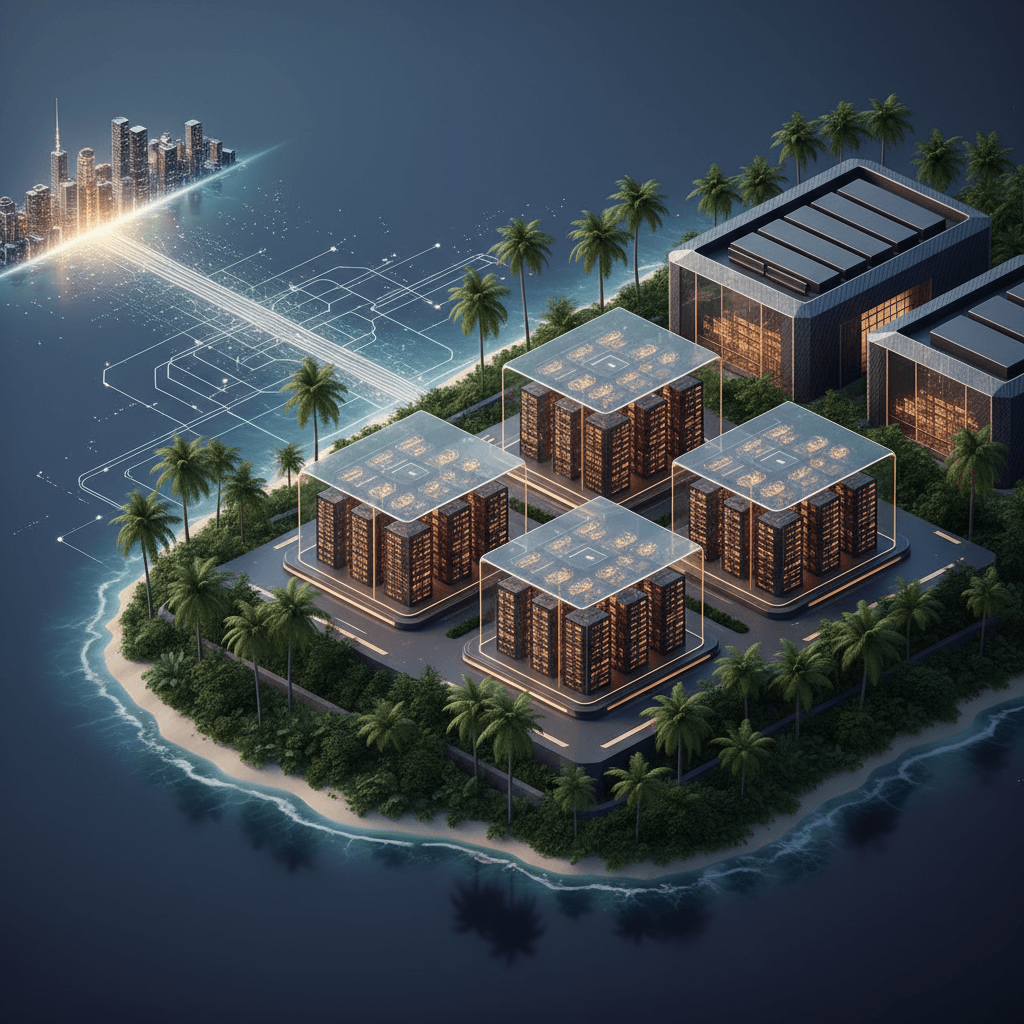
ByteDance, the parent company of the global social media phenomenon TikTok, is executing a massive strategic pivot to ensure its artificial intelligence capabilities remain competitive with Western rivals. By securing access to an enormous cluster of Nvidia Blackwell chips in Malaysia, the Beijing-based tech giant is effectively bypassing the stringent trade barriers erected by the United States government.[1] This maneuver involves the deployment of approximately 36,000 of Nvidia’s most advanced B200 processors, a move that signals a significant shift in how Chinese technology firms navigate the increasingly restrictive landscape of international semiconductor trade.[1][2] While direct exports of such high-performance hardware to mainland China are strictly prohibited, the establishment of an offshore computing hub allows ByteDance to harness world-class processing power for its research and development initiatives without physically bringing the silicon across the Chinese border.[1][2]
The scale of this Malaysian infrastructure project is substantial, representing an estimated investment exceeding 2.5 billion dollars.[1][3][4] The cluster is reported to consist of roughly 500 Nvidia Blackwell systems, specifically utilizing the B200 architecture which offers a quantum leap in performance for training large language models and running complex recommendation algorithms. To facilitate this arrangement, ByteDance is collaborating with Aolani Cloud, a Southeast Asian service provider that maintains a Tier-1 partnership status with Nvidia.[5] This partnership is critical because it grants Aolani priority access to Nvidia’s latest hardware.[6] By leasing these servers from a local entity that formally owns and operates the hardware within Malaysian borders, ByteDance can utilize the compute power remotely. This "offshore cloud" model has emerged as a vital lifeline for Chinese companies that are otherwise locked out of the highest tier of the global AI supply chain.
The regulatory environment surrounding this deal is a complex web of shifting policies and strategic exclusions.[7] Under the current American administration, there has been a notable, albeit cautious, relaxation of some export controls.[8][9][10] Earlier in 2026, Washington modified its stance to allow the sale of Nvidia H200 chips—the predecessor to the Blackwell line—to Chinese firms, provided they pay a 25 percent tariff and adhere to strict volume caps. However, the most advanced Blackwell architecture remains a red line for American regulators.[11][1] The Bureau of Industry and Security continues to categorize these specific chips as critical national security assets that must stay out of the reach of Chinese entities to maintain a "small yard, high fence" around frontier AI technology. Even as the White House signals a more transactional approach to semiconductor trade, the prohibition on Blackwell exports to China remains one of the few areas of total bipartisan agreement. By positioning its hardware in Malaysia, ByteDance is operating in a legal gray area that complies with the letter of the law regarding physical shipments while arguably subverting the intent of the restrictions.
Malaysia has rapidly ascended as a pivotal battleground in this technological tug-of-war, transforming into a primary data center hub for the Asia-Pacific region.[12] The country’s geographic proximity to China, combined with its relatively neutral geopolitical stance and aggressive incentives for digital infrastructure, has made it an ideal staging ground for high-tech firms. Major American players like Google and Microsoft have also committed billions to Malaysian data centers, creating a dense ecosystem of high-performance computing that is difficult for regulators to police on a granular level. However, this growth has not come without scrutiny. Following several high-profile incidents where advanced chips were allegedly smuggled through Southeast Asian ports into mainland China, Malaysia introduced a mandatory permit system for high-performance processors in mid-2025.[1] This regulatory tightening aims to ensure that hardware remains within the data centers where it is officially registered, preventing the physical leakage of technology while still allowing for the legal growth of the local digital economy.
The strategic necessity of the Blackwell cluster for ByteDance cannot be overstated, as the company’s global ambitions rely heavily on its ability to outpace competitors in algorithmic efficiency. ByteDance’s domestic AI model, Doubao, and its recent advancements in generative video through the SeeDance 2.0 platform require massive amounts of "compute" to evolve. Relying solely on domestic Chinese silicon, such as the chips produced by Huawei or Baidu, puts ByteDance at a significant disadvantage compared to American firms like OpenAI or Google, which have unrestricted access to Nvidia’s latest innovations. By securing 36,000 Blackwell units in Malaysia, ByteDance aims to achieve computational parity with its Western peers. This level of hardware access is essential for the company to maintain the quality of TikTok’s global recommendation engine and to expand its suite of AI-driven consumer apps, which now generate nearly a quarter of the company’s total revenue from markets outside of China.
This arrangement carries profound implications for the global AI industry and the future of export control enforcement.[10][7] If ByteDance successfully scales its Malaysian operations, it will demonstrate that the physical location of a chip is increasingly secondary to the accessibility of its processing power over a network. This realization may force a major re-evaluation of how trade bans are structured, moving away from simple shipping restrictions toward more complex monitoring of data flows and remote compute usage. Furthermore, Nvidia’s involvement highlights the delicate balancing act faced by American semiconductor manufacturers. While Nvidia must comply with federal mandates, the company also has a strong incentive to support legitimate offshore clusters that keep its hardware at the center of the global AI ecosystem. Nvidia has noted that it has no objections to such deals as long as they are built in full compliance with export controls, reflecting a desire to capture the massive demand from Chinese tech giants through any legal channel available.
The long-term viability of this Malaysian loophole remains uncertain as political pressure in Washington continues to mount. Legislators have already proposed the AI Overwatch Act, a bill intended to grant Congress more oversight over the licensing of advanced chips to third-party countries like Malaysia and Indonesia. There is a growing fear among policy hawks that allowing ByteDance to train frontier models in Southeast Asia is functionally identical to allowing them to do so in Beijing, as the resulting "weights" and algorithmic breakthroughs can be easily transferred back to the company’s primary research hubs. If the United States decides to close the remote-access loophole, it could spark a new round of tensions with Southeast Asian nations that view these data centers as cornerstone investments for their future prosperity.
In summary, ByteDance’s securing of a massive Blackwell cluster in Malaysia represents a masterful maneuver in the ongoing high-stakes game of geopolitical chess. By navigating the complexities of international trade law and leveraging the rapid infrastructure growth of a neutral third party, the company is attempting to safeguard its technological future. This move not only highlights the indispensable nature of Nvidia’s hardware in the AI race but also underscores the increasing difficulty of containing digital innovation within national borders. As the friction between technological advancement and national security continues to intensify, the success or failure of ByteDance’s Malaysian venture will serve as a definitive case study for the next era of global AI governance.