
OpenAI Uses AI Behavioral Analysis to Age-Gate ChatGPT, Protecting Minors.
ChatGPT introduces tiered access, balancing AI utility for adults with unprecedented safety protocols for young users.
January 20, 2026
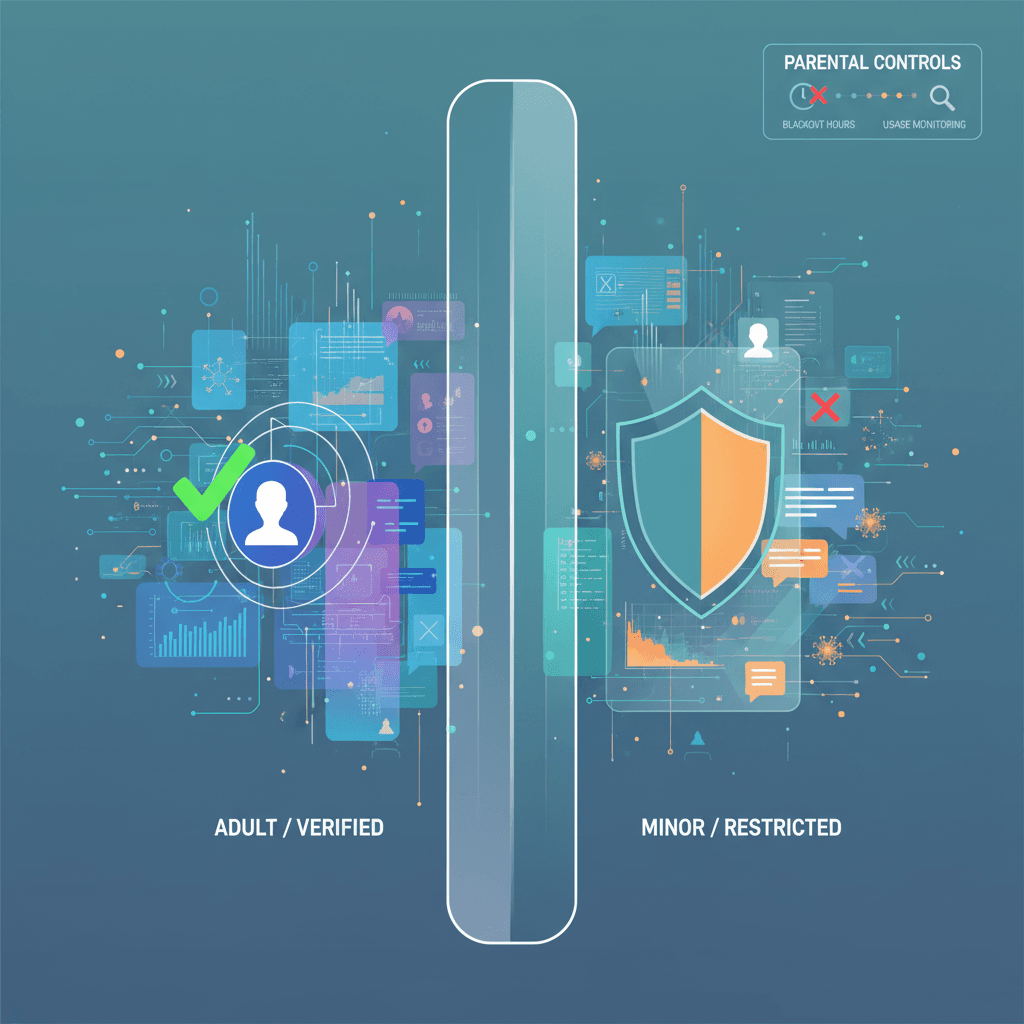
OpenAI has launched a sophisticated new age prediction system across its ChatGPT platform, a landmark move designed to create segmented user experiences by applying stringent safeguards for minors while granting greater content freedom to verified adults. The initiative, which relies on a multi-layered approach combining machine learning-driven behavioral analysis with biometric-backed identity checks, marks a significant inflection point for the AI industry's approach to safety, regulation, and user autonomy. The company's explicit goal is to navigate the complex trade-off between maximizing the utility of its powerful generative AI for adult users and fulfilling its duty of care to protect young people from potential harms, a balance increasingly demanded by lawmakers and the public alike[1][2][3].
At the heart of the new system is an age prediction model built to estimate whether an account belongs to someone under 18 years of age. This initial layer of defense operates by analyzing a combination of behavioral and account-level signals, moving far beyond a simple self-declared birthdate during signup[4][2]. The proprietary algorithm scrutinizes patterns such as typical times of day for activity, the total duration an account has existed, and the topics of conversation, looking for subtle linguistic cues like slang versus formal tone that may indicate a user's maturity level[4][2]. Crucially, the system is engineered to err on the side of caution: if the model is uncertain about a user's age or has incomplete data, it will automatically default the account to the more restrictive, under-18 experience[4][5][6]. This policy reflects a strategic prioritization of minor safety over unfettered adult access or privacy, a stance the company has articulated to regulators[1][7].
For adult users who find themselves incorrectly placed in the restricted teen environment, the company has established a fast-track age verification process handled by trusted third-party identity verification services, such as Persona or Yoti[8][7][9]. This process typically involves a live selfie-verification, a "liveness check" that maps the 3D geometry of the face to prevent fraud, or the submission of a government-issued ID like a driver's license or passport[8][7]. The company has emphasized a privacy-preserving protocol for this process; the third-party provider deletes the sensitive biometric data or ID photo within hours of verification, and OpenAI itself only receives a confirmed date of birth or age prediction, never the actual identity documents[8][10][9]. Successfully verifying one's age as 18 or older not only removes the default teen safeguards but also potentially opens the door to future content segmentation, as the company has signaled plans to introduce "adult-verified" features, which could include previously restricted content like erotica[7][10].
Once an account is classified as belonging to a minor, a comprehensive suite of safeguards is automatically activated, creating an age-appropriate experience designed to shield young users from psychological and emotional harm[11][2]. The core large language model itself is trained to enforce stricter content policies for teens[12][6]. These protections actively limit a teen's exposure to content relating to graphic violence or gore, viral challenges that could encourage risky or harmful behavior, and interactions that promote extreme beauty standards, unhealthy dieting, or body shaming[8][11]. Furthermore, the model is strictly trained not to engage in sexual, romantic, or violent role-play, nor will it participate in discussions about self-harm or suicide, even if the user frames the request within a fictional or creative writing context[1][3].
Complementing the automatic content filtering is a robust set of parental controls, allowing guardians to directly manage their teen’s engagement with the AI[11][5][6]. Parents and teens (ages 13 and up) can link their accounts via an invitation, a process that enables a centralized control panel for the adult[11][3]. This dashboard allows parents to adjust settings such as turning off the AI’s memory feature, which prevents conversations from being saved or used for future model training, and disabling the ability to generate or edit images and use voice mode[11]. One of the most significant new features is the ability for parents to set "blackout hours," restricting the teen's access to the chatbot during specified times, addressing concerns about excessive usage and late-night interaction patterns[11][5][6]. Perhaps the most critical safeguard is a new crisis intervention protocol, where the system is designed to proactively notify parents when its trained reviewers and AI systems detect signs of a teen user in "acute distress," such as expressing suicidal thoughts[11][6]. In the rare and severe circumstance where there is an imminent risk of harm and parents cannot be reached, the company has stated it is prepared to involve law enforcement as a last-resort measure[12][6].
The rollout of this age prediction technology is not merely a product update; it represents a major industry pivot catalyzed by growing regulatory and legal pressure[13]. The decision follows high-profile events, including a lawsuit alleging that a teenager's suicide was influenced by prolonged, harmful interactions with the chatbot, and an active inquiry by the United States Federal Trade Commission into the potential harms of AI chatbots on minors[11][13][14][3]. By deploying a sophisticated, AI-driven method of user segmentation, OpenAI is establishing a new standard for how AI platforms manage user safety and content governance[13][10]. This tiered access approach signals a new era where AI companies must demonstrate proactive measures to comply with evolving global legislation, such as the UK’s Online Safety Act and the EU’s AI Act, which mandate stricter guardrails for children online[7][10]. The underlying philosophical choice to prioritize minor safety over the absolute privacy and freedom of all users sets a powerful precedent, challenging other major AI developers to adopt similarly rigorous, multi-layered safety protocols[12][1][13].
Ultimately, OpenAI’s implementation of age prediction technology redefines the social contract between powerful AI systems and their users. It reflects a growing recognition that a one-size-fits-all approach to content moderation is untenable for a technology as versatile and influential as generative AI. While the system's reliance on behavioral profiling raises inevitable questions about data privacy and the accuracy of machine learning in judging identity, the company's commitment to verifiable age checks and robust parental controls offers a concrete framework for mitigating the most serious risks facing young users today[8][4]. The long-term success of this approach will depend on the real-world accuracy of its prediction model and the continuous refinement of its crisis intervention protocols, but the step firmly cements the concept of differentiated, age-gated AI experiences as the future industry standard.[13][6].
Sources
[1]
[2]
[3]
[4]
[5]
[8]
[9]
[11]
[12]
[13]
[14]