
Microsoft secures massive Texas AI data center site after Oracle and OpenAI partnership stalls
Microsoft secures 700 megawatts in Texas after Oracle’s OpenAI project stalls, anchoring the physical infrastructure for the AI race.
March 24, 2026
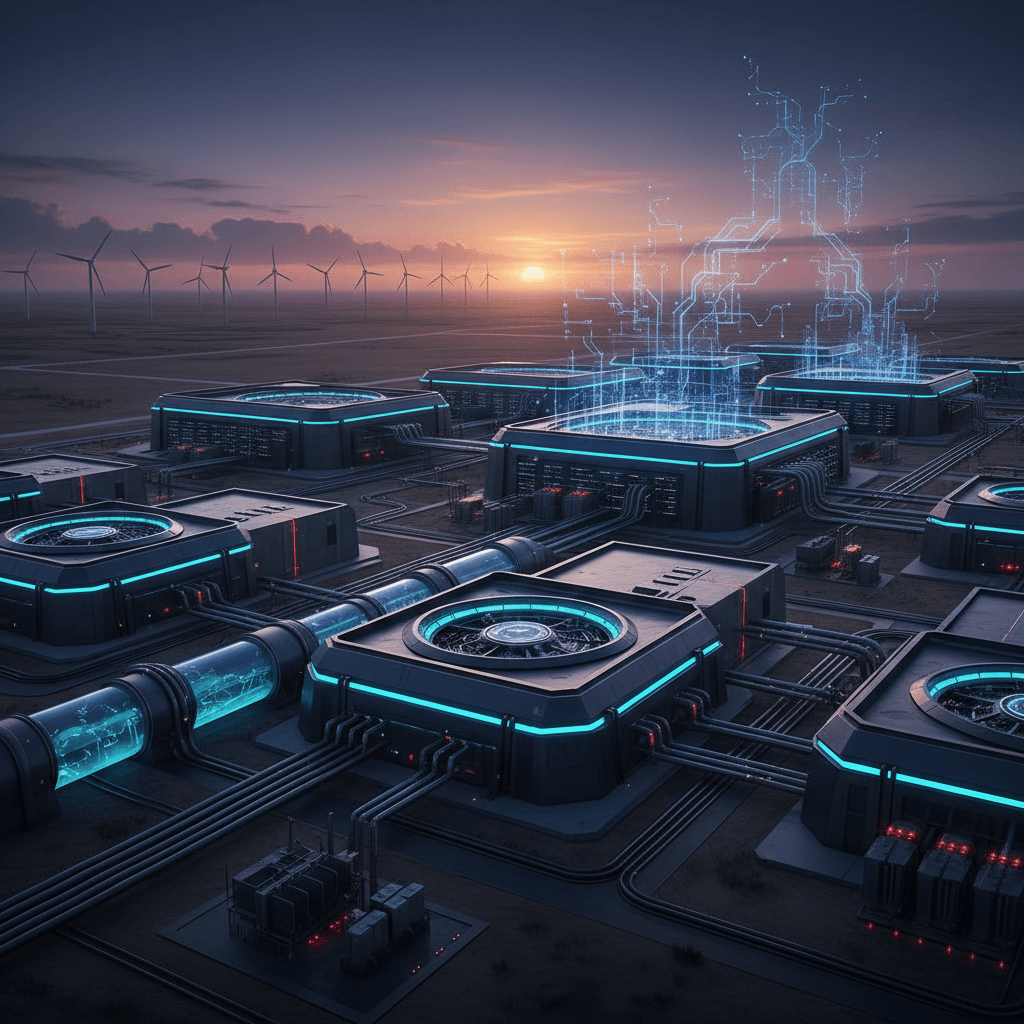
Microsoft has finalized a significant long-term lease for a massive data center project in Abilene, Texas, effectively stepping into a space that was previously earmarked for a landmark partnership between Oracle and OpenAI.[1] The facility, situated on the Lancium Clean Campus, represents a strategic pivot in the global race for artificial intelligence infrastructure.[2] By securing this site, Microsoft reinforces its position as the primary architect of the physical backbone required to train and deploy the next generation of large-scale AI models. The deal involves approximately 700 megawatts of capacity, a substantial addition to Microsoft’s already sprawling digital estate.[1] This move comes at a time when the demand for high-performance computing power has reached an inflection point, forcing hyperscalers to aggressively secure land and electricity wherever they can find them.
The Abilene site was originally intended to be a cornerstone of a multi-billion-dollar infrastructure initiative known as Stargate, a collaborative vision involving OpenAI and Oracle.[3][4][5][6] This project was designed to host hundreds of thousands of high-end graphics processing units, specifically the Nvidia Blackwell and H100 chips, to support OpenAI’s increasingly complex computational needs. However, negotiations between Oracle and the site developers reportedly stalled over a complex mix of financing arrangements, shifting capacity requirements from OpenAI, and technical hurdles related to the site’s reliability.[7][8] Reports indicated that recent extreme weather events in West Texas had previously disrupted the liquid cooling systems at the facility, causing friction between Oracle and the campus infrastructure providers. As the initial agreement cooled, Microsoft moved to secure the capacity for its own cloud business and to potentially provide the very resources OpenAI requires through the Microsoft Azure ecosystem.
The technical specifications of the Abilene campus highlight the changing nature of data center design in the AI era. Developed by Lancium in partnership with Crusoe Energy Systems, the campus is built to handle the extreme power density and heat signatures of modern AI workloads. Unlike traditional data centers that rely heavily on air cooling, this facility utilizes advanced liquid cooling technologies, including direct-to-chip systems and rear-door heat exchangers, to maintain the performance of high-density server racks.[3] The site is uniquely positioned to leverage the deregulated Texas energy market and the region’s abundance of wind and solar power. Lancium’s infrastructure is designed to be grid-responsive, meaning the data center can adjust its power consumption dynamically to help stabilize the Texas power grid during periods of peak demand.[3] This capability is increasingly essential as the sheer volume of electricity required by AI projects threatens to overwhelm regional utility networks.
Microsoft’s acquisition of this lease is a physical manifestation of its staggering capital expenditure strategy. The company has publicly signaled its intent to invest upwards of $80 billion annually in data center development and AI hardware to keep pace with the exponential growth of generative AI.[9][10] By taking over the Abilene project, Microsoft is not merely adding square footage; it is securing a strategic foothold in a region that has become a new frontier for digital infrastructure. The competition for such sites is fierce, with Meta Platforms also reportedly expressing interest in the Abilene expansion before Microsoft finalized the agreement. For Microsoft, the move ensures that it maintains a lead over its rivals by controlling the hardware availability that OpenAI and other key partners rely on. It also suggests a preference for the consolidated control of large-scale "super-clusters" rather than fragmented server deployments across various regions.
The implications for the city of Abilene and the broader West Texas region are profound, transforming a community traditionally known for cattle and oil into a vital node of the global technology economy. The development of the Lancium Clean Campus has already triggered significant local investment, with thousands of construction jobs and hundreds of permanent roles for engineers and technicians. However, the rapid influx of high-tech investment has also brought challenges typical of the industry’s "gold rush" mentality. Local infrastructure, from housing to emergency services, has faced unprecedented strain as the project accelerates. Despite these growing pains, the presence of two of the world’s most powerful tech companies—Microsoft and Oracle—at the same campus marks Abilene as one of the few places on Earth capable of supporting gigawatt-scale computing.
From an industry perspective, this transition underscores the volatility and high stakes of AI infrastructure planning. The fact that an initial plan involving a partnership as high-profile as Oracle and OpenAI could fall through highlights the immense difficulty of coordinating the energy, hardware, and capital required for today’s AI factories. It also reveals the shifting dynamics between the major cloud providers. While Oracle remains a key partner for OpenAI, Microsoft’s ability to quickly absorb the vacated capacity demonstrates its superior financial liquidity and its deep integration with the infrastructure supply chain. Microsoft’s willingness to manage the technical and financial risks that deterred Oracle indicates a "win at all costs" approach to the compute race, where the primary objective is to eliminate any potential bottleneck in hardware availability.
Furthermore, the focus on Texas as a primary hub for AI reflects a broader geographic shift in the data center industry. Traditional hubs like Northern Virginia and Silicon Valley are facing severe power shortages and increasingly restrictive regulatory environments. Texas, with its vast tracts of land, pro-business climate, and unique power grid, offers a path of least resistance for projects that require gigawatt-level commitments. The Abilene facility’s use of "stranded" or renewable energy further aligns with the industry’s need to balance massive power consumption with corporate sustainability goals. As AI models continue to scale in size and complexity, the ability to build and operate these "megasites" will distinguish the leaders of the AI era from the rest of the pack.
Ultimately, Microsoft’s move to snap up the Abilene data center project is more than a simple real estate transaction; it is a tactical maneuver in a global struggle for technological dominance. By filling the vacuum left by Oracle and OpenAI’s stalled expansion, Microsoft has secured the physical space necessary to sustain the current momentum of AI development. The facility will likely serve as a primary testing ground for the most advanced hardware currently coming off production lines, providing the raw power needed to move beyond current large language models toward more sophisticated forms of artificial intelligence. As the physical buildings on the Lancium Clean Campus reach completion, they will stand as a monument to the unprecedented scale of the AI boom and the relentless ambition of the companies driving it forward. This transition ensures that even as individual partnerships fluctuate, the build-out of the world’s most powerful computing cluster continues unabated.