
Meta slashes 20 percent of staff to fund a $600 billion artificial intelligence pivot
Meta prepares to slash 16,000 roles to bankroll a massive $600 billion infrastructure bet on artificial intelligence dominance.
March 14, 2026
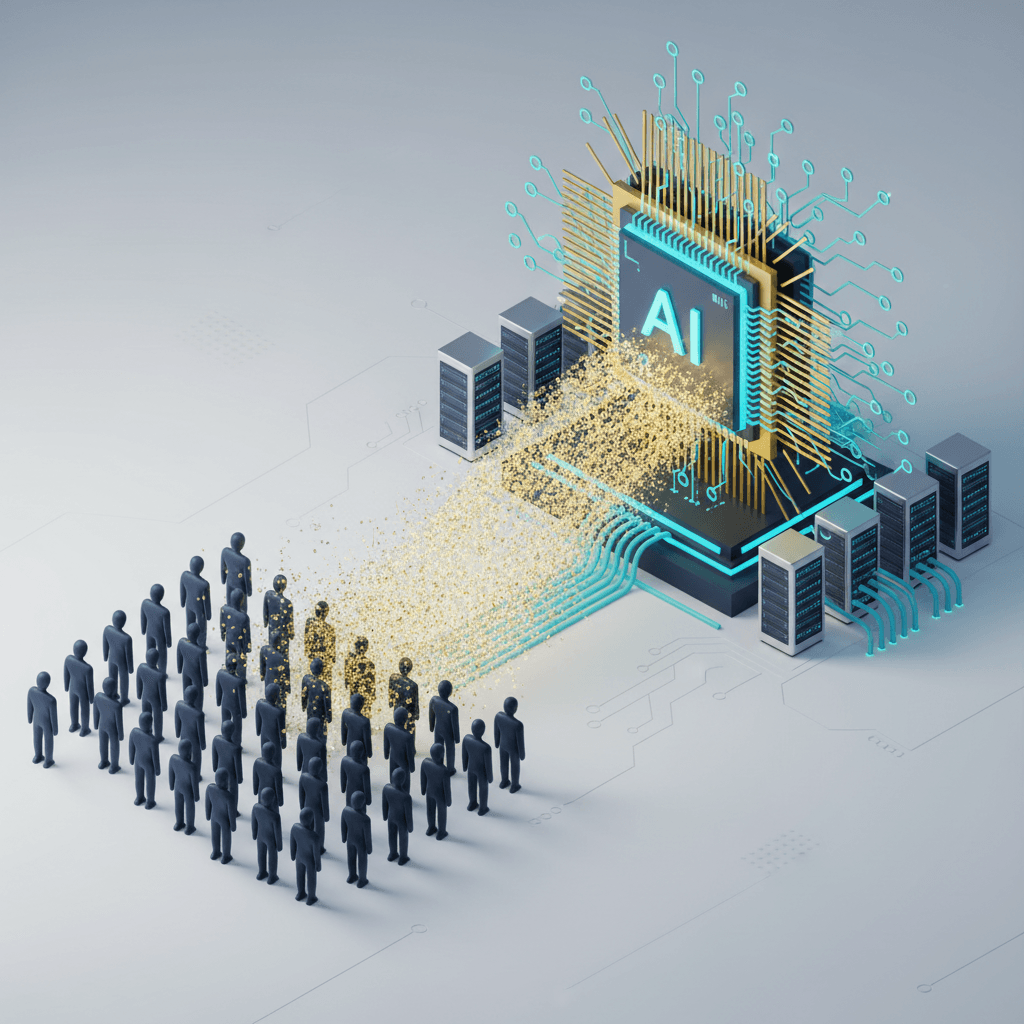
Meta Platforms is reportedly preparing for a transformative restructuring that could see its global workforce reduced by as much as 20 percent, a move necessitated by the staggering costs of the company’s pivot toward artificial intelligence.[1][2][3][4][5] This potential reduction, which would represent the most significant staff cull in the social media giant’s history, highlights the growing tension between Silicon Valley’s race for technological supremacy and the financial discipline required to fund it. Internal estimates suggest that as many as 16,000 employees out of Meta’s roughly 79,000-strong workforce could be affected as the company seeks to redirect billions of dollars from its payroll toward an unprecedented $600 billion infrastructure and research bet.[2][4][5]
The catalyst for this proposed workforce reduction is a massive multi-year capital expenditure plan intended to solidify Meta’s position as a leader in generative AI and superintelligence.[3] CEO Mark Zuckerberg has recently signaled a shift from the previous Year of Efficiency into a more aggressive era of AI dominance, with the company projecting capital expenditures for 2026 alone to reach between $115 billion and $135 billion.[6] This surge in spending is primarily directed toward the physical backbone of the AI era, including the construction of specialized data centers, the procurement of millions of high-end Nvidia Blackwell and Rubin GPUs, and the development of custom silicon through Meta’s internal MTIA chip program. Management has characterized this spending as front-loading capacity, arguing that the company must secure the necessary compute resources now to prepare for the most optimistic scenarios of AI development over the next decade.[7]
However, the scale of this investment has created significant pressure on Meta’s financial health, even as its advertising revenue remains robust. Recent quarterly reports show that while revenue has grown by more than 20 percent, operating margins have begun to compress, falling from nearly 50 percent to the low 40s as infrastructure costs and energy demands skyrocket. Investors, while enthusiastic about the potential for AI-driven ad performance and user engagement, have expressed caution regarding the impact of these expenditures on free cash flow. By reducing its headcount by 20 percent, Meta aims to reclaim billions in annual operational expenses, effectively treating its human workforce as a secondary priority to its silicon and energy requirements.
The planned layoffs also reflect a fundamental change in how Meta views the relationship between labor and technology.[1] Zuckerberg has recently commented on the efficiency gains provided by AI-assisted workflows, noting that projects which previously required large, multi-layered departments can now be accomplished by significantly smaller teams or even single individuals utilizing advanced AI coding tools.[1] This sentiment is being institutionalized through a new engineering structure that reportedly aims for manager-to-employee ratios as lean as one to 50. In this new organizational paradigm, the company is prioritizing "superintelligence" researchers and specialized AI engineers while trimming roles in middle management, legacy social media products, and parts of the Reality Labs division that are not directly aligned with immediate AI objectives.
This workforce contraction is not happening in isolation but mirrors a broader trend across the technology sector, where companies are increasingly trading human capital for compute power.[5] Industry peers like Amazon and Block have recently executed similar strategies, citing the growing capabilities of AI agents to replace routine administrative and technical tasks. Meta’s pivot is further evidenced by its recent aggressive acquisition strategy, which includes the purchase of the AI agent platform Moltbook and significant investments in international AI startups.[1][3][4] These moves suggest that the company is less interested in maintaining its pandemic-era size and more focused on acquiring the specific intellectual property and specialized talent needed to develop its next-generation models.
The internal shift has not been without technical challenges. While Meta continues to push the boundaries of its large language models, including its Llama series, reports have surfaced regarding the difficulties of maintaining performance at such a massive scale.[1] The development of its latest flagship models has been described by some analysts as reaching a trough of disillusionment, as the company navigates the transition from general-purpose assistants to more complex "agentic" systems. By thinning its non-core workforce, Meta is betting that a leaner, more focused organization will be more agile in overcoming these technical hurdles, even as it faces intense competition from Google, Microsoft, and OpenAI.
For the employees who remain, the work environment is expected to shift toward an AI-first culture where productivity is measured by the ability to leverage automated tools. This transition marks the definitive end of the social media era's focus on rapid hiring and expansive corporate campuses. Instead, Meta is reinventing itself as a digital utility and infrastructure provider, where the primary assets are no longer the number of engineers on the payroll, but the tens of gigawatts of power and millions of chips under its control. The human cost of this transformation is immense, yet from the perspective of the company's leadership, it is viewed as an unavoidable prerequisite for surviving the next technological paradigm.
As Meta navigates this high-stakes gamble, the eyes of the global financial market and the tech industry remain fixed on its ability to maintain growth while its core structure is hollowed out. If the strategy succeeds, Meta could emerge as the dominant player in an automated economy, having successfully repurposed its social media profits into the world's most powerful AI engine. If it fails, the company risks losing its cultural and operational edge, leaving it with a massive infrastructure debt and a diminished workforce unable to support its aging platforms. Regardless of the outcome, Meta’s plan to cut 20 percent of its staff to fuel a $600 billion AI engine serves as a stark reminder that in the age of artificial intelligence, the most valuable resource is no longer the human mind, but the machines that seek to replicate it.