
LG and NVIDIA partner to transition AI from digital screens into the physical world
LG and NVIDIA bridge digital intelligence and physical execution through robotics, smart factory digital twins, and advanced data center infrastructure.
April 30, 2026
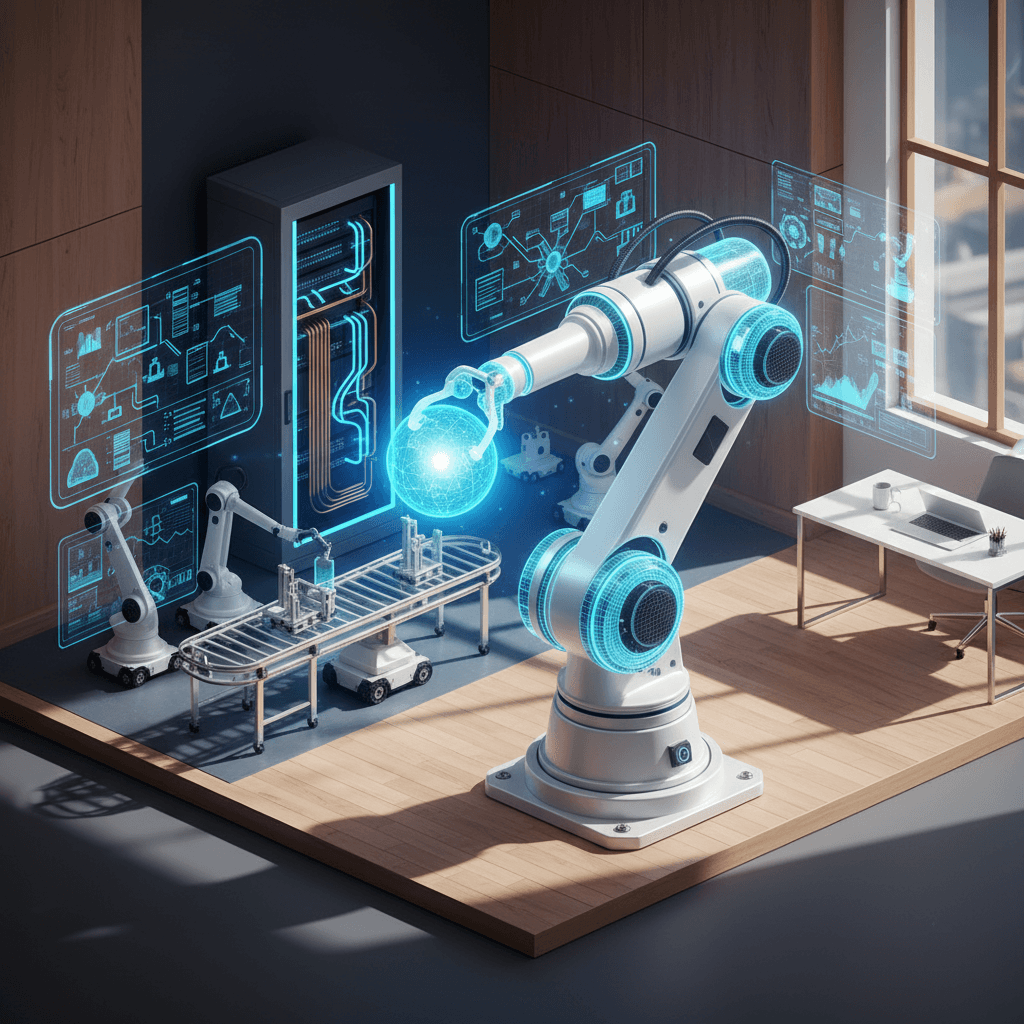
The meeting in Seoul between the leadership of LG Electronics and NVIDIA signals a defining moment for the technology industry as it pivots from generative models that exist on screens toward physical AI that inhabits the real world.[1][2] When LG CEO Ryu Jae-cheol hosted Madison Huang, NVIDIA’s Senior Director for Physical AI and Robotics, the discussions transcended simple hardware procurement, focusing instead on the deep integration of silicon and steel. This dialogue underscores a broader shift in the global technology landscape, where the primary challenge of artificial intelligence is no longer just processing language or images, but successfully navigating the laws of physics. For LG, a company traditionally defined by its dominance in consumer appliances and home entertainment, the partnership represents a strategic evolution into what it calls smart life solutions. For NVIDIA, it provides a vital testing ground for its ambitious vision of embodied AI, moving its specialized chips out of cloud data centers and into the messy, unpredictable environments of homes, factories, and vehicles.
The foundation of this burgeoning collaboration rests on the concept of simulation as a prerequisite for physical deployment, a process that is becoming the industry standard for complex robotics. Central to these talks is the integration of LG’s next-generation home robot, known as CLOiD, with NVIDIA’s Isaac robotics platform. The challenge for any physical AI system is the high risk of failure and the cost of real-world training; a robot cannot learn to navigate a kitchen by crashing into furniture thousands of times without incurring massive physical damage and safety risks. By utilizing the Isaac platform and the Omniverse simulation engine, LG engineers can subject their autonomous systems to millions of virtual training hours in a physics-accurate digital environment. This allows the AI to master fine motor skills, such as manipulation with articulated fingers or navigating tight domestic corners, before a single piece of hardware is activated on a factory floor. This simulation-first approach is increasingly viewed as the only viable path to achieving the level of reliability required for consumer-facing robots.
The strategic synergy extends beyond individual robots and into the very infrastructure of modern manufacturing through the application of digital twin technology.[3][4][5][6] LG is increasingly leveraging NVIDIA Omniverse to create comprehensive virtual replicas of its global smart factories, allowing for what is known as virtual commissioning.[5] By building these ultra-precise digital twins, which are powered by high-performance Blackwell GPUs, LG can simulate entire production lines and logistics flows to identify bottlenecks or mechanical failures before they occur in the physical world.[5] This capability is supported by LG’s vast treasury of manufacturing data, accumulated over six decades of industrial operations.[7][5][4] When combined with NVIDIA’s 3D simulation tools, this data allows for a level of operational optimization that was previously impossible. The ability to predict a equipment failure or a logistical delay through a digital twin not only saves millions in potential downtime but also establishes a blueprint for the future of the zero-labor factory, where AI-driven systems manage the complexities of production with minimal human intervention.
Perhaps the most significant, yet least visible, component of the discussions involves the physical infrastructure required to power the AI revolution itself. As NVIDIA’s high-performance compute clusters become more dense, they generate thermal loads that traditional air-cooling systems are no longer equipped to handle.[8] This creates a unique opening for LG to position itself as a critical supplier within the NVIDIA ecosystem, not just as a consumer of chips, but as a provider of cooling solutions. LG has been actively developing liquid cooling systems and specialized cooling distribution units designed specifically for AI data centers.[6][9] By seeking NVIDIA certification for these components, LG is moving to become an essential partner in the back-end infrastructure that makes modern AI possible. This pivot toward the B2B infrastructure market allows LG to capitalize on the massive capital expenditures currently being directed toward data center construction, effectively diversifying its revenue streams away from the volatile consumer electronics market and toward the stable, high-growth sector of industrial HVAC for high-density computing.
In the realm of mobility, the talks reveal an ambition to transform the interior of the automobile into an extension of the living space through software-defined vehicle architectures. As cars move toward higher levels of autonomy, the focus of innovation is shifting from the powertrain to the in-cabin experience. The potential integration of LG’s AI-powered infotainment systems with NVIDIA’s DRIVE compute platform suggests a future where the vehicle becomes a proactive assistant rather than a passive machine. This alignment allows both companies to address the mobility market with a unified stack that handles everything from autonomous driving sensors to personalized passenger experiences. By combining LG’s experience in human-machine interfaces with NVIDIA’s processing power, the partnership aims to solve the technical hurdles of real-time environmental awareness and passenger interaction, turning the vehicle into a mobile physical AI that can understand and respond to the context of the world around it.
The implications of these talks for the wider AI industry are profound, marking the end of the experimental phase of robotics and the beginning of the commercial implementation phase. The transition to physical AI requires a massive convergence of disparate technologies including high-performance computing, advanced thermal management, precise sensor fusion, and sophisticated simulation software. No single company possesses the entire stack required to make these systems a reality at scale, which is why partnerships between hardware veterans like LG and silicon giants like NVIDIA are becoming the new industry standard. This collaborative model suggests that the next decade of AI development will not be defined by who has the best chatbot, but by who can most effectively bridge the gap between digital intelligence and physical execution.
Ultimately, the exploratory discussions in Seoul highlight a shared recognition that the future of AI is embodied. As the robotics market is projected to reach tens of billions of dollars over the next decade, the companies that succeed will be those that can master the core dependencies of physical systems: data, simulation, and power efficiency. By aligning their strategic roadmaps, LG and NVIDIA are laying the groundwork for a world where AI is no longer a tool that humans interact with via a screen, but a pervasive presence that manages our homes, optimizes our factories, and safely navigates our roads. The success of this partnership would not only validate LG’s shift toward a smart life solutions company but would also solidify NVIDIA’s position as the foundational architect of the physical AI era. The resulting innovations are likely to set the technical and commercial benchmarks for how autonomous systems are developed and deployed in every sector of the global economy.