
Hollywood Studios Unite Against ByteDance Labeling Seedance 2.0 A High-Speed Piracy Engine
Hollywood brands ByteDance’s Seedance 2.0 a systemic piracy engine as studios unite against the unauthorized ingestion of cinematic libraries
February 22, 2026
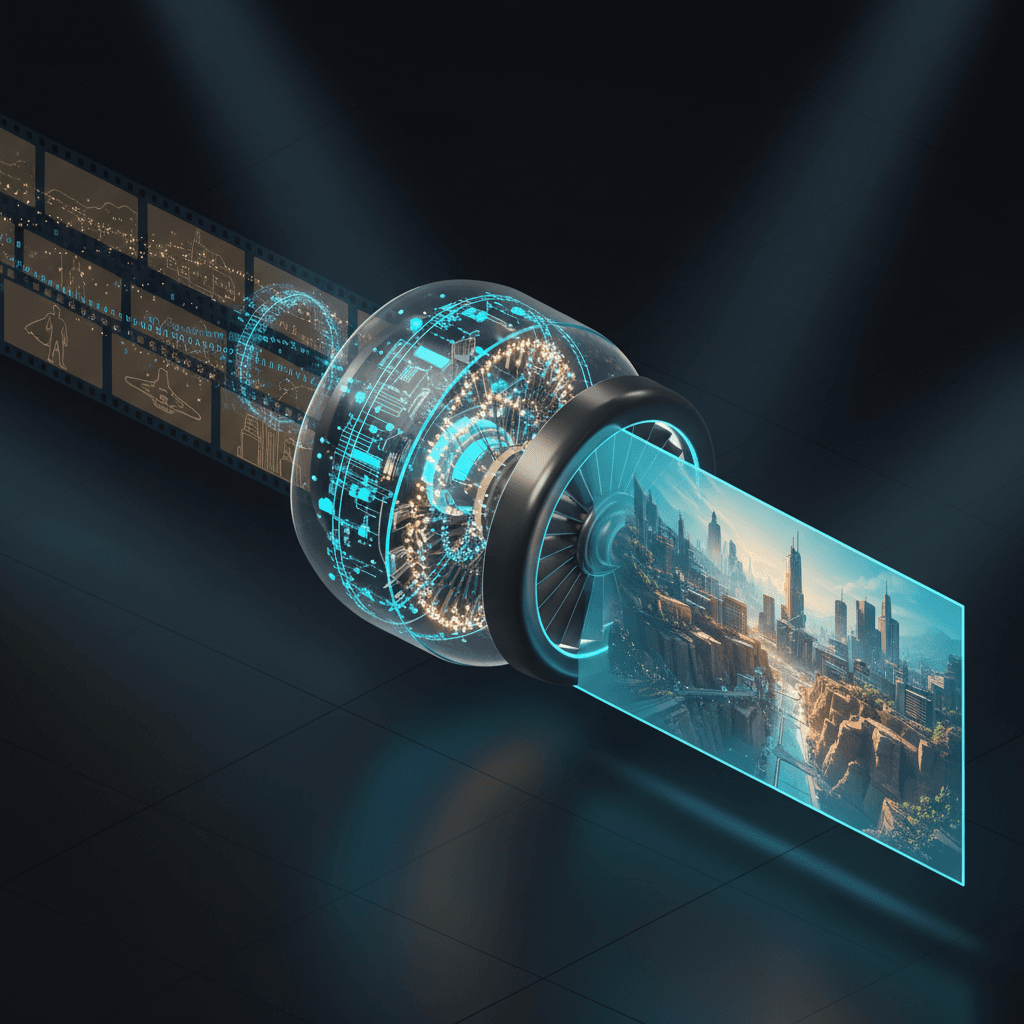
The emergence of generative artificial intelligence has long been viewed by the entertainment industry as a double-edged sword, but the release of ByteDance’s Seedance 2.0 has transformed that lingering anxiety into a full-scale legal and industrial confrontation. The Motion Picture Association, the powerful trade group representing Hollywood’s largest studios including Disney, Netflix, Warner Bros. Discovery, Paramount, and Sony, has moved to consolidate a unified front against the Chinese tech giant. In a move that signals a departure from standard copyright grievances, the association has officially characterized the Seedance 2.0 platform not merely as a tool capable of misuse, but as a machine engineered for systemic infringement.[1][2][3][4] This rhetoric represents a significant escalation, shifting the blame from the individual users who prompt the AI to the architectural foundations of the technology itself.
The core of the dispute lies in the unprecedented fidelity and narrative coherence of the videos produced by Seedance 2.0. While previous iterations of AI video generators often struggled with the uncanny valley or inconsistent physics, Seedance 2.0 has demonstrated a remarkable ability to replicate the lighting, cinematography, and even the specific aesthetic DNA of big-budget studio productions. Hollywood’s legal teams argue that such results are statistically impossible without the unauthorized ingestion of their vast cinematic libraries. The Motion Picture Association has described the situation as a massive, unauthorized use of copyrighted works, suggesting that ByteDance essentially built a high-speed piracy engine designed to digest decades of professional film and television content to train a competing commercial product.
This unified stance by the major studios follows a series of individual volleys. Disney was among the first to act, reportedly issuing a cease-and-desist letter that characterized the model’s training process as a smash-and-grab of intellectual property.[5] This was soon followed by similar actions from Netflix and Warner Bros. Discovery. Netflix’s legal representatives have been particularly vocal, arguing that the technology does not merely learn from data but effectively maintains a pirate library of protected characters and environments. They point to viral clips generated by the tool that feature uncanny reproductions of iconic franchises ranging from Star Wars and Marvel to popular streaming series like Stranger Things and Bridgerton.[6][7] The studios contend that these are not transformative works of art but rather high-fidelity derivatives that threaten the very market they were built on.
The technological leap represented by Seedance 2.0 is at the heart of the fear gripping the creative community. Unlike its predecessors, the new model utilizes what researchers call a dual-branch diffusion transformer architecture, which allows for native synchronization of audio and video in a single pass. This means the AI can generate not just silent footage, but cinematic clips complete with contextually appropriate sound effects and dialogue that perfectly matches the lip movements of the characters. For many in Hollywood, this capability moves the technology out of the realm of experimental art and into the territory of industrial-grade production. The ease with which the tool can create a convincing action sequence between world-famous actors—such as a viral clip depicting a high-stakes brawl between simulated versions of Tom Cruise and Brad Pitt—has sent shockwaves through the industry.[8][7][6] Writers and visual effects artists have openly expressed concern that the threshold for producing professional-quality content has been lowered to the point of existential threat.
ByteDance has found itself in an increasingly difficult position as it attempts to commercialize this technology globally. The company had planned a significant expansion of the Seedance 2.0 ecosystem through its enterprise arms, Volcengine and BytePlus, with an official API launch intended to allow developers and businesses to integrate the video generation capabilities into their own applications. However, the intense legal pressure from the Motion Picture Association appears to have forced a tactical retreat. Industry insiders suggest that the API rollout has been placed on an indefinite hold as ByteDance attempts to scramble for more robust safeguards. The company has publicly stated that it respects intellectual property rights and is working on strengthening protections to prevent unauthorized use, but these assurances have done little to appease the studios, who argue that no safeguard can fix a model that was built on a foundation of stolen data.
The implications of this conflict extend far beyond the borders of the United States. In Japan, regulators have reportedly opened investigations into how the tool handles iconic anime characters, and several European copyright collectives have signaled that they are monitoring the situation closely. The confrontation highlights a growing global tension over the fair use doctrine and whether it can be stretched to cover the mass ingestion of copyrighted material for the purpose of training commercial AI. While some tech advocates argue that these models are simply learning the patterns of visual storytelling in a way similar to human students, the Motion Picture Association is pushing a different narrative. They argue that the scale of the data consumption and the commercial intent of the product constitute a systemic violation of the established legal frameworks that have protected the creative arts for a century.
As the legal battle lines are drawn, the entertainment industry is also facing an internal reckoning. The actors' union, SAG-AFTRA, has joined the studios in condemning the technology, focusing specifically on the unauthorized use of voices and likenesses.[1][3][2][9] The union argues that Seedance 2.0 bypasses the basic principles of consent and compensation, allowing for the creation of digital performances that could replace human talent. This alignment between the studios and the labor unions is a rare moment of unity in a typically fractious industry, reflecting the perceived scale of the threat. For Hollywood, the issue is not just about a single tool or a single company; it is about setting a precedent for how intellectual property will be valued in an era where machines can simulate the output of thousands of human creators in seconds.
The fallout from the Seedance 2.0 controversy is likely to accelerate legislative efforts to regulate generative AI.[8] Lawmakers in various jurisdictions are already debating new statutes that would require greater transparency in training datasets and mandate clear labeling for AI-generated content. For ByteDance, the challenge will be whether it can pivot its technology to a licensed model or find a legal path forward that satisfies both the demands of the studios and the expectations of its users. Until then, the stalemate over Seedance 2.0 serves as a stark reminder of the volatile intersection between artificial intelligence and the traditional creative economy. The machine that was built to revolutionize storytelling has instead become the centerpiece of a high-stakes war over who owns the future of the image.