
China restricts overseas travel for private sector AI researchers to guard technological secrets
Beijing treats private-sector tech innovators as strategic national assets, restricting travel to shield its most advanced algorithmic secrets.
May 26, 2026
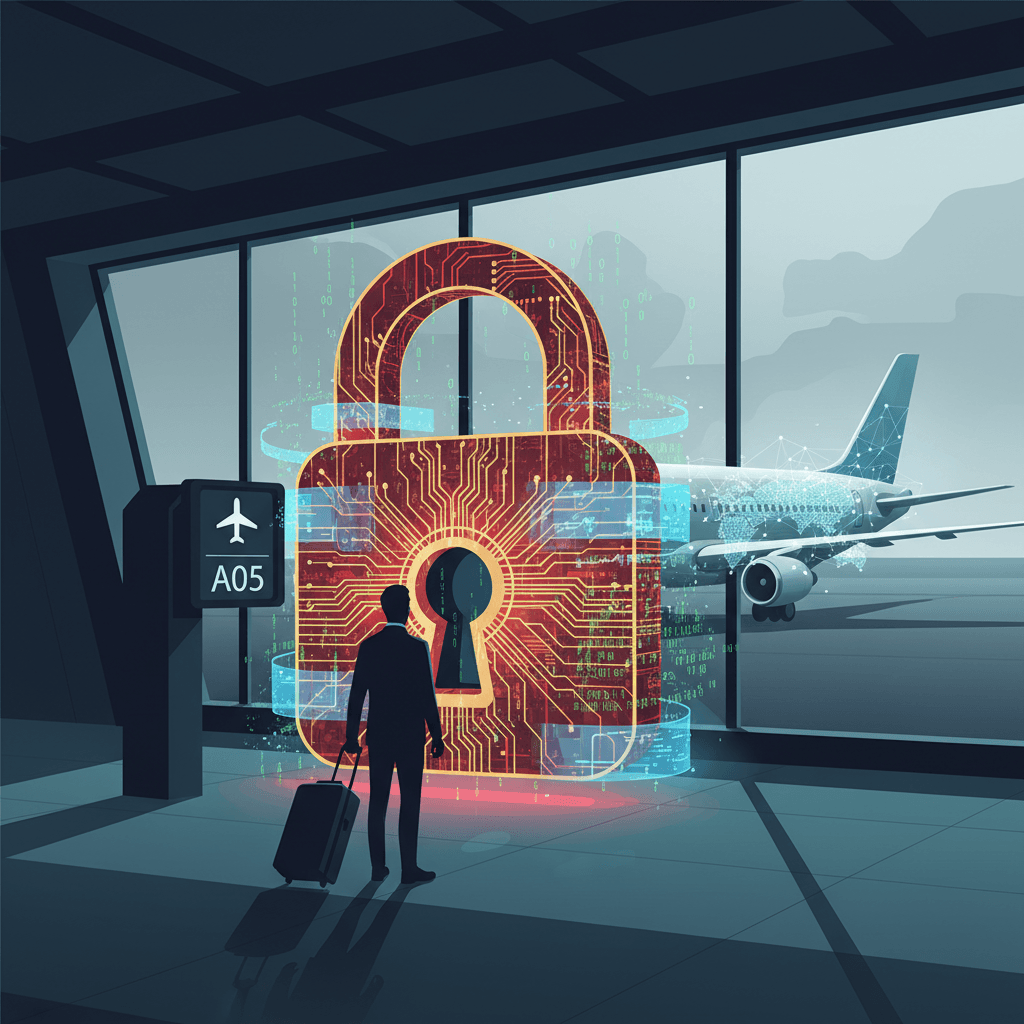
In an escalation of its efforts to secure technological dominance and protect vital intellectual assets, China has reportedly begun restricting overseas travel for top artificial intelligence researchers and executives working in the private sector. Individuals employed by high-profile domestic technology giants and rising startups, including Alibaba Group Holding and DeepSeek, are now required to obtain official government approval before traveling outside the country[1][2]. This regulatory expansion signals a profound shift in how Beijing views its domestic technology workforce, transforming private sector innovators from free agents in a global market into strategic national assets[1][3]. As the geopolitical race for AI supremacy accelerates, Chinese authorities are tightening their grip on the movement of people who hold the keys to the country’s most advanced software and algorithmic secrets[1][4].
Historically, travel controls within China have been reserved for state-owned enterprise executives, high-ranking Communist Party officials, and scientists working in traditionally sensitive defense sectors like nuclear physics and aerospace[1]. The extension of these administrative measures to private tech firms represents an unprecedented intrusion into the commercial AI ecosystem[1][5]. Government agencies are selecting individuals for these restrictions based on a calculated assessment of their strategic importance to national interests rather than their organizational seniority or job titles alone[6]. This means that young engineers at the forefront of large language model development, alongside startup founders and senior executives, are being placed on restrictive watchlists[1][5]. The mechanism of control relies heavily on administrative pressure and opaque directives, avoiding public statutory changes while effectively subjecting the international mobility of the nation's brightest minds to state clearance[3].
The travel curbs reportedly began as quietly enforced measures targeting executives at DeepSeek before expanding across the wider private artificial intelligence landscape[3]. DeepSeek, which achieved international prominence by developing highly competitive models that rivaled Western counterparts, has become a crown jewel in China's domestic tech sector[7]. Alibaba has similarly positioned itself as an AI powerhouse, pouring massive resources into proprietary and open-source models to anchor the country’s independent digital infrastructure. By subjecting personnel at these firms to mandatory pre-approval, Chinese authorities are attempting to lock down the critical human capital driving these innovations[6][3]. Under the new protocol, those placed on the restriction lists must disclose their detailed travel itineraries, the purpose of their trips, and the individuals they plan to meet, followed by comprehensive debriefings upon their return to China[8][9].
This systemic lockdown is deeply rooted in escalating geopolitical tensions between Washington and Beijing, where artificial intelligence is increasingly viewed through the lens of national security[2][10]. Previously, Chinese authorities had issued voluntary advisories suggesting that top AI entrepreneurs and researchers avoid traveling to the United States and its close allies[9]. These recommendations were driven by deep-seated fears that Chinese scientists could face detention by Western law enforcement under the pretext of sanctions violations or espionage, with Chinese officials drawing parallels to past high-profile arrests of tech executives abroad[8][9]. Beyond the fear of legal jeopardy, Beijing is profoundly concerned about technology theft, data leaks, and intellectual property migration[11][12]. These anxieties were recently exacerbated by high-profile cases where AI startups founded by Chinese nationals relocated their headquarters to neutral hubs like Singapore, only to be acquired by major American tech corporations[2]. To Chinese regulators, such corporate migrations represent a direct loss of heavily subsidized domestic innovation to geopolitical rivals, prompting an aggressive crackdown on the outflow of talent and proprietary code[2].
The timing of these restrictions is particularly delicate for China's AI industry, which has recently benefited from a substantial reverse migration of highly skilled scientists[7]. Over the past few years, a growing number of elite researchers who received undergraduate educations in China and subsequently earned doctorates or worked at prestigious Western institutions like Google DeepMind, OpenAI, and Nvidia have returned to lead teams at Chinese tech giants[7]. This influx of returning talent has been crucial in closing the technological gap with Western labs[6][7]. However, by imposing severe limitations on physical mobility, Beijing risks alienating the very talent it seeks to protect[6][3]. Industry analysts warn that these travel restrictions could severely hamper recruitment efforts, as top-tier engineers with global ambitions may hesitate to join Chinese firms if it means surrendering their personal freedom to travel[13]. Furthermore, the inability of Chinese researchers to attend international conferences, collaborate with foreign peers, or engage in cross-border academic exchanges could isolate China's AI community, slowing down the pace of peer-reviewed research and technological breakthroughs[6][3].
The restriction of researcher mobility marks a defining moment in the bifurcation of the global tech industry, signaling the onset of a technological cold war where knowledge is heavily policed[14][3]. As both the United States and China implement policies aimed at decoupling their tech sectors—ranging from export controls on advanced semiconductor chips to restrictions on foreign research collaborations—the human element of innovation has become the latest battleground[2][14]. By treating elite computer scientists as national security assets akin to defense personnel, China is constructing a digital iron curtain around its intellectual capital[2]. While this protective stance may temporarily shield domestic breakthroughs from foreign acquisition, the long-term cost of isolating its most innovative minds from the global scientific ecosystem could ultimately hinder China’s aspirations to lead the global artificial intelligence revolution.