
Anthropic launches Claude Design to transform natural language into interactive professional visual prototypes
Claude Design transforms natural language into brand-aware prototypes, challenging creative giants like Adobe by simplifying professional design workflows.
April 17, 2026
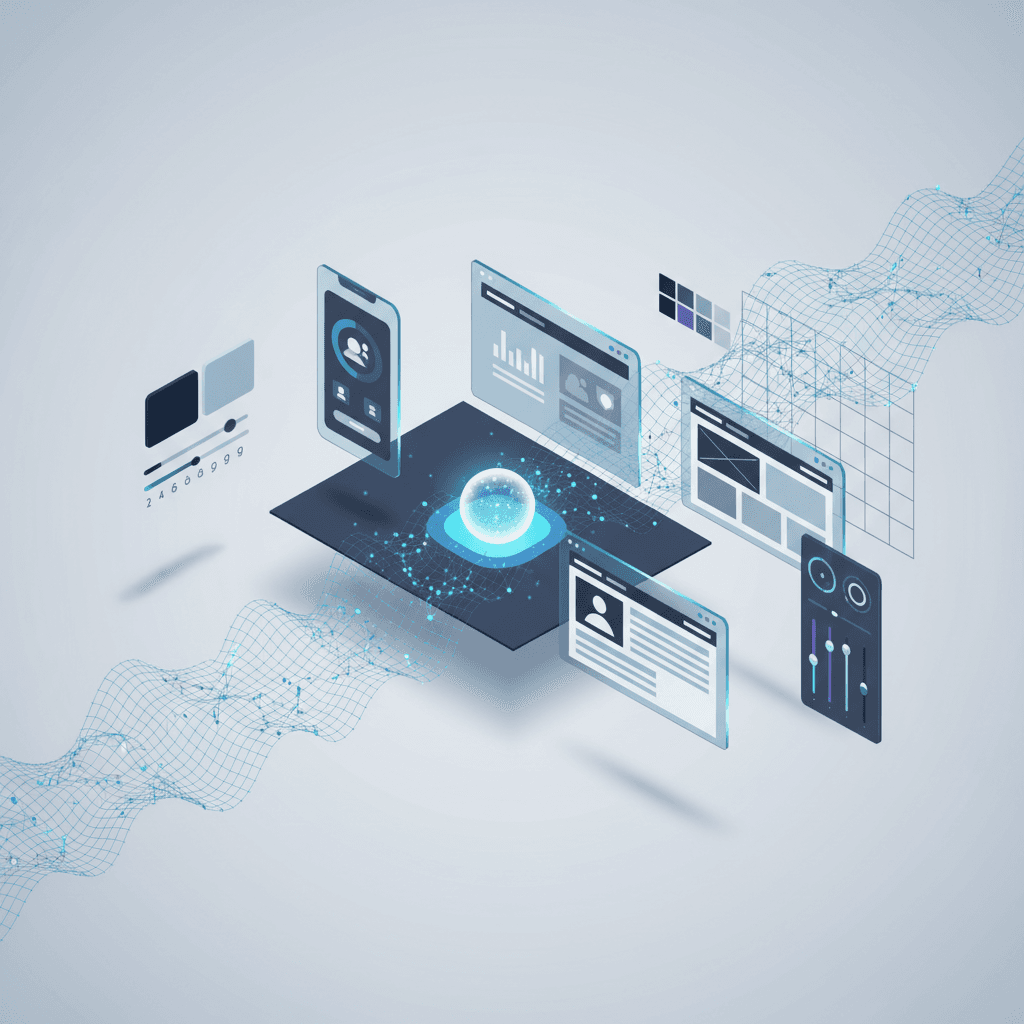
The release of Claude Design marks a significant pivot for Anthropic, moving the company beyond the realm of text-based intelligence into the complex and highly visual territory of creative production. This new tool, launched under the experimental Anthropic Labs umbrella, essentially transforms the traditional chatbot into a sophisticated design partner capable of generating high-fidelity prototypes, interactive slide decks, and a variety of marketing assets through a natural-language conversation. While AI has long been used to generate static images, Claude Design distinguishes itself by focusing on functional, editable, and brand-aware outputs that can be integrated directly into professional workflows. By allowing users to iterate on visual concepts with the same fluidity they might use to edit a paragraph of text, the tool addresses the persistent gap between conceptualizing an idea and producing a professional-grade visual representation of it.
At the core of Claude Design is the newly released Claude Opus 4.7, a vision-centric model that Anthropic describes as its most capable to date for handling multi-step creative tasks.[1] This model is specifically tuned to understand not just the aesthetic qualities of an image, but the underlying structure of user interfaces and presentation layouts. When a user prompts the tool to create a project, such as a mobile app prototype or a pitch deck, the AI does more than just present a flat image.[1][2][3] It generates a dynamic workspace where elements are interactive and contextually aware.[4][5][6][7][8][9][10] For example, a user might request a prototype for a meditation app, and once the initial layout is generated, they can use a side-pane to leave specific inline comments or use custom-generated sliders to adjust typography scales, color saturations, and spacing in real-time.[1] This level of granular control suggests a shift from the era of one-shot generation toward a more collaborative, agentic design process.[9][11]
The technical sophistication of the tool is perhaps most evident in its ability to digest and apply existing brand identities.[5] For many organizations, the primary hurdle in adopting AI for design has been the difficulty of maintaining brand consistency across different assets. Claude Design attempts to solve this by allowing teams to upload their entire codebase or specific design files directly into the conversation. Through these integrations, the AI parses the organization’s design tokens—such as specific HEX codes, font families, and component hierarchies—to build an internal design system. This system then serves as a guardrail for everything the tool produces, ensuring that a newly generated one-pager or slide deck feels like a natural extension of the company’s established visual language. This capability effectively turns the AI into a repository of institutional design knowledge, capable of enforcing brand standards across hundreds of different projects.
Beyond brand-matching, the tool introduces a web capture feature that allows users to pull design inspiration directly from live URLs.[12] If a team admires the layout or functionality of a specific competitor’s website, they can direct Claude to analyze that site and extract its structural elements to use as a starting point for their own designs. This process is not a simple copy-paste mechanism but a sophisticated architectural analysis that translates visual layouts into editable code.[13] The outputs are notably flexible; once a design is finalized, it can be exported in several professional formats, including PowerPoint (PPTX), PDF, and standalone HTML.[1][12][14] For teams moving from the prototyping phase to full development, the tool can generate a handoff bundle that provides a seamless transition into Claude Code, Anthropic’s developer-focused interface, bridging the often-contentious gap between designers and engineers.
The strategic implications of this launch are reverberating through the design software industry, placing Anthropic in direct competition with established giants like Adobe, Canva, and Figma. For years, the creative workflow has been defined by tool-switching—jumping from a writing assistant to a design canvas, then to a prototyping tool, and finally to a code editor. Anthropic is positioning Claude Design as a way to collapse these steps into a single, unified interface. This approach poses a unique threat to specialized design platforms because it focuses on the design intent rather than the mastery of complex software menus. While a professional designer might still use high-end tools for the final five percent of a project, Claude Design targets the massive volume of work produced by founders, product managers, and marketers who have traditionally been sidelined by the steep learning curves of professional creative suites.
Industry analysts suggest that this move toward generative UI represents a broader trend where AI assistants are becoming less like encyclopedias and more like operating systems for specialized work. The integration with the Model Context Protocol (MCP) further extends this reach, allowing Claude to interact with external data sources and design tools like Figma in a more structured way.[15] This means the AI isn't just looking at a screenshot of a design file; it is reading the actual layer hierarchy and component properties.[15] By treating design as structured data rather than just pixels, Anthropic allows for a level of precision that was previously impossible in a chat-based environment. This precision is what makes the tool viable for professional environments where a pixel-perfect layout is just as important as the message it conveys.
The democratization of high-fidelity design also raises questions about the future role of the professional designer. Anthropic has framed the tool as an efficiency booster rather than a replacement, arguing that it gives designers the "room to explore widely" by automating the repetitive aspects of wireframing and slide production. By handling the rote work of building basic components and aligning elements, the AI allows human designers to focus on high-level strategy and creative direction. However, the speed at which the tool can produce polished assets is undeniable. A process that once took a team days of back-and-forth—from brief to mockup to revision—can now be condensed into a twenty-minute conversation. This acceleration of the creative loop is likely to change how projects are scoped and how design teams are structured in the coming years.
In the broader context of the AI market, Claude Design represents a clear attempt to lock enterprise users into the Anthropic ecosystem. By providing a tool that handles text, code, and now design, the company is creating a comprehensive productivity suite that rivals the offerings of tech behemoths like Microsoft and Google. The inclusion of collaborative features, such as shared chat sessions and team-wide design systems, further underscores this enterprise-first strategy. As the tool moves out of its research preview phase and becomes more widely available to Pro and Enterprise subscribers, its success will likely be measured by how well it can handle the nuanced, often subjective feedback that characterizes the design process.
Ultimately, the launch of Claude Design signals that the next frontier of artificial intelligence is the mastery of visual context. It is no longer enough for a model to describe a website; it must be able to build it, style it, and maintain its brand integrity across multiple iterations. As these tools become more integrated with live codebases and professional design repositories, the line between a conversation and a finished product will continue to blur. For the AI industry, this move by Anthropic is a powerful assertion that the future of design is not just generative, but conversational and deeply integrated into the fundamental workflows of modern business. The era of the "blank page" problem is rapidly coming to an end, replaced by a world where the primary skill of a creator is the ability to guide a highly capable digital partner toward a shared visual vision.
Sources
[2]
[3]
[5]
[6]
[7]
[8]
[9]
[10]
[11]
[12]
[13]
[14]
[15]