
Wikipedia Demands AI Giants Pay for Data, Ends Era of Free Scraping
Facing immense strain from AI scraping, Wikipedia demands fair compensation and attribution to secure the future of its open knowledge.
November 10, 2025
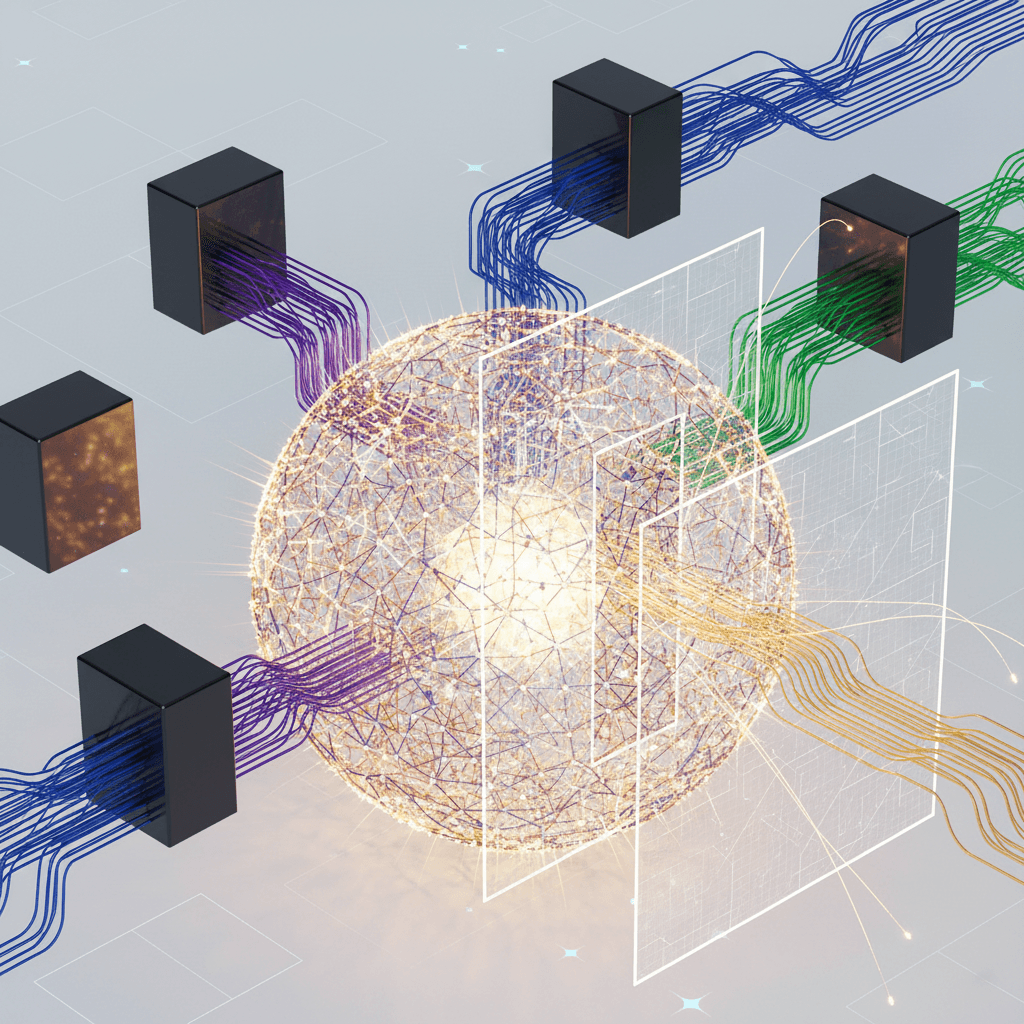
The vast, collaboratively built repository of human knowledge that is Wikipedia has become an indispensable resource for the burgeoning artificial intelligence industry. Large language models, the engines behind generative AI, have been trained on its extensive corpus of text, making the online encyclopedia a foundational pillar of the modern AI ecosystem. Now, the nonprofit steward of this global resource, the Wikimedia Foundation, is issuing a clear and urgent message to the tech giants profiting from its content: the era of unrestricted, uncompensated data scraping is over. The foundation is calling for AI companies to engage in fair and sustainable practices, including providing proper attribution and financially contributing to the infrastructure they heavily rely upon. This move signals a pivotal moment in the relationship between open-source knowledge platforms and the commercial AI sector, raising critical questions about responsibility, sustainability, and the future of information on the internet.
At the heart of the issue is the immense strain that large-scale data scraping by AI companies places on Wikipedia's servers. The automated bots deployed by these firms consume a significant amount of bandwidth and processing power, creating a substantial financial burden for the Wikimedia Foundation, which operates primarily on donations.[1] Recent analytics revealed a dramatic increase in machine-driven traffic, even as legitimate human page views have seen a decline.[2] This shift is concerning for several reasons. Fewer human visitors can lead to a decrease in potential volunteer editors and small-dollar donors, who are the lifeblood of the platform.[2] Furthermore, the indiscriminate scraping often ignores the provenance and licensing information attached to the content, which is crucial for responsible reuse.[2] The foundation argues that while its content is freely available, the infrastructure required to host and deliver it at such a massive scale is not, and the commercial entities reaping value from this data should contribute to its upkeep.
In response to this challenge, the Wikimedia Foundation is directing high-volume commercial users away from scraping and towards its paid commercial product, Wikimedia Enterprise.[2][3] Launched as a solution for large-scale data reusers, this service provides a reliable, high-speed, and structured way to access Wikimedia content through an API.[4][5][6] By encouraging AI developers to use this paid service, the foundation aims to create a sustainable funding stream to support its operations and ensure the long-term health of Wikipedia.[2][3] Beyond financial compensation, a central demand is for proper attribution. Wikipedia's content is largely published under a Creative Commons Attribution-ShareAlike (CC BY-SA) license, which legally requires users to give credit to the source and to share any derivative works under the same license.[7][2] The Wikimedia Foundation insists that AI models generating answers based on its content should cite their source, linking back to the original articles.[3] This not only fulfills the license requirements but also fosters a virtuous cycle, directing users back to the platform where they can verify information, contribute edits, and potentially become part of the community that sustains the encyclopedia.[3]
The legal and ethical landscape surrounding the use of copyrighted and openly licensed material for AI training is complex and largely unsettled. While Creative Commons licenses are designed to facilitate sharing, their application to the machine learning context is a subject of ongoing debate.[7][8] The core question revolves around whether training an AI on this data constitutes the creation of a "derivative work" that would trigger the Share-Alike clause.[9] AI companies have often relied on fair use arguments, claiming their use of copyrighted material is transformative.[10][11] However, this has been challenged in court by various content creators and news organizations.[10] The Wikimedia Foundation, while supportive of its content being used for AI development, is taking a collaborative rather than litigious approach, urging companies to adhere to the spirit of the open license even if the legal requirements in this new technological context are still being defined.[2][9] The foundation emphasizes the ethical imperative to sustain the human-created ecosystem that AI models depend on, warning that without continued human contribution and curation, these systems risk falling into "model collapse," where they degrade by learning from their own synthetic, and potentially flawed, outputs.[3]
This evolving dynamic is forcing a broader reckoning within the tech industry about the value of open data and the responsibilities of those who use it for commercial gain. While Wikipedia is advocating for collaboration, other platforms like Reddit and Stack Overflow have also moved to monetize their data through paid APIs in response to AI scraping.[2] For AI developers, this means the cost of acquiring high-quality training data is likely to increase, and they must now factor in licensing fees and attribution mechanisms into their product design.[2] The Wikimedia Foundation, for its part, is not entirely opposed to AI; it has its own strategy to use artificial intelligence to support its human volunteers.[12] Their focus is on developing tools that can automate tedious tasks like identifying vandalism or flagging potential errors, thereby freeing up human editors to focus on the more nuanced work of content creation, deliberation, and consensus-building.[3][12] Ultimately, Wikipedia's call for fair licensing is a defense of its human-centered model of knowledge creation in an increasingly automated world. It is a reminder that the vast digital commons that fuels the AI revolution was built by people, and its future sustainability depends on a reciprocal relationship with the technologies that now rely so heavily upon it.