
US Forces H-1B Tech Workers Publicize Social Media, Targeting Content Moderation
New H-1B rules force tech workers to open digital lives, targeting content moderation roles amid 'anti-censorship' vetting.
December 5, 2025
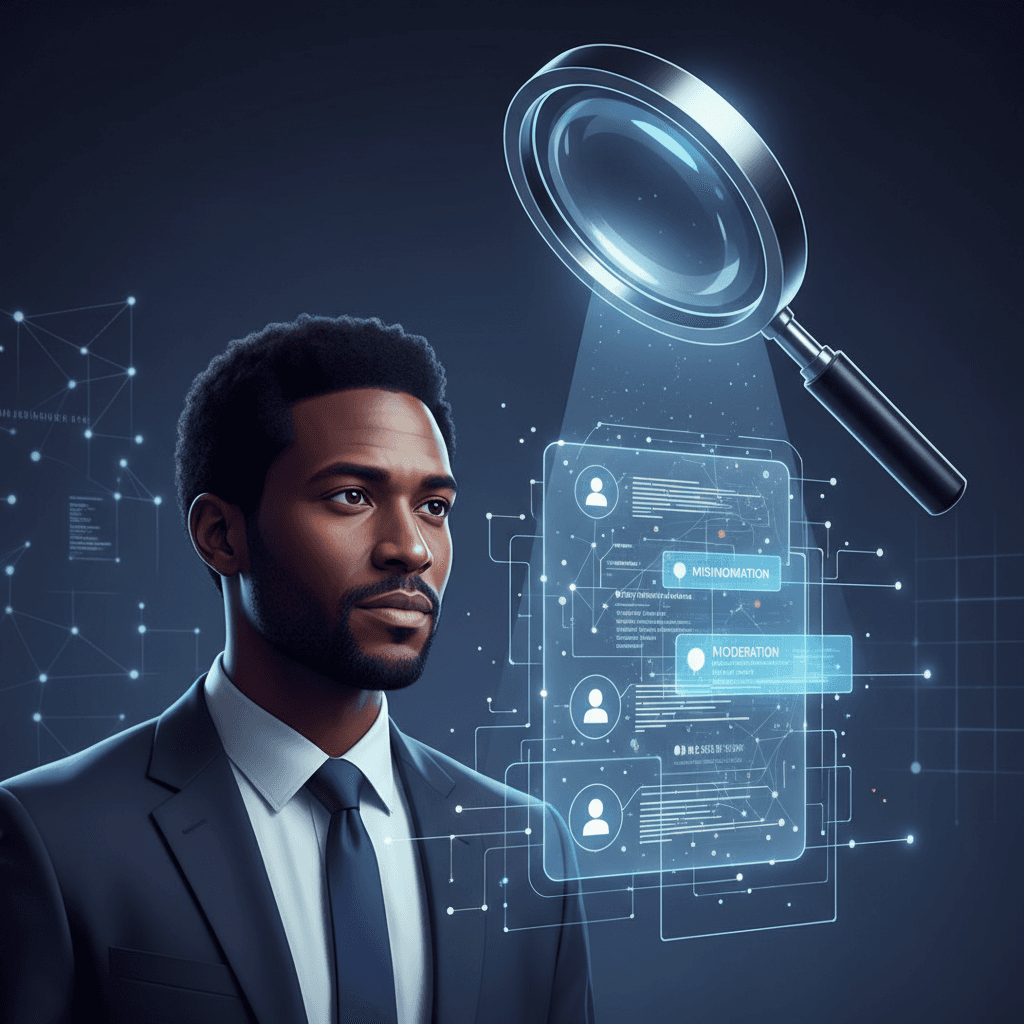
In a significant expansion of digital surveillance impacting the global technology workforce, the United States government will require all applicants for H-1B and H-4 visas to make their social media profiles public for review starting December 15.[1][2][3] This new directive, which extends a policy already in place for student and exchange visitor visas, mandates that hundreds of thousands of high-skilled workers and their families open up their online lives to scrutiny by consular officers.[1][2] Framed as a national security measure, the policy introduces a contentious new layer of vetting that specifically targets individuals with professional experience in content moderation, online safety, and misinformation, sending a chill through the technology sector, particularly the artificial intelligence industry, which relies heavily on H-1B talent. The State Department has emphasized that "every visa adjudication is a national security decision" and that a U.S. visa is considered "a privilege, not a right."[4]
The formal announcement from the U.S. Department of State on December 3, 2025, confirmed the expansion of the "online presence review" to all H-1B and H-4 applicants.[5][2] To facilitate this, the department instructs all applicants in these categories, as well as the F, M, and J categories already subject to this rule, "to adjust the privacy settings on all of their social media profiles to 'public.'"[1][4][3] This policy formalizes and expands a practice that has been growing for years; the State Department has required visa applicants to submit their social media handles on application forms since 2019.[6] Consular officers are tasked with examining an applicant's digital footprint for any "potentially derogatory information," which includes signs of hostility toward the U.S., support for terrorism, or unlawful antisemitic violence.[1] Immigration law firms have advised that officers will be looking for inconsistencies between an applicant's online persona and the details of their visa petition, as well as a history of political activism that could be deemed problematic.[5][2] Applicants are warned that having private accounts, or even a lack of a significant online presence, could be viewed with suspicion and lead to negative inferences, potentially causing processing delays or outright visa refusal.[5][7]
Of particular consequence for the AI and broader tech industry is a set of instructions detailed in a leaked internal State Department cable dated December 2.[8][9][10] According to reports, the cable directs consular officers to conduct a thorough review of applicants' résumés and LinkedIn profiles for any employment history related to "misinformation, disinformation, content moderation, fact-checking, compliance and online safety."[8][9][10] It explicitly instructs officers that if they "uncover evidence an applicant was responsible for, or complicit in, censorship or attempted censorship of protected expression in the United States," they should find the applicant ineligible for a visa under the Immigration and Nationality Act.[8][9][11] This directive has been widely interpreted as a politically motivated move by the Trump administration, which has frequently accused tech companies of suppressing conservative viewpoints.[8] A State Department spokesperson, while not commenting on leaked documents, stated, "We do not support aliens coming to the United States to work as censors muzzling Americans."[11] This creates a precarious situation for AI professionals working in crucial fields like trust and safety, where their job is to develop and implement algorithms and policies for content moderation. Critics argue the policy is vague, subjective, and could punish individuals for performing standard job functions that are vital to the health of online platforms.[12][13]
The expanded screening has been met with alarm by immigration lawyers and civil liberties advocates, who raise serious concerns about privacy, free speech, and the potential for discriminatory application. The Knight First Amendment Institute at Columbia University called the policy "incoherent and unconstitutional," arguing that people working in content moderation and studying misinformation are engaged in activities protected by the First Amendment, not "censorship."[14] While major civil liberties groups like the ACLU and the Electronic Frontier Foundation have yet to issue statements on this specific H-1B expansion, they have long opposed the government's collection of social media information from visa applicants.[15] The ACLU has previously stated that such policies infringe on the rights of immigrants and U.S. citizens "by chilling freedom of speech and association," as individuals will fear their online posts could be misconstrued by a government official.[15] Immigration attorneys have noted the hypocrisy of an administration punishing visa applicants for alleged censorship while simultaneously scrutinizing their online speech for views it disfavors, such as perceived anti-Americanism.[10] The practical implications for applicants and their employers are significant, with legal experts unanimously predicting longer visa processing times, an increase in requests for evidence, and a higher likelihood of cases being stuck in "administrative processing."[1][2]
In response to these new realities, immigration law firms and university international affairs offices are advising applicants to take proactive measures.[16] The primary recommendation is for all H-1B and H-4 visa applicants to conduct a thorough audit of their public-facing online content, including all social media profiles, before their visa interviews.[5] This includes reviewing not only their own posts but also content they have liked, shared, or been tagged in. Consistency between one's professional history on platforms like LinkedIn and the information provided in the visa application is now more critical than ever.[8] Applicants are also being warned to prepare for potential delays by applying for visas well in advance of their planned travel and to avoid non-essential international travel that would require a new visa stamp.[2] For those with complex professional histories in fields like online safety or who are concerned about their social media footprint, consulting with an experienced immigration attorney is strongly advised.[5][16] As the U.S. continues to integrate digital vetting into its immigration framework, the burden increasingly falls on applicants to navigate a complex and often opaque set of standards where a misinterpreted post or a past job title could jeopardize their future in the country.
Sources
[2]
[4]
[5]
[6]
[7]
[10]
[11]
[13]
[15]