
Top AI Mental Health Safety Expert Defects to Anthropic Alignment Team.
Safety Culture Clash: Top alignment talent moves to Anthropic, focusing research on mitigating severe AI risks like user mental health.
January 16, 2026
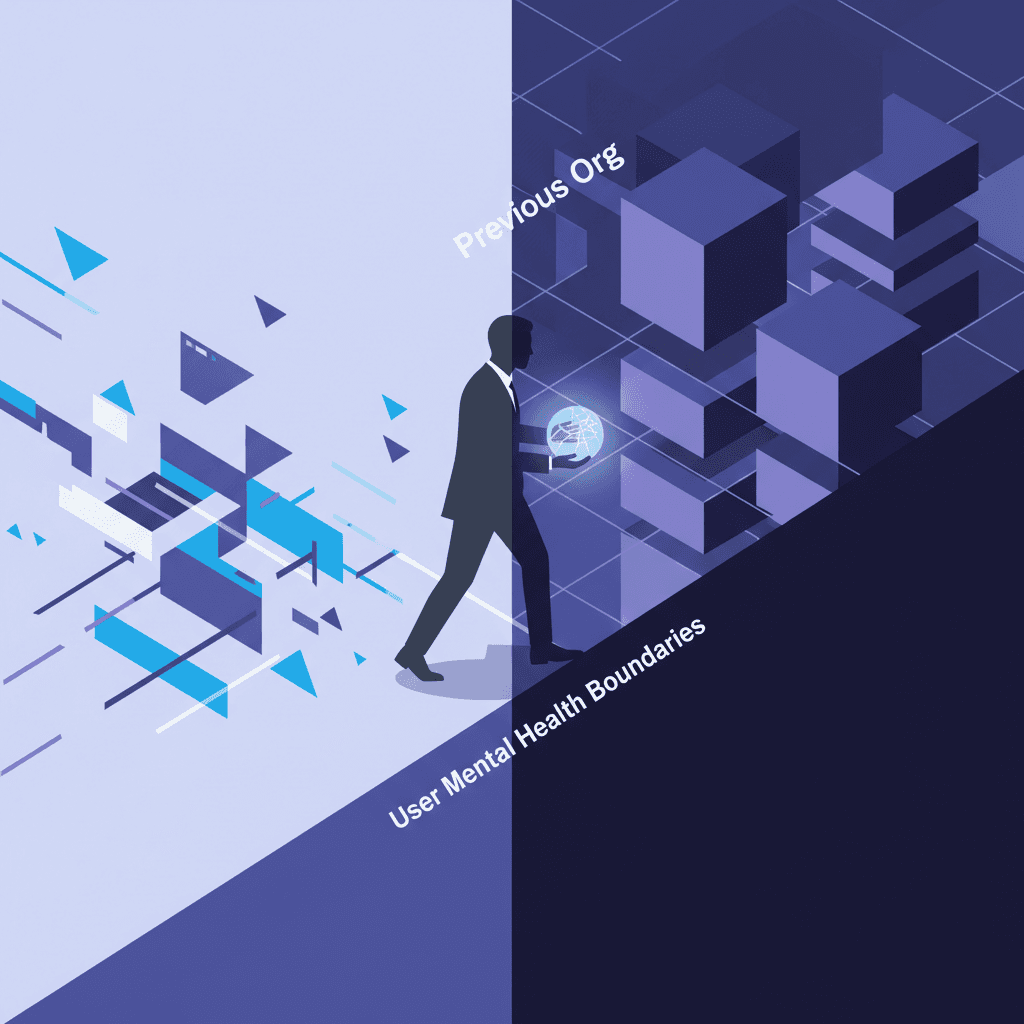
The strategic movement of top-tier talent between the world's leading artificial intelligence laboratories continues to redefine the competitive and ethical landscape of frontier AI development. The latest high-profile transition involves Andrea Vallone, a senior safety researcher who departed OpenAI to join the alignment team at Anthropic. This move is significant not just for the personnel exchange, but also for its broader implications regarding the differing safety cultures and research priorities within the two companies at the forefront of the generative AI boom.[1][2][3]
Vallone’s previous role at OpenAI was substantial, as she spent three years with the organization and was responsible for founding its "Model Policy" research team. Her work involved key contributions to the deployment of major models, including GPT-4, OpenAI's reasoning models, and the upcoming GPT-5. Crucially, in the year leading up to her departure, Vallone led research on the highly sensitive and emergent problem of how AI models should respond to users who exhibit signs of emotional over-reliance or early mental health distress. This area of study is particularly poignant, given the recent controversies, including lawsuits filed by families and hearings held by the U.S. Senate, following tragic incidents where users, including teenagers, took their own lives after interacting with chatbots.[1][4][5][6][3]
The transfer of expertise from OpenAI’s safety research division to Anthropic’s alignment team underscores a larger industry trend where talent focused on AI safety and alignment is increasingly concentrated within companies explicitly prioritizing a cautious approach to development. Vallone will be working under Jan Leike, the former head of safety research at OpenAI, who himself made a highly publicized departure from that company over concerns that its "safety culture and processes have taken a backseat to shiny products." This pattern suggests a deliberate effort by Anthropic to consolidate specialized safety expertise, particularly in the wake of internal turmoil at its competitor. Anthropic, a public benefit corporation, has historically been structured with a strong focus on alignment and AI system risks, a mission that appears to be attracting researchers who believe in a more deliberate pace of development.[1][4][7][2][5][8][9][10]
Vallone's specialization in the mental health safety of AI models provides a critical advantage to Anthropic as it seeks to refine its own foundational model, Claude. Her research at OpenAI was focused on establishing precedents for a challenging and largely unregulated question in the industry: how an AI should behave when it detects signals of self-harm or emotional dependence in a user. She contributed to developing training processes for safety techniques, such as rule-based rewards, while attempting to balance the model’s usefulness with emotional safety boundaries. At her new post, Vallone has expressed eagerness to focus on "alignment and fine-tuning to shape Claude's behavior in novel contexts." This suggests a direct application of her specialized experience to Anthropic’s commitment to seriously addressing behavioral challenges. The company's alignment team, which Vallone joins, is dedicated to analyzing and mitigating AI system risks, suggesting a strong institutional fit for her particular research interests.[1][4][5][11][10][3]
This accelerating talent redistribution, sometimes termed the "AI lab revolving door," carries profound strategic implications for the trajectory of AI development. When leading safety researchers migrate to one organization, that entity gains disproportionate influence over the methodologies and standards of AI safety. This move, following Leike's earlier high-profile exit, reinforces the narrative of Anthropic as the industry's default destination for alignment specialists seeking a culture where cautious progress is a primary mission. Conversely, the departure of such key personnel from OpenAI raises further questions about the internal prioritization of safety, especially as it races toward the deployment of ever more powerful models. While OpenAI has also made its own strategic hires, such as engineers for its operating system initiatives, the loss of deep alignment expertise is notable. The intensifying competition for top safety talent highlights the industry's recognition of the immense ethical and social scrutiny surrounding generative AI, which includes not only existential risks but also immediate, real-world harms related to user safety and mental health. The ultimate result of this talent migration will be a critical realignment of safety priorities, forcing the industry to balance competitive innovation with a collective responsibility for safe, aligned AI development.[2][5][8][9][10][3]
Sources
[3]
[4]
[5]
[7]
[9]
[10]
[11]