
Tech giants back Anthropic AI despite new Pentagon restrictions on military use
While the Pentagon restricts Anthropic, global cloud providers prioritize commercial safety over the rigid requirements of national defense.
March 7, 2026
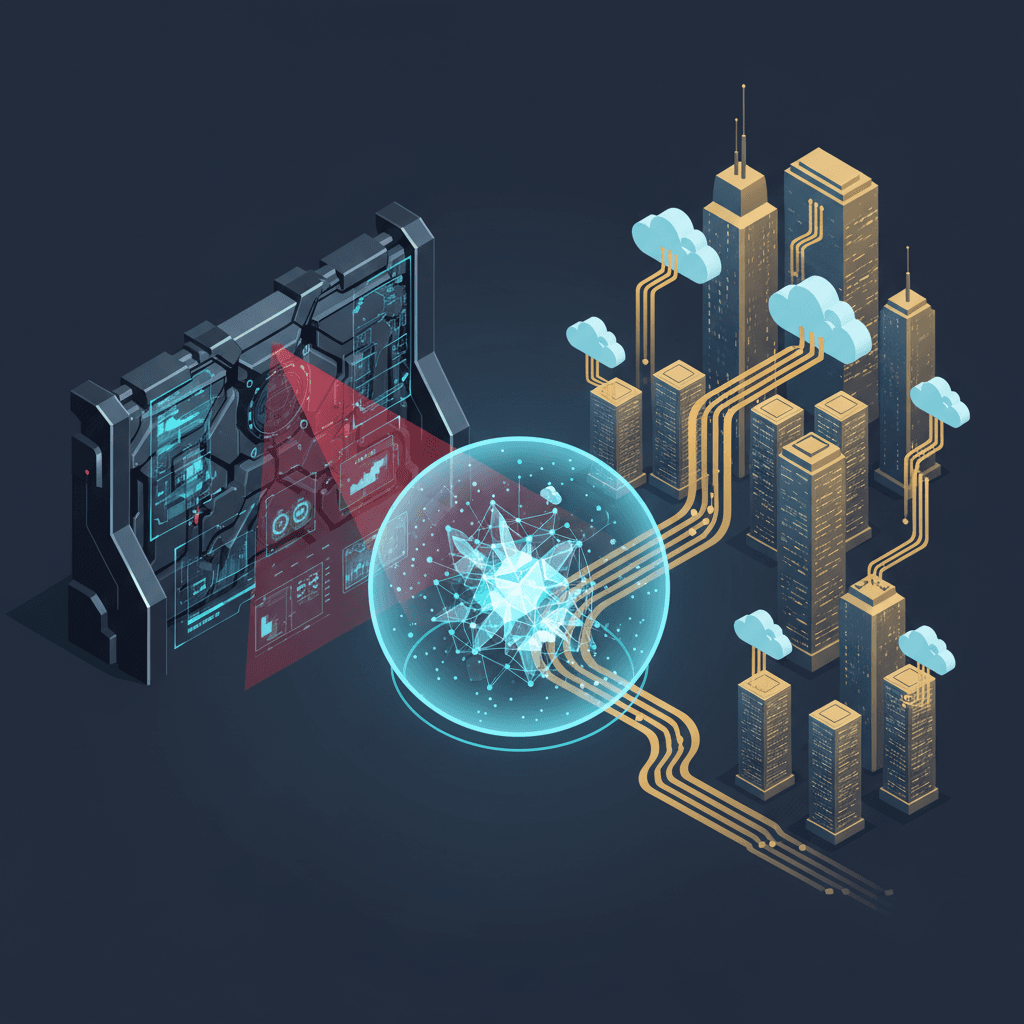
The intersection of national security and the rapidly evolving field of generative artificial intelligence has reached a significant inflection point as the United States Department of Defense formalizes its stance on specific foundational models. In a move that has sent ripples through the technology sector, the Pentagon recently implemented restrictions on the use of Anthropic’s AI models, including the widely utilized Claude series, within its most sensitive operational frameworks. This decision stands in stark contrast to the strategy of the world’s most powerful cloud computing providers. Despite the signals coming from the military establishment, Google, Amazon Web Services, and Microsoft have reaffirmed their commitment to Anthropic, signaling a deepening divide between the requirements of national defense and the demands of the global enterprise market.
The Pentagon’s decision to distance itself from Anthropic appears to stem from a complex web of security protocols and the specific, rigid requirements of military-grade software. While the Department of Defense has not always been transparent about the technical minutiae of its bans, sources close to the procurement process suggest that the issue lies in the alignment and transparency of Anthropic’s core architecture. Anthropic has built its reputation on a concept known as Constitutional AI, where the model is governed by a set of internal principles designed to ensure safety and ethical behavior without human intervention. While this approach is lauded in the civilian sector for reducing bias and preventing harmful outputs, it reportedly presents challenges for military applications that require absolute predictability and a different type of transparency that allows for deep-level forensic auditing. For the Pentagon, the "black box" nature of a self-governing AI, no matter how ethical its "constitution" may be, introduces a variable that does not currently align with the zero-trust environment of classified defense networks.
The reaction from the major cloud providers highlights the massive financial and strategic stakes involved in the generative AI race. For Amazon and Google, Anthropic is not just another vendor; it is a cornerstone of their respective AI ecosystems. Amazon has funneled approximately four billion dollars into Anthropic, positioning the startup’s models as the premier offering on its AWS Bedrock platform. Similarly, Google has invested two billion dollars and integrated Claude into its Vertex AI infrastructure. For these giants, walking away from Anthropic due to a military restriction would be economically catastrophic and strategically nearsighted. These companies are betting that the commercial market, which values the safety and conversational nuance of Anthropic’s models, far outweighs the immediate revenue potential of specific defense contracts that require specialized, non-commercial configurations. Microsoft, while primarily tethered to OpenAI, has also continued to offer Anthropic models through its Azure cloud, recognizing that enterprise customers demand a diversity of models to avoid vendor lock-in and to find the specific "personality" of an AI that fits their corporate culture.
This divergence in adoption strategies underscores a growing rift between the "Safe AI" movement and the requirements of modern electronic warfare. Anthropic was founded by former OpenAI executives who were concerned about the commercialization of AI at the expense of safety. This founding ethos has made them a darling of the enterprise world, where companies are terrified of their AI generating toxic content or leaking proprietary data. However, the very safeguards that make Claude attractive to a Fortune 500 HR department can be seen as liabilities in a tactical military setting. The Pentagon requires AI that can operate under extreme conditions, often involving the analysis of lethal force or high-stakes intelligence where the ethical guardrails of a civilian "constitution" might interfere with the cold logic required for mission success. As a result, the industry is seeing a bifurcation where certain labs become the preferred partners for the defense industry, while others, like Anthropic, become the gold standard for the regulated civilian sector.
The competitive landscape is further complicated by the aggressive posturing of OpenAI and other smaller, defense-focused AI startups. As Anthropic faces hurdles within the Department of Defense, OpenAI has pivoted toward a more collaborative relationship with the military, relaxing its previous bans on using its technology for "military and warfare" applications. This shift has allowed OpenAI to capture territory that Anthropic’s more rigid safety-first stance has essentially vacated. For Google and Amazon, sticking with Anthropic is a calculated risk that involves ceding some ground in the defense sector to maintain a dominant position in the much larger global corporate market. They are essentially wagering that the future of AI will be defined by productivity, creative assistance, and administrative efficiency rather than battlefield analytics. Furthermore, by maintaining their ties to Anthropic, these cloud providers are ensuring they have a viable alternative to OpenAI, which is increasingly viewed as a potential competitor rather than just a partner by the tech giants.
The implications for the broader AI industry are profound, suggesting that a "one-size-fits-all" model for artificial intelligence is increasingly unlikely. The Pentagon's ban serves as a reminder that the standards for "safety" are not universal. In a civilian context, safety means the prevention of misinformation and offense; in a military context, safety means the absolute reliability of a system to perform exactly as commanded without the interference of an autonomous ethical layer that the commander cannot override. This distinction is forcing AI labs to choose their path: either they develop highly specialized versions of their models that meet the grueling transparency and control standards of the Department of Defense, or they double down on the lucrative but different needs of the private sector. Anthropic has, thus far, shown little interest in compromising its core safety principles to appease military procurement officers, a stance that has only strengthened its bond with cloud providers who are eager to market "responsible AI" to their corporate clients.
Ultimately, the decision by Google, AWS, and Microsoft to remain steadfast in their support of Anthropic despite the Pentagon's cold shoulder illustrates the shift in power dynamics within the technology industry. In previous decades, a Pentagon ban might have been the death knell for a burgeoning technology company. Today, the scale of the global enterprise cloud market is so vast that even the Department of Defense is just one of many clients—albeit a prestigious one. The resilience of the Anthropic partnership demonstrates that the path to AI dominance is being paved by commercial utility and ethical branding rather than government endorsement. As the technology continues to mature, the industry will likely see a permanent separation between "civilian AI" used for the global economy and "defense AI" developed in isolated, highly regulated silos, with the world's cloud giants acting as the indispensable infrastructure that supports both, even when the models themselves are not permitted to cross the line.