
Starlink Lands in India: High-Speed Internet to Power Rural AI Growth
Starlink's premium satellite internet lands in India, promising to unlock AI and bridge the digital divide in remote regions.
December 8, 2025
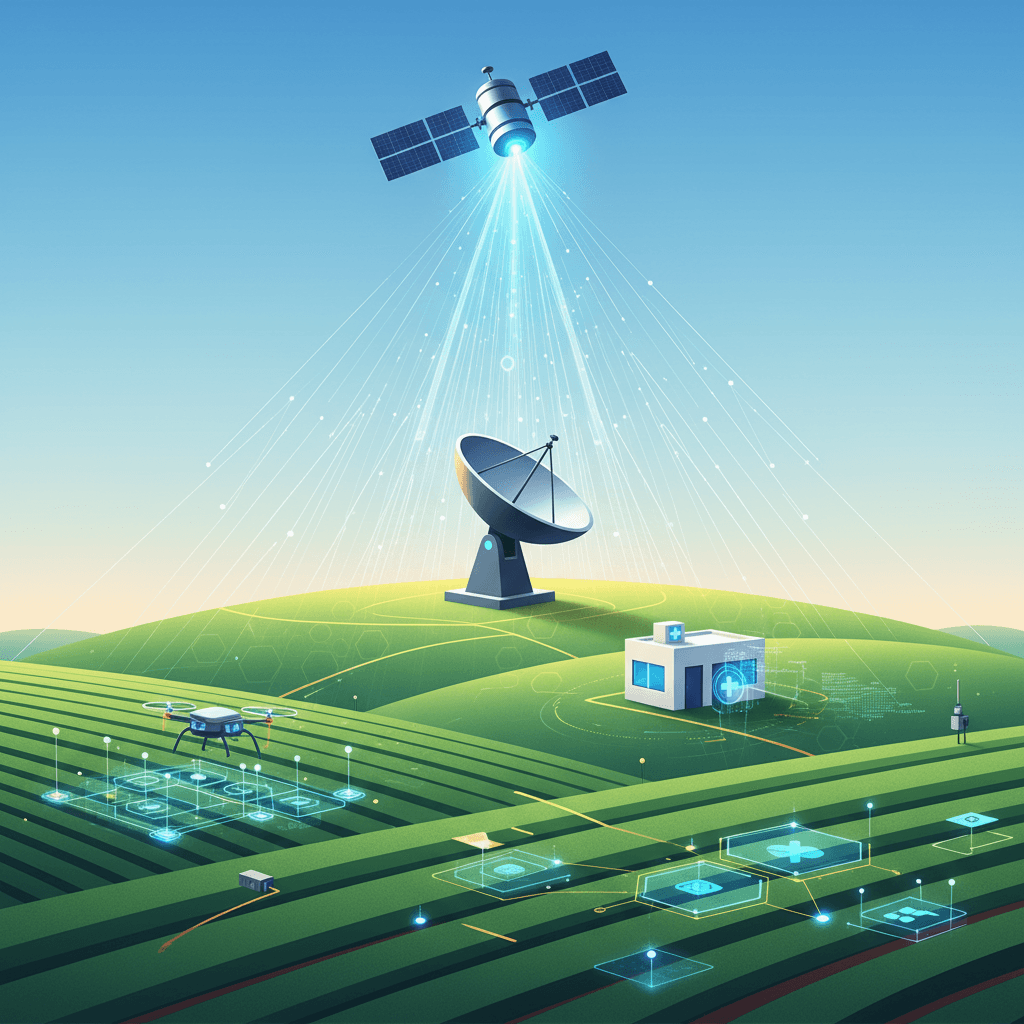
In a significant move poised to reshape India's digital landscape, SpaceX has unveiled the pricing for its Starlink satellite internet service, setting the residential subscription at ₹8,600 per month with a one-time hardware fee of ₹34,000.[1][2][3] This announcement signals the imminent, albeit pending final regulatory approval, arrival of a new high-speed internet contender focused on connecting the most remote and underserved parts of the country.[2][3] The service promises unlimited data with speeds ranging from 25 to 220 Mbps, a considerable leap for regions where terrestrial broadband infrastructure is sparse or non-existent.[4] While the premium price point raises questions about mass adoption, the true significance of Starlink's entry may lie in its potential to unlock the next wave of technological innovation, particularly in the burgeoning field of artificial intelligence, by providing the foundational connectivity needed to power AI applications in rural India.
The introduction of high-speed, low-latency satellite internet is expected to be a watershed moment for India's AI ecosystem.[5] For years, the promise of AI-driven solutions in critical sectors like agriculture and healthcare has been hampered by the digital divide.[6] Reliable internet is the bedrock for deploying machine learning models, cloud-based AI services, and real-time data analytics.[5] Starlink's service, by its nature, bypasses the logistical and financial challenges of laying fiber optic cables in difficult terrains, offering a direct link to the digital world. This newfound connectivity can empower AI-powered precision farming tools, which rely on data from satellites and IoT sensors, to reach farmers in remote villages, helping to optimize crop yields and resource management.[5] Similarly, in healthcare, satellite internet can enable AI-driven telemedicine platforms, facilitating remote diagnostics and bringing expert medical consultations to areas with a shortage of specialists.[5][6]
However, the ambitious pricing strategy announced by Starlink presents a significant hurdle to its widespread adoption, especially in the price-sensitive rural markets it aims to serve. The monthly fee of ₹8,600 is substantially higher than existing broadband plans from providers like Reliance Jio and Bharti Airtel, which typically range from ₹699 to ₹999.[7] The steep initial hardware cost of ₹34,000 further complicates the value proposition for individual households and small businesses in rural India.[1][8][9] This high cost of entry could mean that the initial beneficiaries are not individual rural consumers, but rather government initiatives, public institutions, and enterprise clients who can absorb the expense. The Maharashtra state government has already signed a letter of intent with Starlink to connect government institutions, public health centers, and essential infrastructure in remote districts, showcasing a potential pathway for leveraging this technology for public good.[9] Analysts suggest that for Starlink's vast satellite capacity to be fully utilized, significant rural penetration is critical, which may necessitate future pricing adjustments or government subsidies to make the service more accessible.[5]
Starlink enters a competitive, albeit nascent, satellite communications market in India. It is one of three companies to have received the necessary licenses to operate, alongside Bharti-backed Eutelsat OneWeb and Reliance Jio's JioSpaceFiber.[10][3] While all three are poised to play a role in shaping India's satellite internet future, their strategies appear to differ.[10] OneWeb has primarily focused its efforts on the B2B sector, targeting enterprise, aviation, and defense-grade connectivity.[10] Reliance Jio has announced its JioSpaceFiber service with the promise of affordability, but concrete residential pricing plans for 2025 have yet to be detailed. Starlink's direct-to-consumer approach from the outset sets it apart, aiming to capture the residential market in areas neglected by traditional telecom infrastructure.[10] The ultimate landscape will also be shaped by the Indian government's pending decision on satellite spectrum allocation, which will influence the operational costs and strategies of all players in the field.[3]
In conclusion, the launch of Starlink's residential service in India, headlined by its ₹8,600 monthly subscription, marks a pivotal development in the country's journey towards universal connectivity. While the premium pricing may initially limit its direct reach to the mass consumer market in rural areas, its role as an enabler for critical services and government programs cannot be understated. The true test of Starlink's impact will be its ability to serve as the digital backbone for the proliferation of AI-driven innovations in agriculture, healthcare, and education in India's vast hinterlands. This high-speed link from the sky holds the potential to not only bridge the digital divide but also to power a new generation of technological advancement, fostering inclusive growth and bringing the benefits of the AI revolution to every corner of the nation. The successful navigation of regulatory finalities and the competitive dynamics with domestic players will ultimately determine the orbit of Starlink's influence in India.