
Google integrates Lyria 3 into Gemini to transform text and media into high-fidelity music
Google integrates Lyria 3 into Gemini, allowing users to instantly generate high-fidelity, watermarked soundtracks from text, images, and video clips.
February 18, 2026
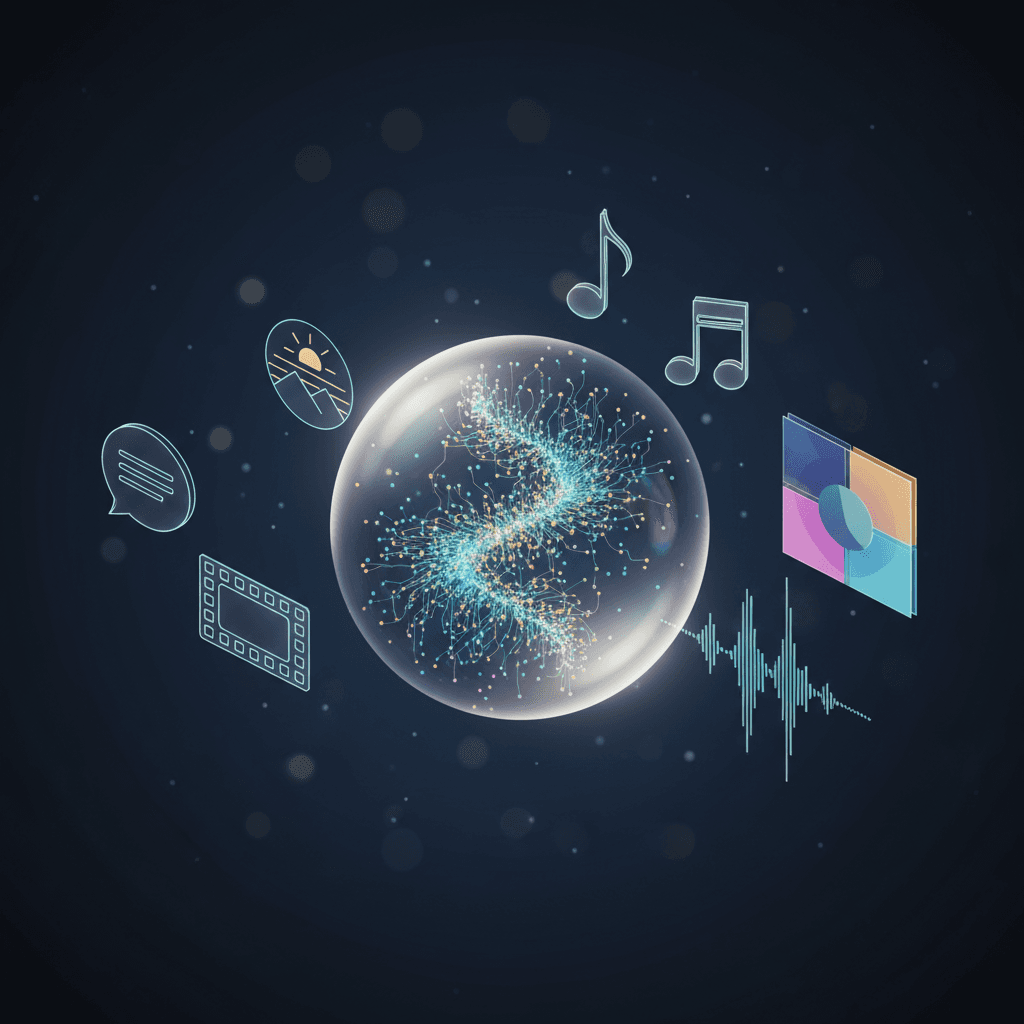
Google has fundamentally expanded the creative horizon of its flagship artificial intelligence platform by integrating advanced music generation capabilities directly into Gemini.[1][2][3] This new functionality, powered by Google DeepMind’s Lyria 3 model, transforms the conversational assistant into a multimodal production studio capable of generating high-fidelity audio tracks from simple text prompts, static images, or video clips.[4][3][5] By embedding this technology into a widely accessible interface, the company is attempting to move generative audio from the specialized niches of the AI community into the daily workflows of hundreds of millions of global users.
The core engine behind this update, Lyria 3, represents the third generation of DeepMind’s audio foundation models and introduces several technical leaps over its predecessors. While earlier versions often required users to provide their own lyrical content or focused primarily on instrumental melodies, Lyria 3 features fully automated songwriting. When a user submits a prompt, the model simultaneously composes the melody, synthesizes natural-sounding vocals, and drafts contextually relevant lyrics that fit the requested genre and mood. The current iteration is optimized for creating thirty-second tracks, which Google describes as being tailored for personal expression, social sharing, and quick creative assets rather than professional-grade music production.[6][7][8] Despite the short duration, the tracks exhibit a higher degree of musical complexity and acoustic realism than previous experiments, bridging the gap between mere novelty and usable digital content.
One of the most distinctive aspects of this integration is its multimodal nature.[5] Beyond standard text-to-audio prompting, Gemini now allows users to upload media from their own galleries to serve as creative inspiration.[1] A user can upload a photograph of a sunset and ask the model to "compose a theme song that matches this mood," or provide a video clip of a family event to generate a bespoke background soundtrack. To complete the package, the platform leverages its Nano Banana technology to automatically generate custom cover art for every generated track, resulting in a finished product that is ready for immediate distribution via direct download or shareable links.[9][10][2] This seamless transition from a single prompt to a packaged audio-visual asset highlights a broader industry trend toward consolidated creative platforms where text, image, video, and audio generation are no longer siloed tools.[4]
Safety and authenticity remain central to the deployment of this technology, especially as the music industry continues to grapple with the legal implications of generative AI. Google has positioned Lyria 3 as a tool for "original expression" rather than artist imitation.[8][1][7][10] To enforce this, the system includes sophisticated filters designed to prevent the replication of existing copyrighted material or the voices of specific famous artists. If a user attempts to prompt the AI to mimic a well-known singer, the model is trained to interpret the request as a broad stylistic suggestion rather than a literal copy.[1] Furthermore, every track generated through Gemini is embedded with SynthID, an imperceptible digital watermark developed by Google DeepMind. This audio fingerprint remains detectable even if the file is compressed or edited, allowing users to verify whether a clip was produced by Google’s AI simply by uploading the file back into the Gemini interface.[3]
The strategic timing of this launch places Google in direct competition with prominent AI music startups that have dominated the conversation over the past year. While dedicated platforms like Suno and Udio have gained traction by offering longer song durations and complex arrangement tools, Google’s primary advantage lies in its massive distribution network. By embedding Lyria 3 directly into the Gemini app and website, Google bypasses the adoption barriers faced by standalone startups. Additionally, the company is further integrating Lyria 3 into YouTube’s Dream Track feature, allowing creators on the world’s largest video platform to generate custom soundtracks for Shorts. This ecosystem-wide approach ensures that the technology is not just an isolated feature but a foundational element of the creator economy.
The debut of Lyria 3 also signals a shift in the monetization and availability of high-end generative models. While the feature is rolling out to all users over the age of eighteen in eight primary languages—including English, German, Spanish, French, Hindi, Japanese, Korean, and Portuguese—subscribers to Google’s premium AI tiers will benefit from higher generation limits.[6][10][8] This tiered access suggests that Google views high-fidelity audio generation as a key value proposition for its subscription-based services. As the model continues to mature, the company has indicated plans to expand quality and language coverage, likely moving toward longer tracks and even more granular controls for tempo, dynamics, and vocal inflection.
From an industry perspective, the integration of Lyria 3 into Gemini reflects the rapid consolidation of the generative AI market.[4] We are seeing a transition from a phase of fragmented experimentation to a phase of platformization, where tech giants integrate specialized creative capabilities into their core ecosystems.[9][4] For the music industry, this democratization of production tools brings both opportunity and tension.[4] While it empowers casual creators to produce high-quality jingles, background scores, and personal messages, it also raises questions about the future value of stock music and the evolving definition of digital authorship. By leaning heavily into watermarking and artist protection frameworks, Google is attempting to set a standard for responsible innovation that avoids the legal pitfalls currently facing some of its smaller competitors.
As generative audio becomes a standard feature within the world's most popular AI assistants, the barrier between an idea and a fully realized musical composition continues to dissolve.[4] Whether this technology will eventually evolve into a tool for professional-grade music production remains to be seen, but its current integration into Gemini marks a significant milestone. By providing a pocket-sized recording studio to millions of people, Google is not just adding a feature to a chatbot; it is redefining how we interact with sound in the digital age. The focus on short-form, highly shareable content suggests that the immediate future of AI music lies in personalization and the enhancement of daily social communication.