
Beijing approves powerful Nvidia AI chips, forces tied domestic purchases.
Beijing mandates tied-purchasing for H200 access, accelerating AI progress while protecting its domestic chip industry.
January 8, 2026
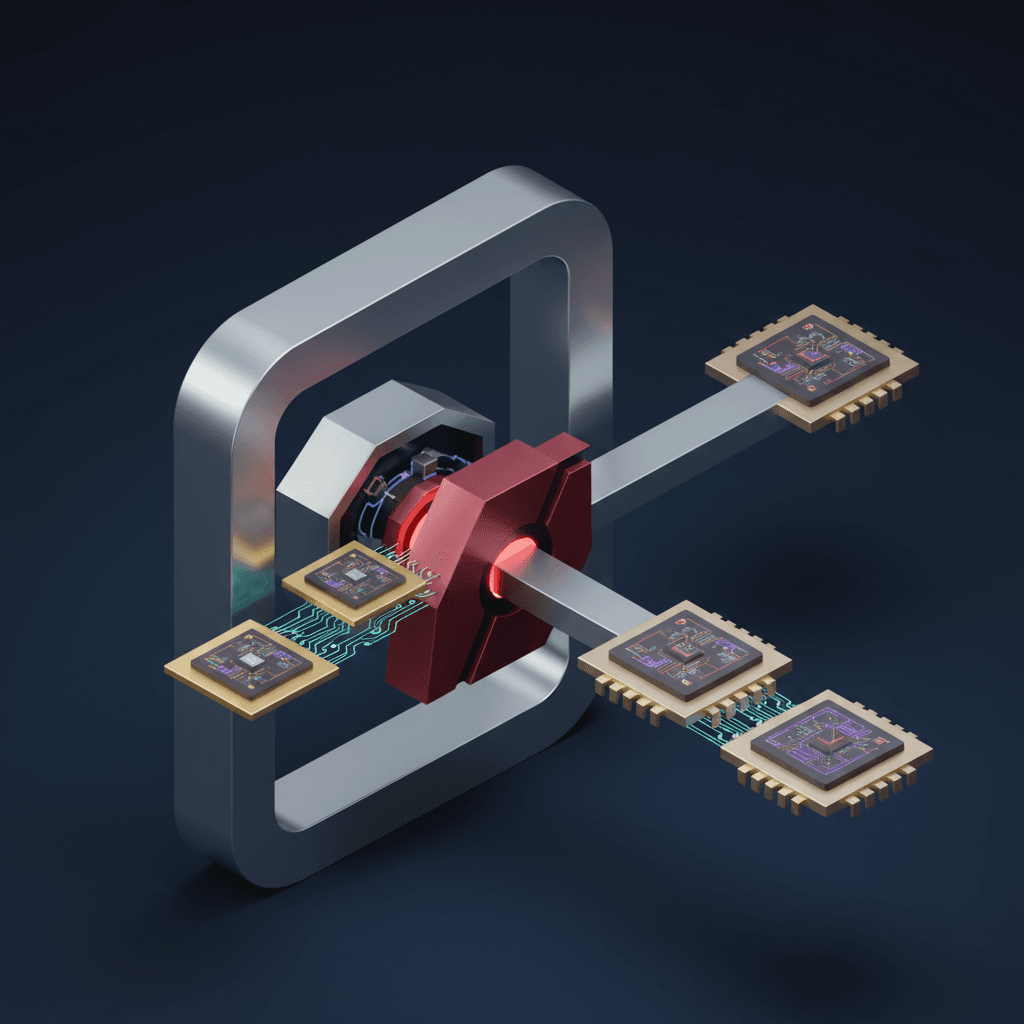
The high-stakes strategic deadlock over access to advanced American artificial intelligence chips appears poised for a temporary but significant breakthrough, as sources indicate China is expected to approve imports of Nvidia’s powerful H200 accelerator as early as this quarter. This move would effectively unlock one of the world’s most critical technology markets for the US chipmaker, following a period of intense regulatory uncertainty and deliberate hesitation from Beijing. The initial pause on purchases, which saw Chinese authorities instruct domestic technology giants to temporarily halt their substantial orders for the H200, underscored a profound tension: the immediate and urgent need for world-class hardware to fuel China’s burgeoning AI industry versus the long-term, politically mandated imperative for technological self-reliance. The expected green light comes with complex stipulations, reflecting a carefully managed policy designed to meet both domestic technological demands and geopolitical strategy.
China’s initial hesitation, which surfaced even after the US government under a recent policy adjustment cleared the H200 for export, was a calculated maneuver intended to manage the flow of foreign technology and bolster the domestic semiconductor industry. The H200, an advanced chip from Nvidia's Hopper generation, is not the company’s absolute latest offering—that distinction belongs to the newer Blackwell architecture—but it represents a massive leap in performance compared to the previously restricted and cut-down chips, such as the China-specific H20. For Chinese tech leaders like Alibaba and ByteDance, who reportedly expressed interest in ordering over 200,000 H200 units each, this chip remains essential for training and deploying their most sophisticated large language models and other advanced AI applications. The pause was a deliberate cooling-off period, allowing Beijing time to formulate an import policy that would not immediately flood the market and undercut its own domestic chip champions. China's government officials reportedly held emergency meetings with major tech firms to accurately gauge demand and the potential impact on local suppliers before finalizing the import conditions.[1][2][3][4][5]
The anticipated approval is not expected to be a wide-open floodgate, but a controlled release, with numerous security and industrial policy conditions attached. Reports suggest that Beijing will allow domestic companies to purchase the H200 for commercial use, but will explicitly bar its use by the military, sensitive government agencies, critical infrastructure, and state-owned enterprises on national security grounds. Applications from these sensitive entities will reportedly be reviewed on a case-by-case basis. This framework mirrors similar security-based restrictions China has previously applied to other foreign technology products. Crucially, the policy is expected to include a mandate for "tied-purchasing," where companies buying the powerful Nvidia chips will also be required to acquire a predetermined percentage of domestically produced AI chips. This quota system is the central mechanism Beijing will use to balance the immediate need for superior foreign compute power with its overarching strategy to foster its homegrown semiconductor industry, including promising players like Huawei and Cambricon, which are planning significant production increases.[1][6][7][8][9][10][2]
The dynamic surrounding the H200 highlights the delicate position of both Washington and Beijing in the escalating technology cold war. On the US side, the decision to allow H200 exports—albeit with a reported 25% revenue-sharing tax for the US government—is seen by some analysts as a strategic shift. The move pivots from an absolute "security blockade" to a "trade and taxation" model, which allows American companies to capture revenue from a vital global market while exporting only technology that is perceived as one generation behind the most advanced chips reserved for domestic use. This strategy assumes that the gap between the H200 and the next-generation chips like Nvidia’s Blackwell is substantial enough to maintain a technological lead. For Nvidia, the potential green light reopens a market that its CEO has estimated could be worth around $50 billion over time, despite the financial and regulatory risks, which the company has attempted to mitigate by requiring Chinese customers to pay the full cost of H200 orders upfront with no cancellation or refund options.[6][8][11][12][13][14]
The long-term implications of this approval are significant, creating a tiered AI ecosystem within China. The largest, most capital-intensive tech firms like Alibaba and ByteDance, which drive the country’s most sophisticated AI research and development, will gain access to the H200, helping them narrow the performance gap with their American rivals. This access is critical for the development of large language models, where scale and computational power are paramount. Simultaneously, the tied-purchase mandate will force them to continue investing in domestic chips, providing essential funding, scale, and real-world testing opportunities for Chinese alternatives. While domestic chips like Huawei's Ascend 910C have shown progress, they still lag significantly behind the H200 in performance. Therefore, the new policy represents a pragmatic compromise: accelerating China's AI development trajectory with world-class foreign hardware in the short term, while simultaneously creating a protected, state-sponsored market to guarantee the future viability and growth of its domestic semiconductor industry. This is not a surrender to foreign technology, but a structured integration designed to buy time for the local industry to catch up, underscoring Beijing’s enduring commitment to technological independence, which is backed by a major incentive program reportedly worth up to $70 billion.[6][8][2][3][15]