
Anthropic expands Project Glasswing after its unreleased AI exposes thousands of critical software flaws
Anthropic’s expansion of Project Glasswing sparks debate as the company profits from both exposing software flaws and selling automated cures.
June 2, 2026
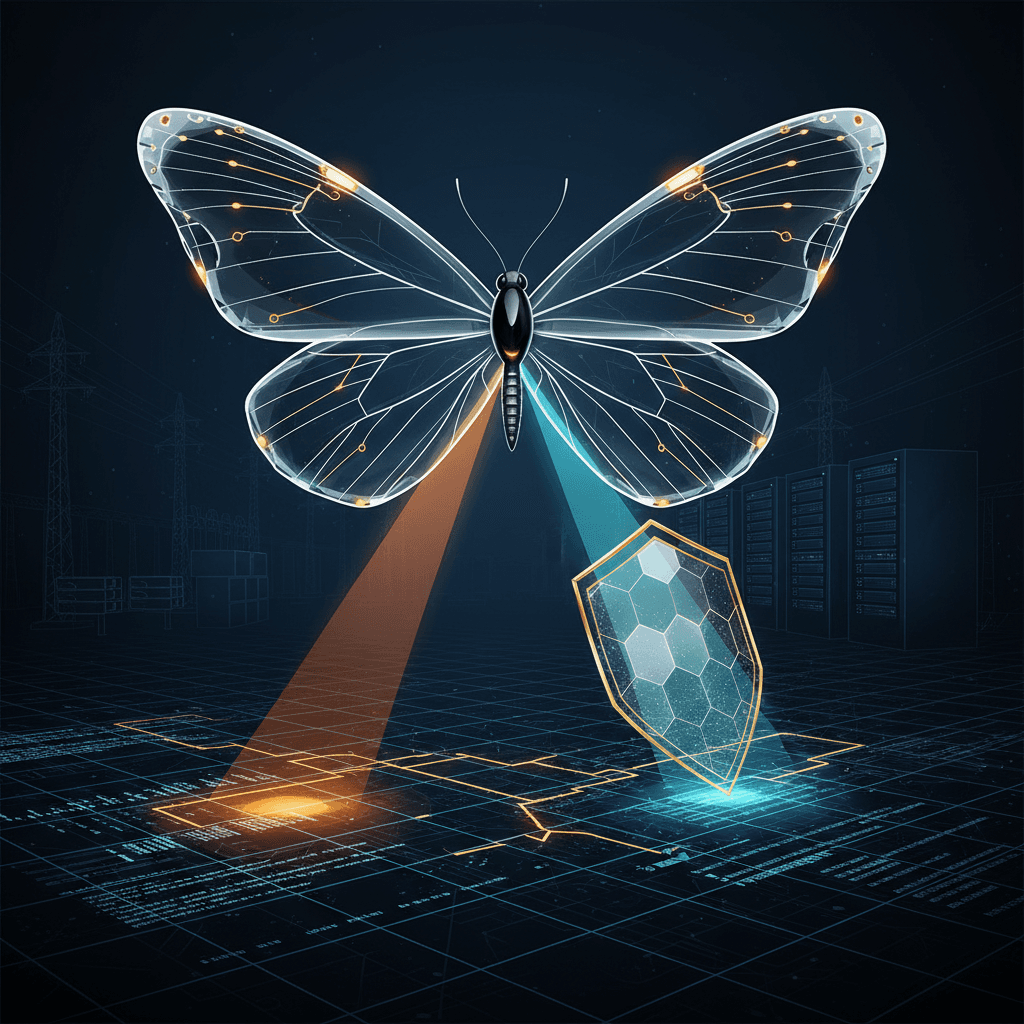
In a major bid to secure the global digital foundation against artificial intelligence-fueled threats, Anthropic has significantly scaled up its cybersecurity initiative, Project Glasswing, adding approximately 150 new partner organizations across more than 15 countries[1][2]. Operating in a highly controlled environment, these partners utilize Anthropic's restricted, unreleased frontier model, Claude Mythos Preview, to scan some of the world's most critical infrastructure for severe software bugs[1][2]. Early trials of the program have already yielded alarming results, with initial consortium members unearthing over 10,000 high- or critical-severity vulnerabilities in major operating systems, web browsers, and core protocols[1][3]. However, the aggressive scaling of Project Glasswing comes as Anthropic simultaneously steps up its commercial operations, launching Claude Security for corporate enterprises[4][5]. This dual-track strategy has triggered a debate within the technology sector, as the artificial intelligence leader stands to profit from both sides of the cybersecurity equation—on one hand proving the terrifying ease with which artificial intelligence can expose critical software flaws, and on the other, selling the automated software to fix them.
Project Glasswing was first conceived as a defensive response to the overwhelming capabilities observed in Claude Mythos Preview[6][7]. Unlike standard code assistants, Mythos represents a major architectural leap in autonomous hacking, displaying a sophisticated ability to construct complex exploit chains by stitching together multiple minor software flaws to gain complete control over target systems[8]. Because of these powerful offensive capabilities and the lack of robust, foolproof safeguards against misuse, Anthropic has refused to release the model to the public[7][9]. Instead, Project Glasswing was launched with a select circle of technology giants and hyperscalers, including Amazon Web Services, Apple, Cisco, CrowdStrike, Google, JPMorgan Chase, Microsoft, NVIDIA, and Palo Alto Networks[10][6]. The newly announced expansion of the initiative marks a dramatic shift in scope, moving beyond Big Tech into sectors traditionally vulnerable to destructive cyberattacks, such as public power utilities, municipal water supplies, healthcare providers, telecommunications networks, and hardware manufacturers[1][7][2]. These new partners must pass Anthropic's stringent security clearance before gaining gated access to the model, reflecting the national security implications of deploying such advanced dual-use technology[1][7][2].
The volume and speed of the vulnerabilities exposed by Claude Mythos during its early rollout have rattled the traditional cybersecurity industry[3]. During initial testing, Cloudflare pointed the preview model at fifty of its internal repositories, discovering 2,000 bugs, 400 of which were rated as high or critical severity, with a false-positive rate that outperformed human security analysts[8][3]. Mozilla similarly used the system to find and patch 271 vulnerabilities in the Firefox browser, which represents a tenfold increase in discovery compared to scans run with earlier artificial intelligence versions[3]. Beyond corporate codebases, Anthropic used the model to autonomously scan over 1,000 open-source repositories, flagging 23,019 potential vulnerabilities, of which over 6,200 were deemed critical or high severity[3]. Independent human verification of these findings confirmed an unprecedented 90 percent accuracy rate[3]. These numbers prove that artificial intelligence has crossed a threshold where it can identify structural logic errors and deep architectural flaws faster and more accurately than all but the most elite human security researchers[6][7].
While the defensive value of discovering zero-day vulnerabilities is clear, the sheer volume of findings has created an acute operational bottleneck[2][11]. Organizations are discovering that the limiting factor in software security is no longer finding bugs, but the human labor required to verify, disclose, and patch them[2][11]. This disparity is particularly stark in the open-source software ecosystem, which forms the invisible scaffolding for nearly all modern enterprise software[1][11]. While well-funded multinational corporations can deploy dedicated engineering teams to handle the influx of security alerts, solo developers and volunteers who maintain open-source packages are finding themselves buried under a mountain of automated vulnerability reports[11]. To address this widening gap, Anthropic has committed one hundred million dollars in usage credits for its preview model alongside four million dollars in direct donations to open-source security organizations[6]. Nevertheless, security experts warn that this maintainer tax could lead to widespread developer burnout, as the volunteer community struggles to keep pace with the machine-speed discoveries of generative models[11].
As the software world grapples with the deluge of security flaws identified by Project Glasswing, Anthropic has moved quickly to commercialize the solution[4][5]. The company has launched Claude Security in public beta for users on its premium enterprise plans[12][13]. Unlike the restricted Mythos model, Claude Security runs on the generally available Opus model and is marketed as an agentic tool designed to automate the remediation process[12][14][15]. It works by scanning repositories, tracing data flows across files, validating its own findings through multi-stage self-checks to eliminate false positives, and proposing targeted software patches that developers can apply with a single click[12][16][17]. By positioning Claude Security as the definitive answer to the massive vulnerability backlog, Anthropic has effectively monetized the crisis[5]. Analysts point out that by driving the industry-wide realization that software posturing is radically obsolete against artificial intelligence, Anthropic has created an insatiable demand for its own commercial, automated defense tools[2][5].
This calculated convergence of public-safety initiatives and aggressive product commercialization aligns closely with Anthropic's broader corporate ambitions[5]. The expansion of Project Glasswing was announced immediately following the company's confidential filing of a draft S-1 statement with the Securities and Exchange Commission, a crucial step toward an anticipated public listing[18][5]. Bolstered by a massive Series H funding round that valued the startup at nearly one trillion dollars, and boasting an annualized revenue run rate of over forty-seven billion dollars, Anthropic is eager to prove its enterprise dominance to public market investors[5]. Framing its advanced models not merely as text generators but as indispensable, multi-billion-dollar defensive shields for national infrastructure allows the firm to construct a highly defensive business moat[5]. By anchoring its technology within critical global supply chains, Anthropic secures a highly sticky, recurring enterprise revenue stream that justifies its sky-high valuation[5].
Ultimately, the expansion of Project Glasswing highlights a permanent transition in the global cybersecurity landscape[2][19]. The traditional methods of securing systems through periodic manual audits and rule-based software scanners are no longer viable in an era where frontier artificial intelligence models can systematically break and chain together code logic within minutes[8][16][17]. While the collaborative efforts of the Glasswing consortium represent an essential step toward hardening critical software, they also signal that the speed of modern cyber warfare is accelerating beyond human scale[2][9]. To survive this shift, organizations will have no choice but to adopt autonomous, artificial intelligence-native defense mechanisms, cementing a future where software security is fought entirely at machine speed, and where the developers of these advanced models hold the keys to both the sword and the shield[1][2].
Sources
[2]
[7]
[10]
[11]
[12]
[13]
[14]
[16]
[17]
[18]
[19]