
Adobe Redefines Creativity: Photoshop, Acrobat Now Powered by ChatGPT Prompts
Adobe brings Photoshop's creative power to ChatGPT, democratizing professional tools and workflows for millions of users.
December 10, 2025
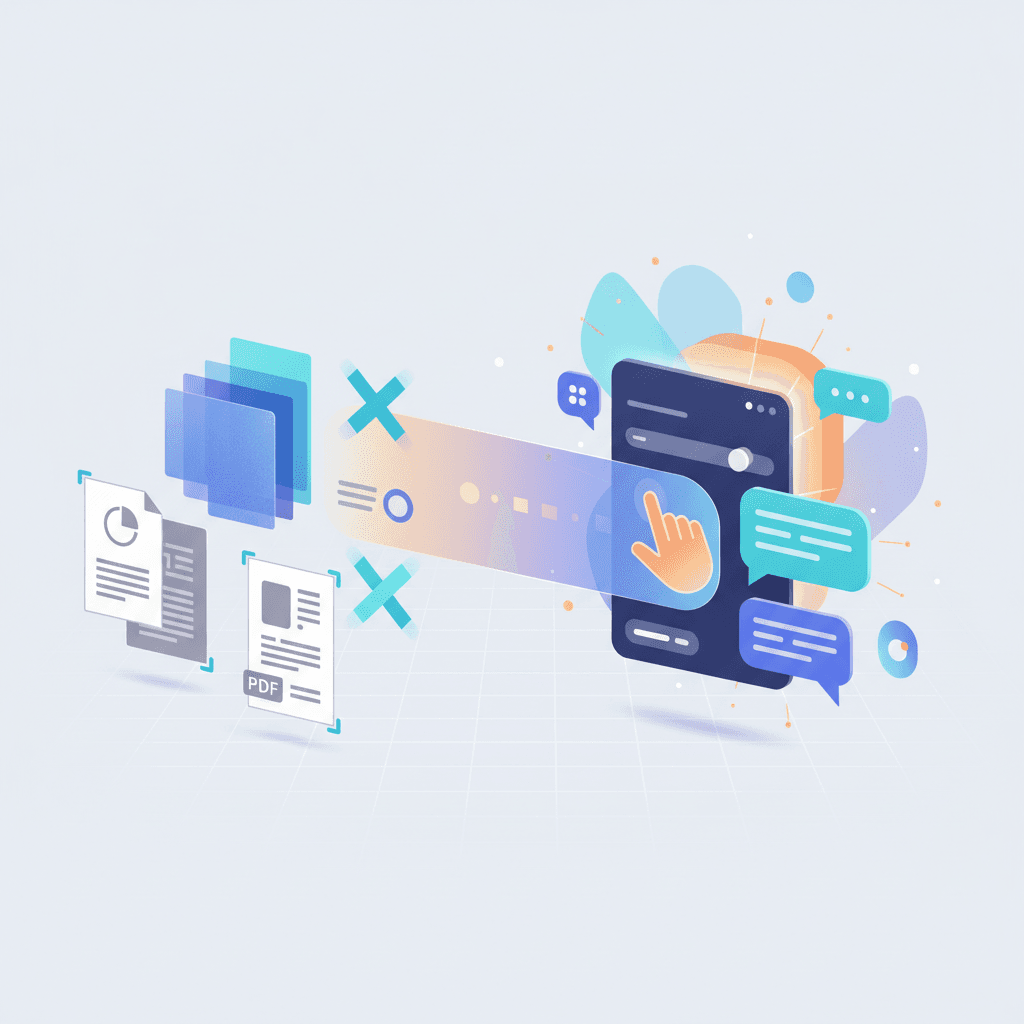
In a landmark move that blurs the lines between conversational AI and professional creative work, Adobe has integrated core features of its flagship software—Photoshop, Express, and Acrobat—directly into OpenAI's ChatGPT. This strategic partnership makes a suite of powerful creative and document management tools available for free to ChatGPT's vast user base, allowing them to edit images, design graphics, and manage PDF documents using simple, natural language prompts. The integration signals a significant shift in how creative software is accessed and utilized, moving complex functionalities from dedicated applications into the conversational interfaces that are becoming central to daily digital life. This collaboration is positioned not merely as a new feature, but as a fundamental rethinking of creative workflows, aiming to democratize professional-grade tools for hundreds of millions of users.[1][2][3][4][5]
The new capabilities allow any ChatGPT user to perform tasks that previously required familiarity with Adobe's powerful, and sometimes intimidating, software.[6][4] A user can now upload an image and conversationally ask Photoshop to perform edits like blurring a background, adjusting brightness and contrast, or applying creative effects such as "glitch" or "glow".[4][7][8][9] The system guides the user through the process, often presenting intuitive controls like sliders for fine-tuning adjustments directly within the chat interface.[2][10][8] Similarly, the Adobe Express integration allows users to create flyers, social media posts, and invitations by describing their needs.[7][9] ChatGPT can browse Express's extensive library of professional templates, populate them with text, replace images, and even animate designs based on conversational feedback.[11][10][12][13] For document workflows, the Acrobat integration empowers users to merge, compress, and convert files to PDF, as well as extract text and tables or redact sensitive information, all without leaving the chat.[11][3][10][7]
This partnership represents a significant step forward in Adobe's "agentic AI" strategy, which envisions AI not just as a content generator, but as an intelligent assistant capable of understanding user intent and executing complex, multi-step tasks.[14][15][16] By embedding its tools within ChatGPT, Adobe is leveraging an AI that can act on a user's behalf, translating conversational requests into specific software actions.[17] This approach aims to lower the barrier to entry for creative work, making powerful tools accessible to novices while simultaneously offering a new, expedited workflow for professionals who can use the chat interface for quick edits, mockups, and brainstorming.[11][3] For more complex projects, the integration provides a seamless transition from ChatGPT into the full native Adobe applications, preserving all the edits made in the chat.[2][4][8] The technology facilitating this connection is built on OpenAI's Apps SDK and Adobe's Model Context Protocol (MCP), which acts as a bridge, allowing the large language model to communicate effectively with Adobe's tools and developer resources.[1][4][18][19]
Strategically, this move is a powerful play for user acquisition and relevance in a rapidly evolving market.[2] By placing its core products inside a platform with a reported 800 million weekly active users, Adobe is tapping into a massive new distribution channel to introduce its ecosystem to a new generation of creators.[20][1][4][5] The integration also serves as a direct competitive response to platforms like Canva, which already has a presence in ChatGPT, and other AI-native image generators such as Midjourney.[2][21][22][23] Adobe's key differentiator is the professional-grade power under the hood; a simple edit in chat can be the starting point for a high-fidelity project in the full Creative Cloud suite.[20] This partnership also reinforces Adobe’s emphasis on ethically sourced AI. The image editing and generation capabilities are powered by Adobe Firefly, the company's family of AI models trained on its own licensed Adobe Stock library and public domain content.[24][3][25] This "commercially safe" approach is a direct counterpoint to the legal challenges faced by rivals over copyright infringement, with Adobe even offering to cover legal bills for enterprise customers facing such claims over Firefly-generated content.[26][27][6][28][29]
The convergence of Adobe's creative engines with ChatGPT's conversational prowess marks a pivotal moment for both the AI and creative software industries. It points toward a future where sophisticated software capabilities are abstracted away behind natural language interfaces, making technology more accessible and intuitive.[3] For Adobe, it is a bold strategy to meet users where they are, transforming a potential existential threat from generative AI into a massive opportunity for growth and market expansion.[20][2] For OpenAI, the inclusion of industry-standard tools like Photoshop bolsters its ambition to position ChatGPT as a central operating system—an "everything app" where work, communication, and creativity seamlessly intersect.[9] As these integrations deepen and evolve, they are set to redefine expectations for how both casual and professional users interact with digital tools, making the creative process more of a dialogue and less of a technical procedure.
Sources
[3]
[8]
[12]
[14]
[15]
[16]
[17]
[18]
[19]
[20]
[21]
[22]
[23]
[24]
[25]
[26]
[27]
[28]