
Roomba Pioneer iRobot Collapses into Bankruptcy; Chinese Supplier Takes Over
The American robotics pioneer collapses, acquired by its Chinese supplier in a stark lesson on innovation and global shifts.
December 15, 2025
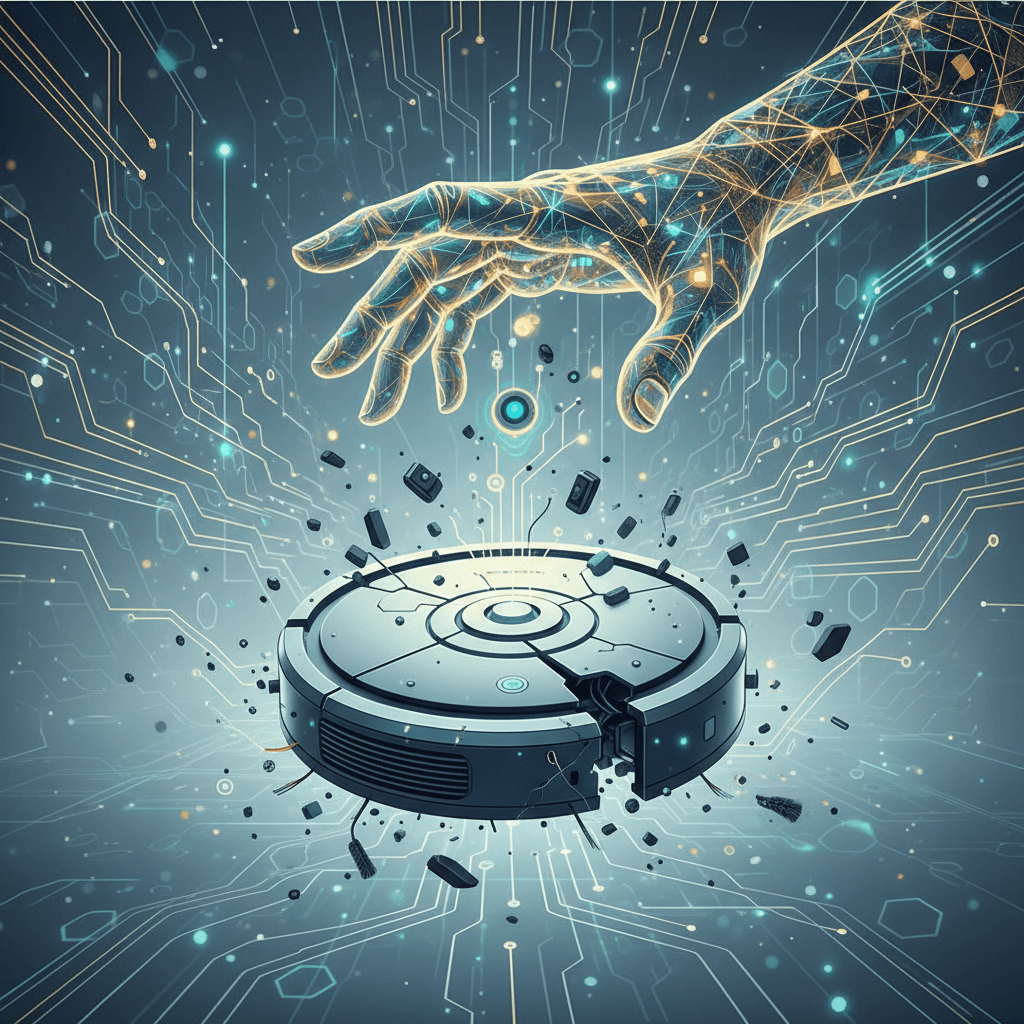
In a stunning collapse of a once-dominant brand, iRobot, the pioneer of the robotic vacuum cleaner, has filed for Chapter 11 bankruptcy and announced its intention to be acquired by its primary Chinese supplier, Shenzhen PICEA Robotics. The move marks a dramatic downfall for the American company that brought robotic automation into millions of homes with its iconic Roomba. This development sends shockwaves through the consumer robotics and AI industry, serving as a stark cautionary tale about the perils of complacency, the relentless pace of innovation, and the shifting global landscape of technology manufacturing. The bankruptcy plan, filed in Delaware, will see PICEA take complete ownership of the reorganized company, effectively wiping out all common stock and taking iRobot private.[1][2][3] For consumers, iRobot has assured that operations will continue without disruption to app functionality, customer support, or product availability during the transition, which is expected to be completed by February 2026.[2][4][5]
The seeds of iRobot's demise were sown over several years, a result of a confluence of intense competition, strategic missteps, and external economic pressures. Once the undisputed leader, iRobot saw its market share steadily eroded by a wave of lower-priced and technologically advanced competitors, particularly from Chinese firms like Ecovacs and Roborock.[6][7][8] These rivals were quicker to adopt and innovate on features such as LiDAR navigation and advanced mopping capabilities, while iRobot was perceived as being slow to evolve its core technology.[1] The company's financial woes were compounded by significant external headwinds. A 46% tariff on its vacuums manufactured in Vietnam for the U.S. market added an estimated $23 million in costs in 2025 alone, severely squeezing already thin profit margins.[9][7][10] This financial strain was evident in the company's dwindling cash reserves, which fell to just $24.8 million by the third quarter of 2025, with revenue declining sharply.[11][12][13][4]
A critical blow to the company's stability was the collapse of a planned $1.7 billion acquisition by Amazon in early 2024.[2][9] The deal, which faced significant antitrust scrutiny from European regulators, was seen as a potential lifeline that would have provided iRobot with the financial backing to compete and innovate.[14][15] When the acquisition fell through, Amazon paid a $94 million termination fee, but this was not enough to right the ship.[6] The failure of the Amazon deal left iRobot in a precarious position, forcing it into drastic cost-cutting measures, including significant layoffs that reduced its workforce by more than half and a shift to outsourcing its research and development.[9][15] This ultimately led to its main manufacturer and creditor, PICEA, becoming its new owner after acquiring iRobot's significant debt.[16][10] Under the restructuring agreement, Picea will cancel approximately $264 million in debt, providing the beleaguered company with a more stable financial footing.[9]
The acquisition of this iconic American technology company by its Chinese supplier carries profound implications for the future of the consumer AI and robotics industry. It highlights a broader trend of Chinese manufacturers evolving from simply assembling products to owning the innovation, branding, and intellectual property themselves. PICEA is not just a contract manufacturer; it develops and sells its own line of robotic vacuums, raising questions about the future direction of the Roomba brand.[17][18] The deal could streamline iRobot's supply chain and reduce costs, potentially allowing for renewed investment in innovation.[19] However, it also signals a potential shift away from the software-led, premium engineering identity that iRobot cultivated for years, with some of its more recent models already resembling more generic designs from its new owner's portfolio.[17][20][18] Furthermore, the transfer of ownership to a Chinese entity may reignite concerns over data privacy, given that Roombas collect detailed mapping data from inside users' homes.[6][2] While iRobot's CEO Gary Cohen stated that the combination of iRobot's design and PICEA's manufacturing expertise will equip the company to "shape the next era of smart home robotics," the long-term identity and innovation trajectory of the Roomba remains to be seen.[13]
Ultimately, the fall of iRobot serves as a powerful lesson for the technology sector. It underscores that a pioneering legacy and strong brand recognition are not enough to guarantee survival in a market characterized by rapid technological advancement and fierce global competition. The company's failure to innovate at the pace of its rivals, coupled with external financial pressures, created a perfect storm that led to its bankruptcy.[11][1] As the consumer robotics market continues its projected explosive growth, driven by advancements in AI and automation, iRobot's story will be a critical case study.[11] It demonstrates that the future winners will be those who can balance innovation with affordability and maintain the financial resilience to navigate a complex and ever-changing global landscape. The once-mighty Roomba will continue to clean floors, but it will do so under a new flag, a potent symbol of the dramatic shifts occurring within the world of artificial intelligence and home automation.
Sources
[4]
[6]
[7]
[8]
[10]
[11]
[12]
[14]
[16]
[17]
[19]
[20]