
OpenAI Launches ChatGPT Translate to Blend Translation with Conversational AI
OpenAI's strategic move merges translation utility with generative AI, using conversational dialogue as a high-volume product on-ramp.
January 15, 2026
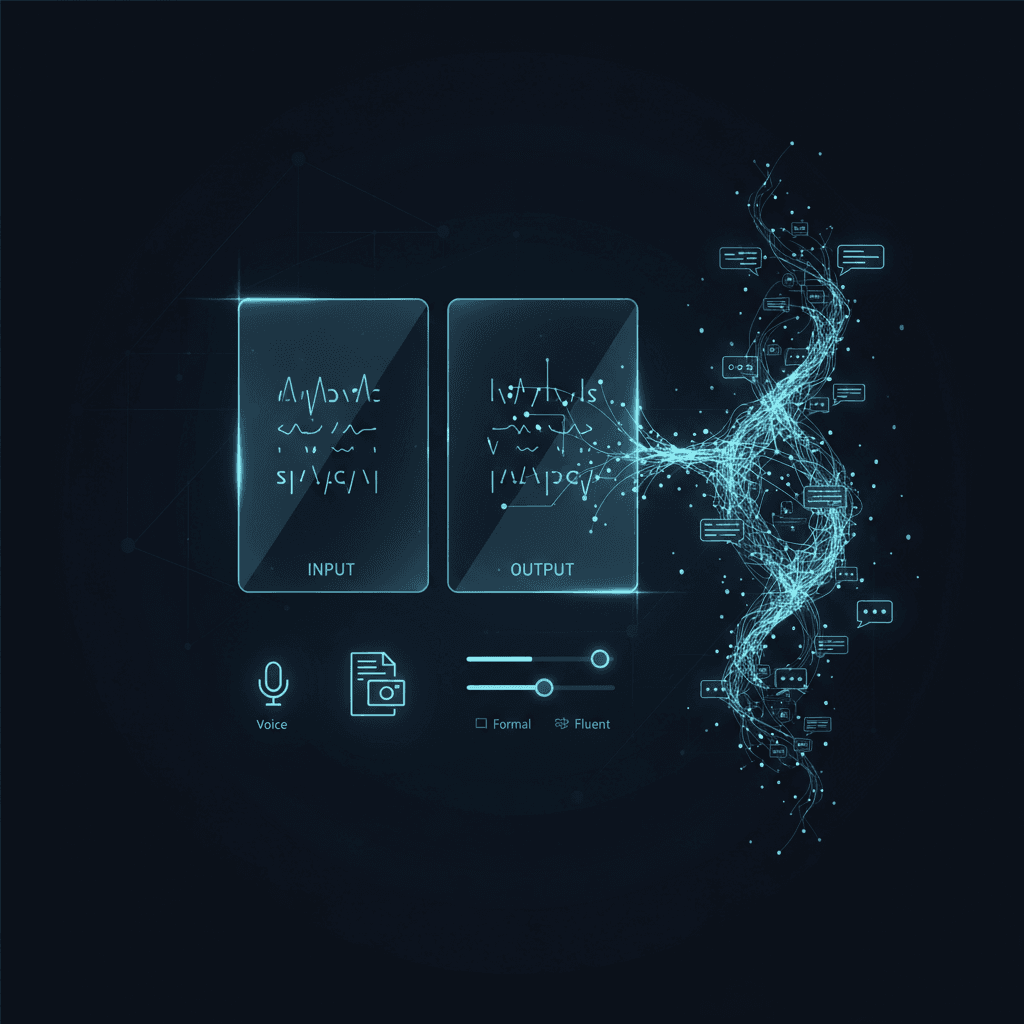
The artificial intelligence landscape is witnessing a subtle but significant maneuver, as OpenAI has quietly introduced a new, standalone translation utility named ChatGPT Translate, available through a dedicated web portal. The tool's debut, unheralded by a major press announcement, places it in direct visual competition with established leaders like Google Translate and DeepL, featuring a minimalist interface with familiar side-by-side text boxes for source and target languages. Despite its conventional look, early observations suggest that the new offering is less a direct, feature-for-feature competitor to existing translation engines and more a strategic gateway designed to introduce users to the advanced conversational capabilities of its underlying large language model.
The interface of ChatGPT Translate supports translation across more than 50 languages and immediately feels intuitive to anyone who has used an online translator, featuring real-time translation and automatic language detection.[1][2] However, the platform quickly reveals its multimodal and conversational DNA, distinguishing it from its predecessors. Users are not limited to typing or pasting text; the tool also supports voice input and the uploading of various files, including images of text such as logos or menus for translation.[3][1][2] This robust translation capability is coupled with an unparalleled level of customization for the output. Unlike traditional tools that provide a singular, optimized translation, ChatGPT Translate allows users to specify the desired tone and style, offering prompts like "Translate this and make it sound more fluent," "business formal," or "academic style."[3][1][2] This functional depth hints at the sophisticated AI powering the translations, which leverages a generative pre-trained model to preserve the deep meaning and context of the original text, moving beyond simple word-for-word translation.[3][2]
The most profound departure from the established paradigm of online translation lies in the feature of conversational refinement, confirming the tool’s position as a gateway to the chatbot ecosystem. After an initial translation is rendered, the user can continue the dialogue, asking follow-up questions, requesting rephrasing of specific sections, or even switching the language mid-chat without having to restart the entire process.[3][1] The suggested tone-refinement prompts, when selected, often transition the user directly to the main ChatGPT interface, where the full power of the chatbot can be leveraged for detailed explanations of grammar, idioms, and usage.[4][1] This strategic pivot transforms the one-shot utility of a translation widget into an interactive language learning and refinement session. For the user, this means the end of a translation is merely the beginning of an engagement with the AI, a model that significantly boosts user retention within OpenAI’s broader product suite. This approach also allows the underlying technology to produce more contextualized translations than traditional engines, even though some initial reviews suggest that for certain European languages, the output of DeepL—a tool explicitly trained for translation—can still feel more natural and fluid.[5][6][7] Conversely, general ChatGPT translation has been lauded for its flexibility and ability to handle more complex or long-form tasks, often being considered a superior choice for crafting consumer-facing texts that require nuance, even if some tests find the language to be occasionally clunky.[4][5][6]
The introduction of ChatGPT Translate marks a definitive step in OpenAI's transformation from a research-focused lab to a consumer product organization.[3][2] By offering this advanced, multi-modal translation capability for free, without requiring a paid subscription, OpenAI is strategically placing its cutting-edge AI directly into the hands of a massive global user base, effectively challenging the long-standing dominance of Google Translate in the language services sector.[3][2] This move is also a clear differentiator in the competitive AI market, contrasting sharply with rivals like Anthropic, which have largely maintained a focus on enterprise and developer-centric solutions.[3][2] While the free version of the tool is readily accessible, the integration with the full ChatGPT platform suggests a mechanism to upsell users toward premium features for more intensive or specialized language work. Industry observers note that while traditional systems like Google and Microsoft are often still recommended for highly technical or specialized translation projects, OpenAI’s ability to preserve the intended meaning and offer conversational refinement positions it strongly for the mass consumer market and for creative or marketing-oriented content.[8] The tool’s quiet launch, paired with its advanced conversational features, signals an intent to redefine the user expectation for utility-based AI tools, merging them with the interactive power of a generative chatbot. This convergence strategy ensures that the translation function acts as a high-volume, low-friction on-ramp to the core OpenAI platform, cementing the company's foothold in a critical segment of everyday internet use.[3][2]