
Deutsche Telekom replaces robots with hyper-realistic AI voices from ElevenLabs for customer service overhaul.
Europe’s largest telecom replaces robotic IVR with human-like generative AI, setting a new global standard for customer service.
January 14, 2026
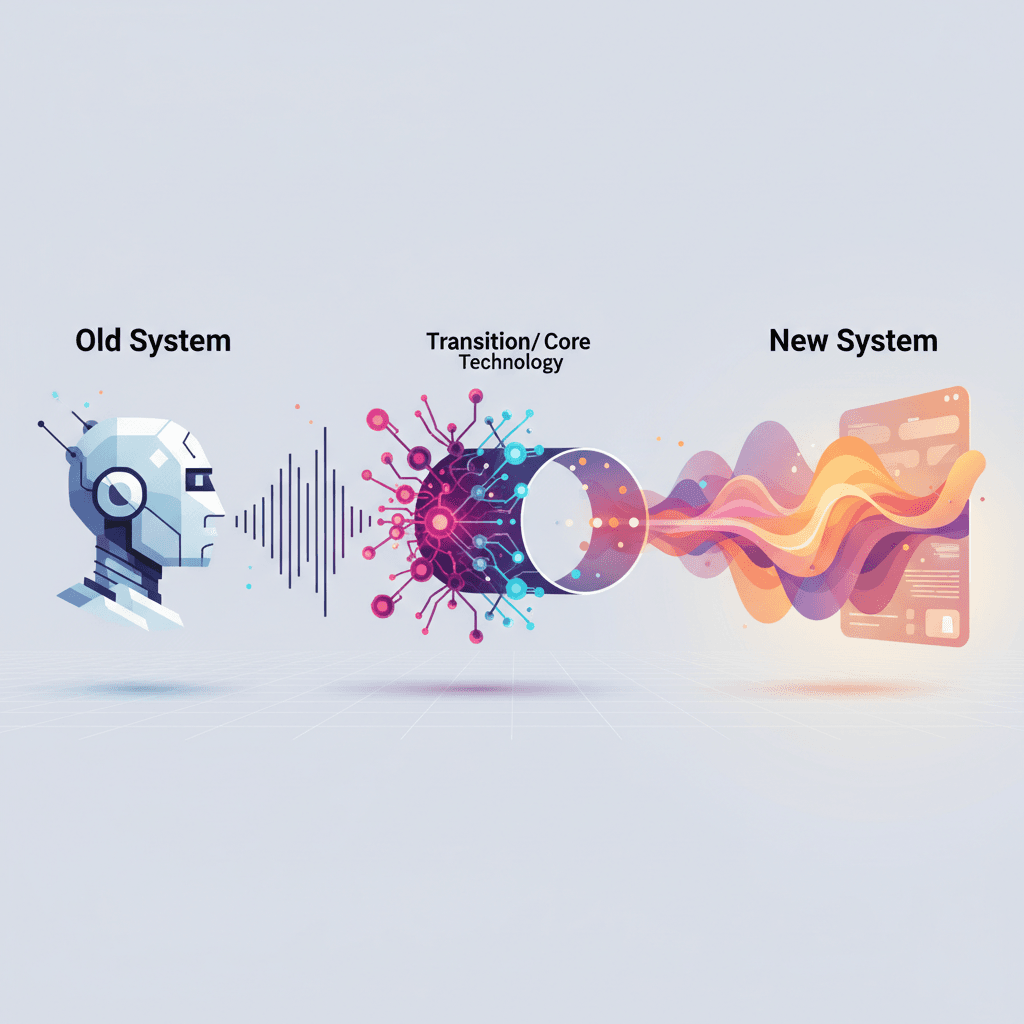
Europe's largest telecommunications provider, Deutsche Telekom, has initiated a transformative overhaul of its customer service operations by integrating cutting-edge generative AI voice agents from the high-profile startup ElevenLabs, signaling a new era for enterprise contact centers. This strategic partnership moves the industry far beyond the era of robotic, scripted Interactive Voice Response (IVR) systems, placing hyper-realistic, human-sounding AI voices directly on the phone line and within digital applications to interact with millions of customers twenty-four hours a day. The move is a core component of Deutsche Telekom’s accelerated digitalization and efficiency strategy, which projects substantial financial savings and efficiency gains through comprehensive automation across the business.[1][2]
The technological backbone of this shift is ElevenLabs’ advanced Conversational AI platform, which utilizes deep learning models to generate speech that is virtually indistinguishable from a human voice, complete with natural intonation, pacing, and the subtle cues of emotion.[3][4][5] This generative AI capability allows the agent to interpret the context and sentiment of a customer's speech and adjust its tone accordingly, enabling a far more personalized and empathetic interaction than previous generations of voice bots.[6][5] Furthermore, the system boasts ultra-low latency, crucial for maintaining fluid, real-time conversations without the awkward, robotic pauses that have historically frustrated users of automated phone systems.[4][7] Initially, the AI voice agents are designed to resolve high-volume, routine queries instantly, such as providing answers on billing details, contract information, account changes, or order tracking, which are tasks ElevenLabs’ internal data suggests their agents successfully resolve in the majority of cases.[3][8][9] When the issues become complex, such as detailed troubleshooting or pricing inquiries, the system is engineered for a seamless handoff, transferring the customer to a human agent with the full conversation context, preventing the customer from needing to repeat themselves.[3][8]
This integration underscores Deutsche Telekom’s commitment to an AI-first future, a strategy further cemented by its strategic investment in ElevenLabs' Series C funding round.[10][11] The German telecommunications giant, which has long viewed voice as a key user interface, sees this partnership as defining the next generation of audio experiences.[10][11] The company’s broader digitalization plan, which also includes the deployment of its "Frag Magenta" (Ask Magenta) assistant and an AI-powered search tool, aims to use both predictive and generative AI across all divisions to streamline operations and enhance customer interfaces.[1][12][13] By focusing on automating routine tasks and deflecting a significant volume of inbound traffic—with the goal of reducing service calls by approximately fifteen percent in Germany between 2023 and 2027—the company aims to liberate human customer service professionals to focus exclusively on complex, high-value, and empathetic problem-solving.[1][2][14] This operational realignment is expected to contribute to the company's projected savings, which are forecast to reach hundreds of millions of Euros by the end of 2027 through increased labor productivity and automation.[1][2]
The adoption of this technology by one of Europe’s largest telecom operators represents a watershed moment for the broader Generative AI industry, validating high-quality voice synthesis for mission-critical enterprise applications. The partnership marks a significant commercial opportunity in the burgeoning voice AI market, which is projected to reach substantial global value in the coming years.[15] This application sets a powerful precedent for other major carriers and enterprises worldwide, suggesting that human-like AI agents will soon become the baseline expectation for real-time customer support in high-stakes, regulated industries like finance, healthcare, and other utilities.[15] However, the rapid advancement of voice cloning technology also foregrounds complex ethical and regulatory considerations.[15][5] The European Union’s AI Act, enacted to ensure ethical deployment, places an emphasis on compliance with data privacy standards like GDPR, necessitating robust guardrails and transparency measures to ensure customers are aware they are interacting with an AI.[15][5] Moreover, as the technology becomes more prevalent, the potential for job displacement among traditional call center agents becomes a key social challenge that companies must navigate, balanced against the promise of reduced wait times and twenty-four-hour service availability for customers.
In essence, Deutsche Telekom's deployment of ElevenLabs' generative voice AI is more than an upgrade to its phone system; it is a foundational pillar of its future operating model. The success of this large-scale deployment will serve as a global case study for whether hyper-realistic conversational AI can deliver on its twin promises: drastically improved operational efficiency for the enterprise and a meaningfully enhanced, more human-like experience for the customer, thereby setting a new industry standard for contact centers around the world.[3][6][15]
Sources
[1]
[9]
[10]
[11]
[12]
[13]
[14]
[15]