
Bristol Myers Squibb Launches First Generative AI Hub for Pharma Content
Generative AI hub in Mumbai pioneers hyper-personalized pharma content, overcoming compliance hurdles to engage HCPs and patients.
December 17, 2025
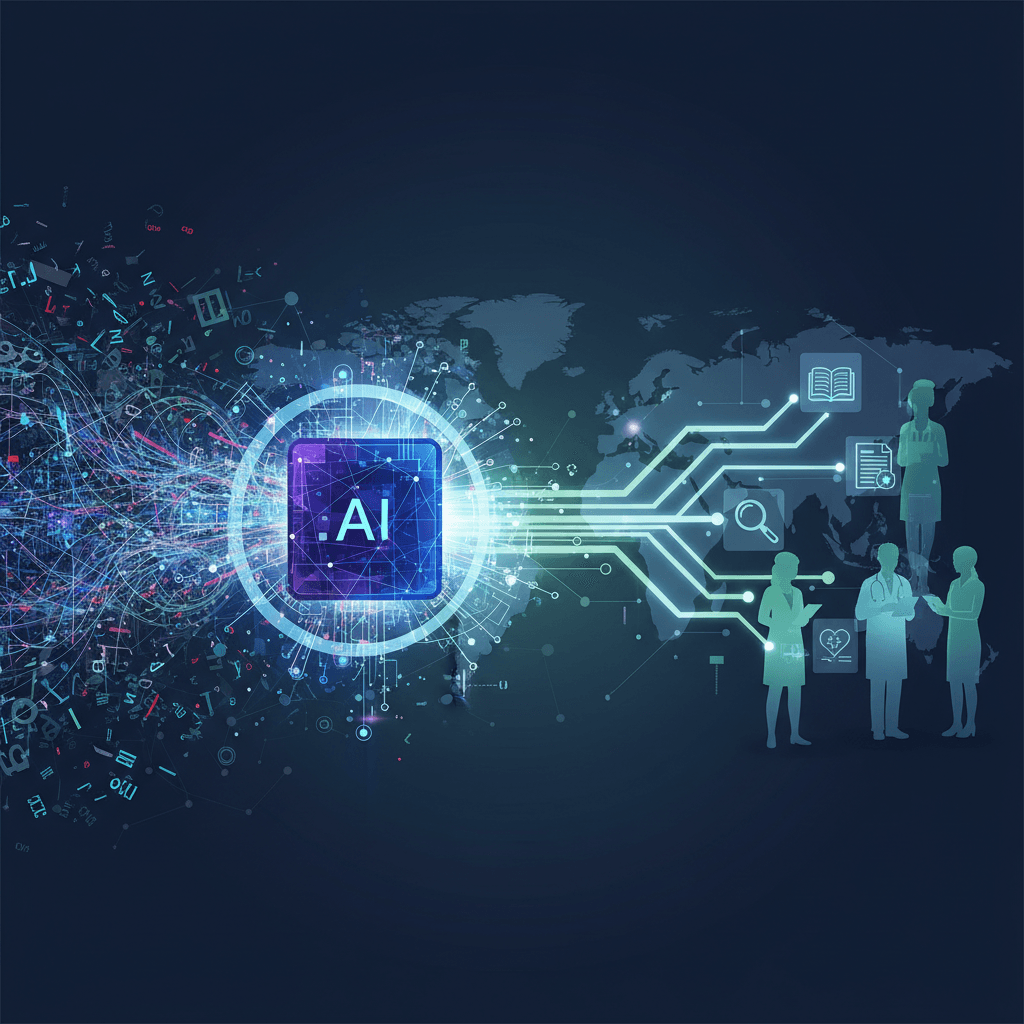
In a significant stride towards integrating artificial intelligence into the life sciences sector, global biopharmaceutical giant Bristol Myers Squibb, in collaboration with professional services firm Accenture, has launched a pioneering generative AI-powered content hub in Mumbai. Dubbed 'Mosaic', this facility represents a first-of-its-kind, end-to-end digital solution designed to revolutionize how the company engages with healthcare professionals and patients. The initiative is a key component of Bristol Myers Squibb's substantial $130 million investment in artificial intelligence initiatives and AI-enabled capabilities within its marketing divisions.[1][2][3][4] The new hub aims to accelerate the company's global commercialization efforts by rapidly identifying the educational needs of physicians and creating timely, personalized, and patient-centric content at an unprecedented scale, signaling a major shift in the pharmaceutical industry's approach to digital transformation.[1][2][3]
The creation of the Mosaic hub is a direct response to the immense and unique pressures confronting modern pharmaceutical marketing. The industry operates within one of the most rigorously regulated environments, where every piece of content must be precise, credible, and supported by validated data to navigate a labyrinth of compliance requirements.[5][6][7] This makes the efficient production of meaningful and useful stories exponentially more challenging than in almost any other sector.[5] Marketers face hurdles in communicating the benefits of complex products in terms that are both compliant and relatable, all while battling a landscape rife with medical misinformation that can erode public trust.[5][6] Furthermore, gaining the attention of time-constrained healthcare professionals requires delivering highly relevant, valuable information through their preferred channels.[8] Traditional content creation workflows, often reliant on linear processes and manual customizations, have become unsustainable in a fast-paced, digital-first healthcare world, creating significant content bottlenecks for marketing teams.[7]
The Mosaic hub is engineered to dismantle these long-standing barriers by leveraging the power of generative AI. This advanced technology will serve as the engine for a modernized and reinvented content development and delivery pipeline.[2] By analyzing vast and complex datasets in real-time, the AI platform can identify the specific educational needs and preferences of healthcare providers.[1][2] This allows Bristol Myers Squibb's marketing teams to move beyond generic communication and toward hyper-personalized engagement.[2][9] The system is designed to generate tailored educational materials, research summaries, and drug information that resonates with the specific specialties and interests of clinicians.[1] For patients, this means content that is better aligned with their individual health journeys and treatment experiences.[1] This AI-driven approach is expected to dramatically increase the speed and efficiency of content creation, ensuring that timely and accurate communications reach healthcare professionals, ultimately enhancing the patient experience.[2] According to industry analyses, generative AI holds the potential to unlock tens of billions of dollars in value for the pharmaceutical sector, primarily through commercial applications like personalized content and improved patient engagement.[10][11]
This ambitious initiative builds upon a deep-rooted, 25-year partnership between Bristol Myers Squibb and Accenture that has steadily evolved from traditional service delivery into a comprehensive digital transformation collaboration.[3][9] The two companies have a history of establishing pioneering centers in India, having previously launched a joint center for pharmacovigilance to handle adverse event data processing and safety reporting.[12][13] That earlier collaboration was also seen as an industry first, creating a seamless extension of Bristol Myers Squibb's operations to improve scalability and productivity.[12][13] The Mosaic hub is the next logical step in this strategic relationship, bringing together a large, diverse team of creatives, technologists, and AI specialists to set a new global standard for marketing content.[2][9] This history of successful collaboration in India underscores the trust and shared vision driving the current AI-forward reinvention of biopharma operations.[9]
The choice of Mumbai as the location for the Mosaic hub is a strategic decision that leverages India's burgeoning status as a global epicenter for digital innovation, AI talent, and life sciences.[9][14] The city is rapidly emerging as a key AI hub, supported by a robust talent pool from premier institutions, a thriving startup ecosystem, and strategic government initiatives.[14][15] Bristol Myers Squibb is tapping into this collaborative spirit and deep digital expertise to develop and scale next-generation solutions for its worldwide operations.[1][2][3] The company already has a significant footprint in the country, including a state-of-the-art facility in Hyderabad that employs over 3,000 professionals across various critical functions.[1][2] By establishing this AI content hub in Mumbai, Bristol Myers Squibb not only reinforces its commitment to India as a strategic center but also positions itself at the forefront of the global AI in healthcare revolution, harnessing local expertise to meet global challenges.[9]
In conclusion, the launch of the Mosaic content hub by Bristol Myers Squibb and Accenture in Mumbai is more than just the opening of a new facility; it represents a landmark moment in the pharmaceutical industry's adoption of artificial intelligence. By directly addressing the core challenges of content creation—speed, personalization, and compliance—the initiative aims to forge a more efficient and effective model for engaging with doctors and patients. This strategic move, underpinned by a multi-million dollar investment and a long-standing partnership, sets a new benchmark for hyper-personalized experiences in the healthcare sector.[9] As generative AI continues to mature, this collaboration will likely serve as a blueprint for how biopharmaceutical companies can integrate innovative technologies to not only achieve commercial success but also to deliver more meaningful and timely information that can ultimately lead to better patient outcomes.