
Adobe Brings Photoshop, Acrobat to 800 Million ChatGPT Users
Adobe's core creative tools now embed in ChatGPT, offering millions an accessible, conversational pathway to digital creation and editing.
December 14, 2025
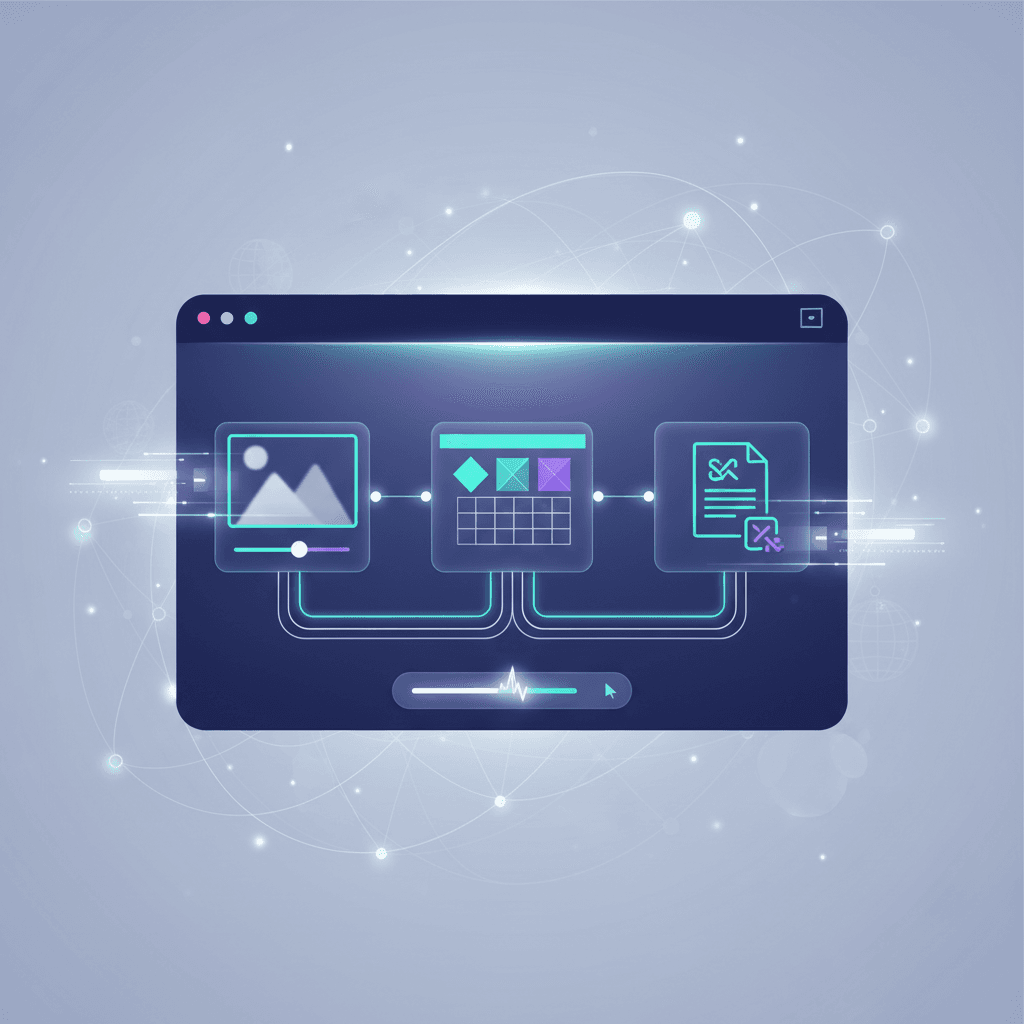
In a significant move that blurs the lines between conversational AI and creative production, Adobe has integrated core functionalities of its flagship products—Photoshop, Acrobat, and Express—directly into the ChatGPT interface.[1][2] This collaboration allows the vast user base of the popular chatbot, estimated at over 800 million weekly users, to edit images, create designs, and manage PDF documents using simple, conversational text prompts, all without leaving the chat window.[3][4][5] The integration, available for free to all ChatGPT users, signals a major strategic pivot for both companies, aiming to democratize creative tools and establish a new, more accessible workflow for everyday tasks.[6][7] By meeting users on a platform they already frequent, Adobe is betting on conversational AI as the new frontier for creativity, potentially transforming how both amateurs and professionals approach digital content creation.[8][9]
The new functionality allows users to invoke the power of Adobe's software by simply naming the application in a prompt.[10] For instance, a user can upload an image and type, "Adobe Photoshop, help me blur the background of this image," which will automatically open a streamlined Photoshop interface within the chat.[11][10] This embedded version provides access to essential editing tools for adjusting brightness, contrast, and exposure, as well as applying creative effects like "Glitch" and "Glow".[4][11] The system is designed to be intuitive; depending on the user's request, ChatGPT surfaces the most relevant sliders and controls, simplifying what can be an intimidatingly complex software for novices.[12][13] Similarly, the Adobe Express integration enables users to generate designs like invitations or social media graphics by describing a theme or purpose.[8][14] ChatGPT can pull from Express's extensive library of professional templates, allowing users to then modify text, swap images, and even add animations directly within the chat.[4] For document-related tasks, the Acrobat integration provides a suite of powerful tools to edit PDFs, extract text and tables, merge multiple files, compress documents for easier sharing, and redact sensitive information, all through conversational commands.[3][10]
This strategic partnership carries profound implications for the artificial intelligence and creative software industries. For Adobe, the move represents a proactive strategy to expand its user base far beyond its traditional core of creative professionals.[9] By offering a free, accessible version of its powerful tools within one of the world's most popular AI platforms, Adobe is creating a massive top-of-funnel opportunity, introducing its ecosystem to hundreds of millions of potential new customers.[15][16] The company sees this not as a replacement for its full-featured native applications but as a bridge.[8] Users can begin a project with a simple prompt in ChatGPT and then seamlessly transition to the full web or desktop apps for more precision and control, preserving their work in the process.[17][2] This approach effectively lowers the steep learning curve often associated with professional-grade software, making creativity more accessible to a broader audience.[13][2] Furthermore, this integration is a key demonstration of Adobe's investment in "agentic AI," where AI acts as an intelligent assistant that can understand user intent and execute complex, multi-step workflows across different applications.[1][18]
From OpenAI's perspective, the collaboration is a significant step in its ambition to transform ChatGPT from a simple chatbot into a comprehensive platform or operating system that integrates the essential tools of daily digital life.[12][19] The inclusion of industry-standard software like Photoshop and Acrobat lends considerable weight and utility to the ChatGPT ecosystem, which already includes partners like Canva and Spotify.[8][12] This move positions ChatGPT as a central hub where users can not only generate ideas and text but also execute complex creative and administrative tasks. It also represents a competitive maneuver against rivals like Google, which are rapidly integrating their own AI models into productivity and creative suites.[11][2] The partnership showcases a hybrid workflow where ChatGPT handles the user's intent through natural language, while Adobe provides the specialized, high-precision tools for execution.[8] While Adobe maintains that it does not train its generative AI models on customer data, it is important to note that users engaging with the Adobe apps within ChatGPT are still subject to OpenAI's data policies.[9]
In conclusion, the direct integration of Adobe's creative and productivity powerhouses into ChatGPT marks a pivotal moment in the evolution of AI-driven workflows. By embedding Photoshop, Express, and Acrobat within a conversational interface, Adobe is making a bold statement about the future of creativity, making its tools more approachable and context-aware than ever before.[5][14] This collaboration not only introduces Adobe's ecosystem to a massive new audience but also significantly enhances the utility of ChatGPT, pushing it closer to becoming an all-encompassing digital assistant.[9][19] As these two industry giants continue to explore the potential of this synergy, the line between generating an idea and bringing it to life is set to become increasingly, and perhaps for millions of users, almost invisibly thin.[20] The success of this initiative will likely accelerate the trend of embedding specialized, professional-grade software within conversational AI platforms, fundamentally reshaping user expectations and workflows across the digital landscape.
Sources
[1]
[6]
[10]
[11]
[12]
[13]
[14]
[15]
[16]
[17]
[18]
[19]