
Anthropic expands Claude Code to turn terminal sessions into live, shareable web pages
New interactive Artifacts translate live terminal sessions into shareable web pages, bridging the communication gap between developers and stakeholders.
June 18, 2026
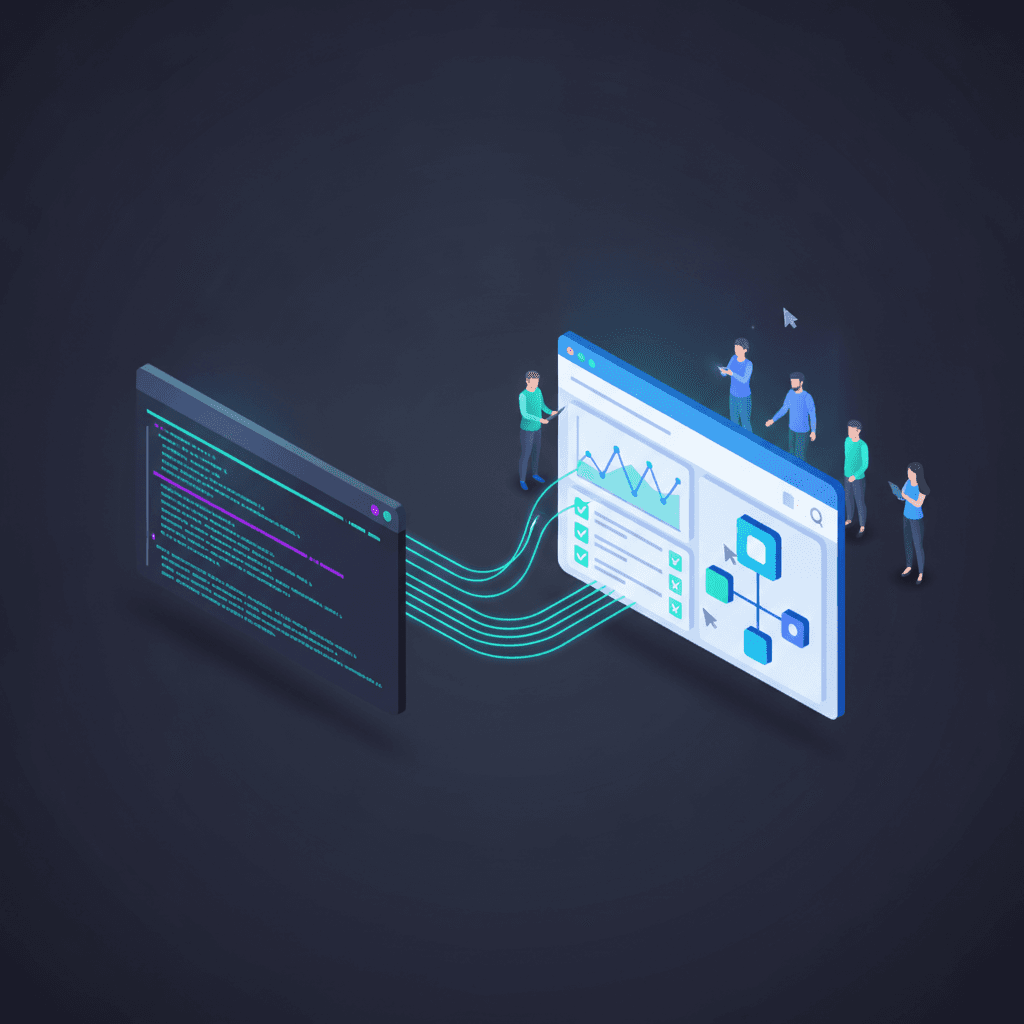
Artificial intelligence safety and research company Anthropic has officially expanded the capabilities of its agentic programming platform, Claude Code, by introducing interactive Artifacts to the command-line development environment[1][2][3]. This update allows software engineering teams to translate complex, ongoing coding sessions into live, shareable web pages that capture active project progress in real time[1][2]. Rather than relying on static progress reports, manual messages, or tedious written explanations, developers using Claude Code can now generate dynamic, interactive documents—such as pull request walkthroughs, system explainers, live dashboards, and release checklists—directly from their terminal sessions[1][2]. This feature represents a fundamental shift in how human engineers, product managers, and artificial intelligence agents collaborate, effectively bridging the communication gap that historically slows down software development cycles[1]. By allowing teams to interact with real-time visual outputs of an active AI session, Anthropic is transitioning the concept of agentic coding from an isolated terminal experience into a shared, transparent organizational resource[1][2].
The core technical engine behind this feature is the deeply integrated context that Claude Code maintains throughout a development session[1][2]. When an engineer initiates a task, such as refactoring a legacy service, investigating an outage, or analyzing months of product usage data, Claude Code relies on a comprehensive understanding of the developer's entire workspace[1][2]. This includes not only the local codebase and version history, but also connected tools, APIs, and the ongoing conversation between the human user and the AI[1][2]. When generating an artifact, the model weaves these disparate threads together seamlessly without requiring the user to build custom data connectors or deploy external hosting infrastructure[1]. A single debugging page, for instance, can compile an active error-rate chart from a connected monitoring system, pinpoint the exact line of code hosting the failing function, outline the logical reasoning for the proposed fix, and track the status of current unit tests[1][2]. This automated fusion of code, telemetry, and qualitative reasoning ensures that every artifact presents an accurate, highly detailed, and holistic view of the project state[1][2].
In contrast to traditional static documentation, which immediately goes stale as soon as code changes, the artifacts generated through Claude Code are living pages that update automatically[1][2]. As the background AI agent continues to execute commands, modify files, or test systems, the changes are published instantly to the active web page[1][2]. Teammates who have the link open will see the page refresh in place the moment updates are published, allowing cross-functional stakeholders to watch a bug being resolved or a feature being built in real time[1][2]. Every successful publish generates a new entry in a detailed version history, all hosted under the same persistent link[1][2]. This allows users to easily track the evolution of a solution, compare current progress against earlier states, and even restore prior versions if a debugging path goes awry[1][2]. Additionally, a dedicated centralized gallery is provided, allowing developers and administrators to seamlessly browse, organize, and manage every artifact that has been created across various work sessions[1][2].
Recognizing the strict security requirements of modern enterprise organizations, Anthropic has engineered these shared pages with robust privacy controls[2]. By default, all artifacts generated via Claude Code remain entirely private to their respective authors[2]. When developers choose to share their work, they can do so directly from the page header via secure, private links[1][2]. Crucially, these artifacts can only be accessed by authenticated members of the creator’s organization and cannot be published to the public web, preventing accidental intellectual property leaks of sensitive codebase architectures[2]. For enterprise IT leaders, the feature includes a comprehensive suite of administrative governance tools[2]. Administrators can manage team access through organization-level toggles, implement role-based scoping to restrict who can generate or view specific files, and establish custom data retention policies[2]. Furthermore, companies can actively monitor usage, export log data, and enforce compliance standards across all shared visual workspaces through a dedicated compliance API[2].
This update marks a significant milestone in the broader artificial intelligence and developer tool industries, signaling a paradigm shift in the role of AI coding assistants[4]. Until recently, most programming agents operated as transactional tools designed to answer questions, generate snippets, or write unit tests in isolation. By integrating shareable, stateful artifacts directly into Claude Code, Anthropic is positioning its model as an active, communicative team member rather than a simple code generator[1][4]. This move directly challenges existing players in the developer productivity space by focusing heavily on the collaborative overhead of software engineering[1]. Often, the most time-consuming part of a developer’s day is not writing the code itself, but communicating status updates, explaining complex technical architecture to non-technical partners, and documenting changes for future audits[1]. By automating the creation of high-fidelity, interactive dashboards and walkthroughs, Anthropic is addressing this human bottleneck directly, allowing engineering teams to spend less time in status meetings and more time focusing on core development[1].
Currently, the artifacts feature is available in beta to organizations subscribed to Claude Team and Enterprise plans, accessible through both the Claude Code command-line interface and the desktop application[2][3]. Users can view and interact with the resulting pages in any standard web browser, making them easily accessible to product managers, designers, and business leaders who may not have terminal access or software engineering backgrounds[2]. As agentic AI models continue to advance in autonomy and complexity, the boundary between software construction and technical communication is becoming increasingly blurred[5]. Anthropic's latest integration demonstrates that the future of software development lies not just in writing better code faster, but in utilizing artificial intelligence to create a more transparent, highly collaborative, and intuitive engineering ecosystem[1]. By transforming raw terminal logs into interactive web experiences, this feature sets a new benchmark for how enterprises will manage, track, and execute software projects in the era of agentic automation[1][2].